Clearing Clutter: 6 Dos and Don'ts of Decluttering Your Home

In the hustle and bustle of daily life, it's all too easy for clutter to accumulate in your home. From cluttered countertops to overflowing closets, the disarray can quickly pile up and become overwhelming.
You’re probably aware that decluttering will take care of the physical problem. But did you know that the process itself can be incredibly therapeutic? If you’ve been dreading getting stuck into it, know that the benefits will start long before your space is clear and organised. If you’re still feeling hesitant, the tips below will help you reclaim your living space and maintain a clutter-free home.
Do: Start small and set mini-goals
Whether it’s cleaning one messy bench or booking self storage in Melbourne, easily achievable mini-goals can make decluttering less daunting. As you tick these small tasks off your to-do list, they’ll give you a sense of progress, keeping you motivated to continue the decluttering process.
It’s crucial that your decluttering schedule fits your lifestyle. So don’t stress if all you have time for is 15 minutes a day. Consistency is key here – those small chunks of time will lead to significant results if you keep it up.
Don’t: Rush or throw things away on impulse
Even if you have more than 15 minutes a day to allocate to decluttering, it's important to avoid rushing. Hasty decisions may lead to regrets, so take the time to carefully assess each item and consider its usefulness and sentimental value.
To strike the right balance, separate items into keep, donate, sell, unsure, and recycle piles. If an item is in your “unsure” pile purely for sentimental reasons, consider taking a photo of it so you can hold onto the memories without having to hold onto unnecessary clutter.
Do: Prioritise and organise
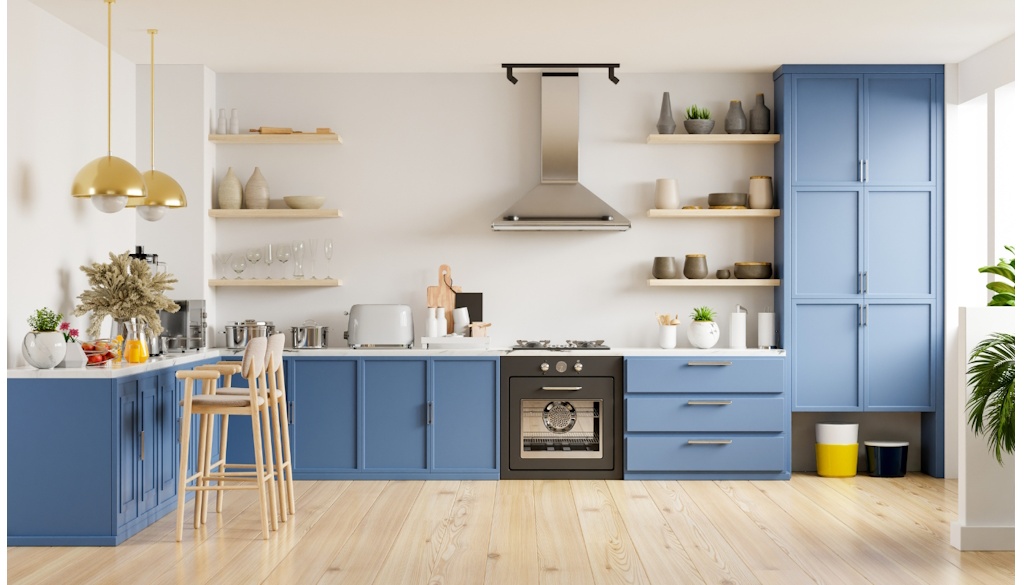
Prioritise any areas that are causing you the most distress. This could mean clearing out your bedroom first so it can go back to being a peaceful sanctuary. Or it could mean tackling your kitchen or living room so you feel comfortable having guests over.
As you declutter, focus on organising each space in a way that makes sense to you. Invest in storage solutions that are as practical as they are aesthetically pleasing. Think baskets, shelves, drawer dividers, and perhaps even hanging storage.
Don’t: Leave out your loved ones
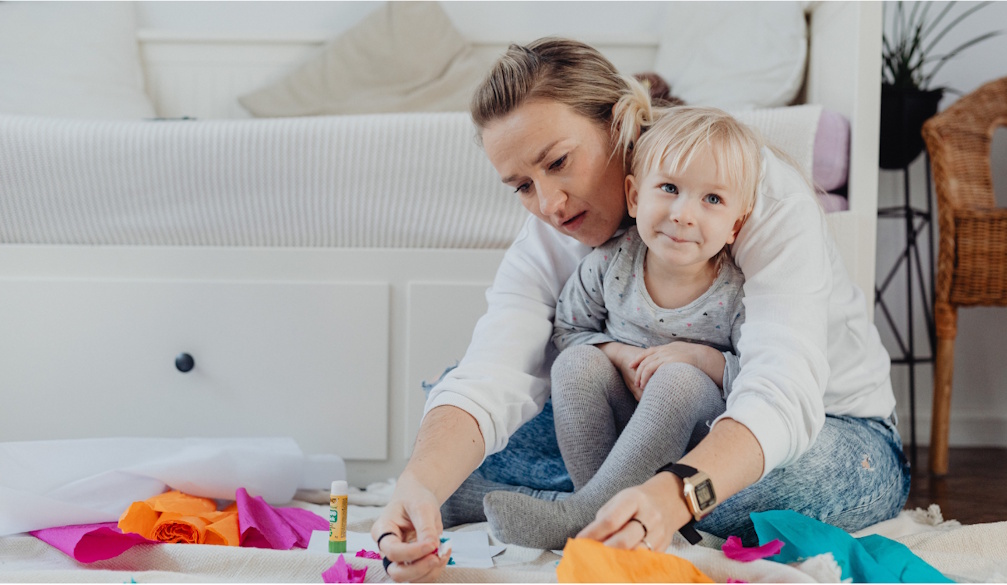
Engaging the entire family not only distributes the workload but also promotes a sense of ownership and responsibility for the home's organisation. It may seem like a chore at first, but you can turn it into a fun and collaborative activity that brings everyone together.
Do: Look for sustainable solutions
Recycle or donate any items that are in good condition but no longer serve you. Many charities and organisations in Australia gladly accept donations of clothing, household items, and furniture. By making conscious choices about disposal, you can reduce the environmental impact of your decluttering project while supporting your local community.
Don’t: Let the clutter creep back in
Make it a habit to regularly assess your belongings and identify items that no longer serve a purpose or bring joy. Adopt a "one in, one out" rule, where for every new item you bring into your home, you commit to letting one thing go. This practice ensures you stay mindful when shopping, which will benefit your bank account as much as your clutter-free home.
Decluttering is a transformative process that rewards you with a more organized and harmonious living space. Follow the tips above to get started, and remember that decluttering is about more than just clearing physical space. It’s also about nurturing a sense of well-being and balance in your daily life.