Moving House in Australia: Practical Ways to Reduce Costs and Stress
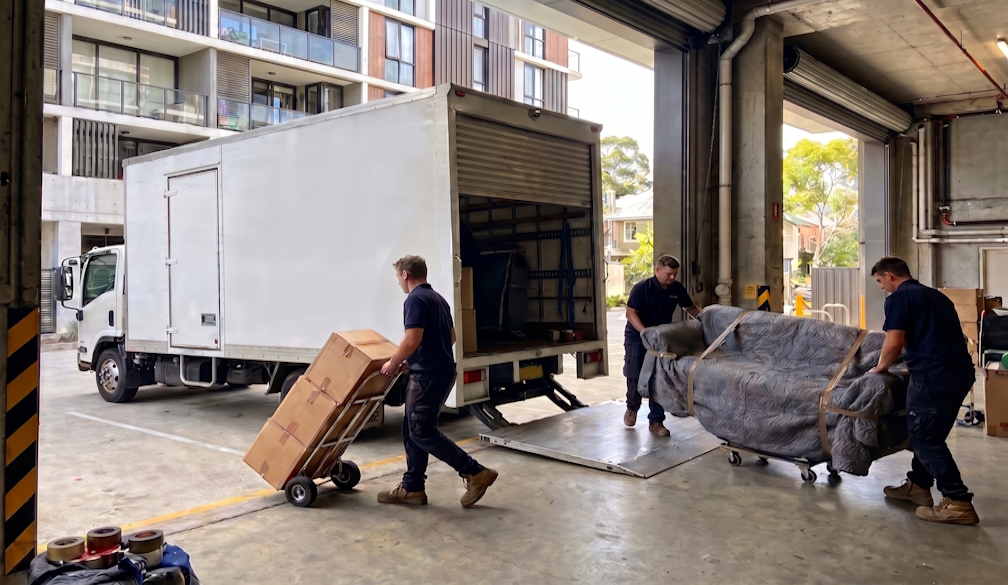
Moving house is a major undertaking for Australian households. Whether relocating to a larger property, downsizing after retirement or moving to a new suburb for work, the process involves more than transporting furniture from one address to another. Planning, budgeting and choosing the right services can make a significant difference to the overall experience.
With careful preparation, households can avoid unnecessary expenses, protect their belongings and make the transition to a new home considerably smoother.
Understand the Costs Before Moving Day
The cost of moving depends on several factors, including the distance between properties, the volume of furniture, accessibility and the level of assistance required. A small apartment move may involve fewer belongings, while a larger family home can require additional labour, packing materials and transport capacity.
Other expenses may include temporary storage, cleaning, utility connections, parking arrangements and the purchase of packing supplies. Homeowners may also need to coordinate moving dates with property settlements, while renters should consider the possibility of overlapping rental periods.
Creating a realistic moving budget early allows households to account for these expenses rather than dealing with unexpected costs at the last minute.
Compare Removalist Quotes Carefully
When comparing removalist services, it is important to look beyond the headline price. Ask whether the quote includes labour, travel time, fuel charges, packing assistance and any additional fees associated with difficult access.
Apartment buildings can present particular challenges, especially when lifts, loading zones or restricted moving hours are involved. Providing accurate information about both properties helps removalists estimate the work required more effectively.
Households planning a relocation can consider experienced Sydney removalists from BBC Removals when researching residential moving services. Comparing written quotes, service inclusions and communication can help customers determine which provider best suits their requirements.
Before confirming a booking, review the terms and conditions and clarify what protection, if any, applies to belongings during transit.
Declutter Before Packing
Moving house provides an opportunity to reassess household possessions. Furniture that no longer fits, unused appliances, old clothing and accumulated storage items can increase the time and effort required to move.
Selling usable items, donating suitable goods or disposing of unwanted belongings responsibly can reduce the volume of possessions being transported. It can also make unpacking easier and help create a more organised living space.
Start with garages, spare rooms and storage cupboards several weeks before moving day. Leaving everything until the final weekend can create unnecessary pressure.
Pack Strategically and Protect Your Belongings
Good packing practices help reduce the risk of damage and make unpacking more efficient. Use sturdy boxes, label them by destination room and keep heavier items in smaller containers. Fragile items, including glassware, mirrors and electronics, need appropriate protective materials.
Furniture should be prepared according to its size and construction. Where dismantling is necessary, keep screws and fittings in labelled bags so that reassembly is straightforward.
Important documents, medication, jewellery and valuable personal items should be kept separate from general household goods. An essentials bag containing toiletries, chargers, basic cleaning supplies and a change of clothes can also make the first night in a new home more comfortable.
Plan the Logistics in Advance
Access and timing can influence how smoothly a move proceeds. Apartment residents should confirm lift bookings, loading-zone availability and building management requirements. Households should ensure that driveways and pathways are clear and that the moving vehicle can park safely.
It is also sensible to confirm key collection arrangements and allow sufficient time between leaving the old property and accessing the new one.
Booking a removalist in advance can provide greater flexibility, particularly during weekends, school holidays and busy property settlement periods.
Prepare for Life in Your New Home
The work does not end when the furniture arrives. Electricity, internet and other essential services should be arranged ahead of time wherever possible. Updating your address with banks, insurers, government agencies and service providers can help prevent administrative problems after the move.
Rather than unpacking everything immediately, prioritise beds, bathroom essentials and basic kitchen equipment. Working through one room at a time makes it easier to establish routines without feeling overwhelmed.
A More Organised Approach to Moving
A successful relocation starts with realistic expectations and early preparation. By reducing unnecessary belongings, comparing removalist quotes, packing carefully and confirming access arrangements, Australian households can make better use of their time and budget.
Moving house will always involve some disruption, but a structured approach can reduce avoidable stress and help families focus on the opportunities that come with a new home.