Why the Shoe Matters as Much as the Insole
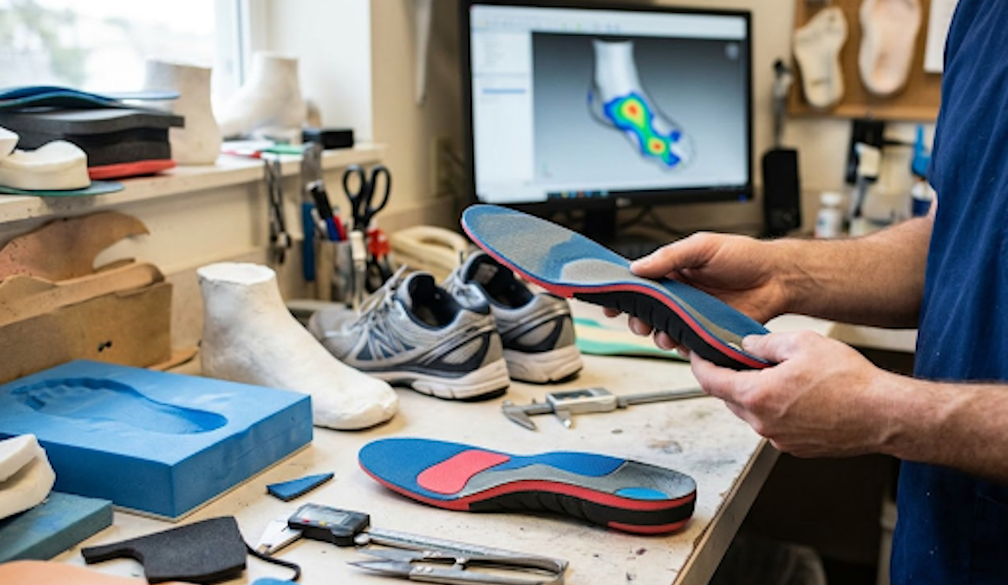
An insole is only as workable as the shoe it sits in. Shoes are built with a fixed amount of space inside, and adding a device to that space changes how the whole shoe fits. A pair that felt comfortable before can feel tight afterwards, which is one reason insoles sometimes end up in a drawer. Thinking about the shoe first is a small step that makes any insole easier to live with.
What Changes When an Insole Goes In
An insole takes up room, usually under the foot and sometimes along the arch and heel. That reduces the depth inside the shoe, and depth matters most at the toes. The front of a shoe needs to be deep enough that it does not press on the tops of the toes, otherwise corns can develop. For people using insoles, the ideal shoe has a removable liner, and where the liner cannot be taken out, the shoe needs plenty of depth to leave room for the insole. That is the guidance from Guy's and St Thomas' NHS Foundation Trust.
It is worth knowing early for anyone considering orthotics Gold Coast as a next step for ongoing foot discomfort. An appointment is a good moment to ask about footwear as well as the device itself, and to bring along the pair worn most days so the practitioner can see what the insole will actually be sitting in.
Features Worth Looking For
A removable insole is the first one, because taking it out frees up space for the device. Adjustable fastening, such as laces or Velcro, is the next. It can be loosened to give the insole room and tightened again for a snug fit, and it holds the shoe on at the arch rather than leaving the toes to grip.
A firm heel helps keep the foot in place, and a sole that is firm through the middle of the shoe but flexible at the ball of the foot is a common description of a supportive everyday shoe. These are general features rather than a specification for any one person.
Checking the Fit Properly
The most useful habit is to try shoes on with the insoles inside, not to judge the shoe on its own and hope the device will fit later.
A few other checks apply to any shoe purchase. Wear the type of socks or tights normally worn with the shoe. If feet tend to swell, shop at the end of the day, when they are at their largest. Leave about 1 cm between the end of the longest toe and the end of the shoe. If a shoe does not feel right in the shop, do not count on breaking it in, and wear new shoes indoors on carpet first so they can still be returned if they turn out to be unsuitable.
Shoes That Make It Harder
Some styles are difficult to pair with an insole. Slip-ons and ballet flats, sandals and flip-flops, and soft, floppy shoes all tend to offer little depth or hold. Slip-on shoes that stay on only by gripping tightly around the toes are a particular problem, as are narrow or pointed styles, which have been linked with nail problems, corns and nerve damage over time.
Questions to Raise With the Practitioner
Because shoes vary so much, a few questions are worth asking when an insole is being considered. Which of my current shoes will it fit in, and which will not? Does the shoe need a removable liner? Can the same device be moved between different pairs, or is it intended for one style of shoe? These are the sort of questions where an individual answer is more useful than a general rule.