Enjoying Local Wildlife Without Changing It: Good Habits for Visitors
Spotting a lorikeet on a branch or a pelican on the water is one of the small pleasures of a day outdoors. It also raises a question that most people have asked at some point: is it all right to offer a bit of food? The answer is more nuanced than a simple yes or no, and knowing the basics helps visitors enjoy animals without causing them harm.
What the Guidance Says
The guidance is measured. According to the Queensland Government, if feeding is done responsibly there is negligible impact, but it also explains where problems begin. Bringing wildlife together in unnaturally high numbers can cause them stress and spread disease, and too much of the same food over and over can be bad for animals and lead to malnutrition.
The type of food matters too. The advice is to avoid processed foods like bread and mince, and seed mixes with a high proportion of sunflower seeds are flagged as a concern as well.
Where Feeding Is Not Allowed
There are some clear rules. The feeding of animals in a protected area such as a national park is prohibited. Under the Nature Conservation Act, feeding a native animal that is dangerous, such as a crocodile, is also not allowed. Local governments differ in their own laws and policies on wildlife feeding, so what is acceptable in one area may not be in another.
That variation is a good reason to check signs at the entrance to a park or reserve, and to follow them. A sign is the quickest way to find out what applies in a particular place.
Making Weekend Plans That Include Nature
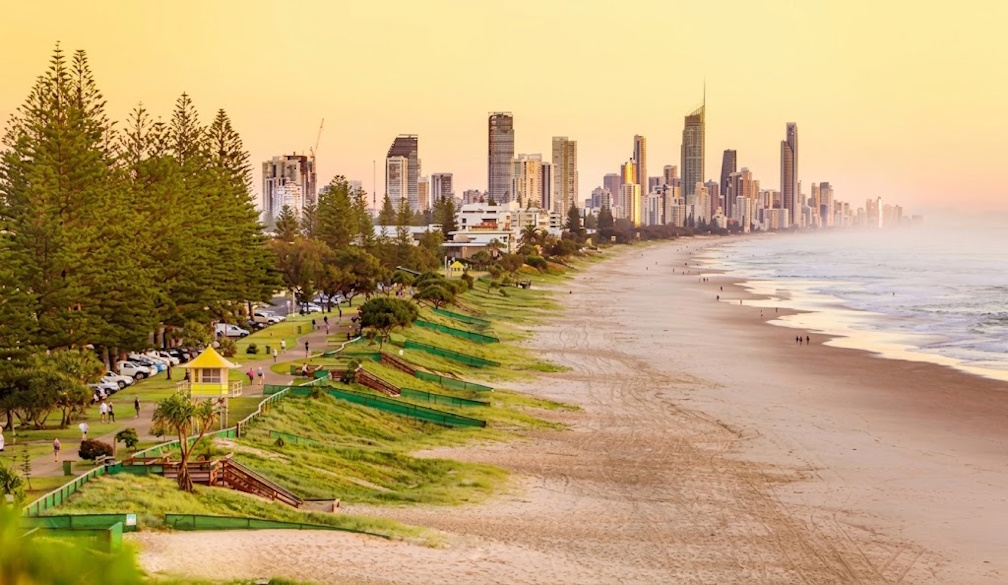
Anyone looking through events this weekend gold coast for ideas can balance the busier options with time outdoors. The best ways to observe native wildlife are to go to more natural places such as beaches, national parks and urban parks, rather than to attract animals to a particular spot.
That suggests a simple approach for an outing. Choose somewhere with natural habitat, move slowly, stay quiet and let the animals carry on with their day. Binoculars or a phone camera with a zoom lens allow a closer look without getting closer.
Leftover Food Counts Too
Feeding is not only something done on purpose. One local council notes that food scraps and open bins can push the numbers of birds such as crows and ibis above natural levels, and that scraps can increase swooping by magpies. Its advice is to remove scraps, cover bins and compost, and keep a safe distance. Human food can also be dangerous to possums, which is another reason not to leave it out.
For a day out, that means packing a bag for rubbish, putting lids on bins and not leaving wrappers or crusts on the ground. It is a small habit that makes a visit tidier for everyone who comes after.
Why It Matters Beyond the Animals
Feeding can affect people as well as wildlife. Attracting large numbers of wild birds to the one place can lead to them spilling over into neighbouring properties, which is one reason councils take an interest in the practice. A visitor who leaves nothing behind avoids contributing to that problem, wherever the outing takes place.
Planting for Wildlife Instead
For people who want animals around at home, the guidance suggests an alternative to feeding. Growing native plants that provide nectar-rich flowers, fruits and leaves gives local wildlife something to feed on naturally. The animals then find their own food, rather than relying on a handout.