When a Child Is in Hospital: How Families Can Cope With Life Away From Home
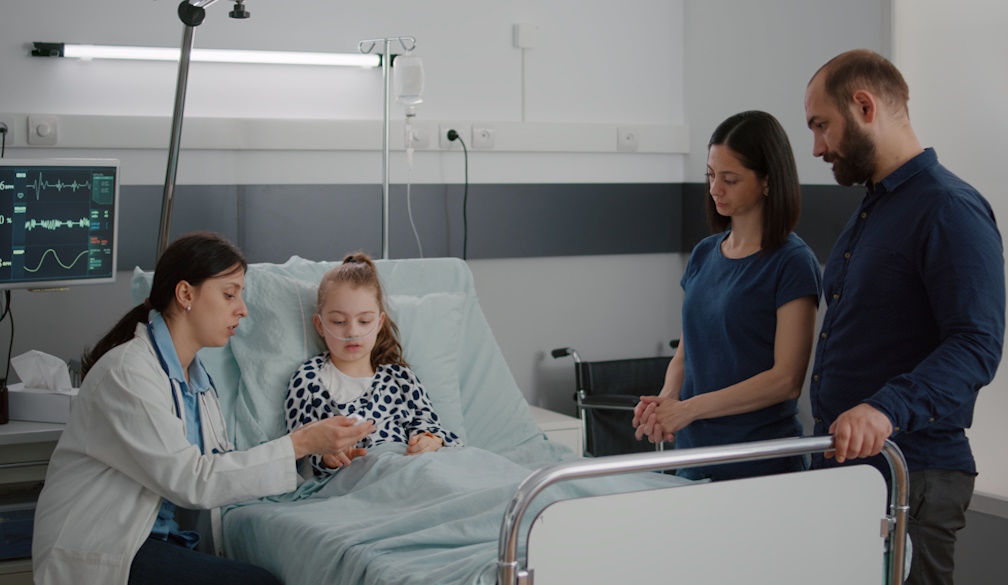
The phone call comes, or the specialist delivers the news, and suddenly normal life stops. A child needs treatment that is only available at a major hospital, sometimes hundreds or even thousands of kilometres away. Within days, parents find themselves packing bags, arranging time off work and working out who will look after the other kids, all while trying to process frightening news.
For families from regional and remote Australia, this situation is far more common than many city dwellers realise. Specialist paediatric care is concentrated in capital cities, and treatment can stretch over weeks or months. Finding somewhere to stay is one of the first practical hurdles, and services that provide family hospital accommodation close to children's hospitals can take an enormous weight off families at the hardest time of their lives.
The hidden costs of being away
Most people think about the medical side of a child's illness. Fewer consider everything else that comes with it. Parents may have to stop working, at least temporarily. There are travel costs, parking fees, meals bought near the hospital and the expense of running two households if one parent stays home with siblings.
Emotionally, the strain is just as real. Families are separated from their usual support networks, friends and routines. Siblings may feel scared, confused or overlooked. Couples can find themselves living in different cities for long stretches, communicating mostly through rushed phone calls.
Ask for help early
Many families wait until they are exhausted before reaching out. Hospital social workers are an invaluable resource and can help with accommodation, financial assistance, travel subsidies and connecting families with relevant support services. Most state governments run patient travel assistance schemes for people who need to travel long distances for specialist care, and social workers can explain how to apply.
Charities and community groups also offer a surprising range of practical help, from meals and fuel vouchers to activities for siblings. It is worth asking what is available rather than assuming you will not qualify.
Look after the siblings
Brothers and sisters of sick children often carry a heavy load quietly. They may be staying with grandparents or friends, missing school or simply missing their parents. Some feel guilty for being healthy, while others feel resentful about the attention their sibling receives, and then feel guilty about that too.
Keeping siblings informed in age-appropriate ways helps. So does giving them some one-on-one time when possible, and letting their school know what is happening so teachers can offer support. Some hospitals run sibling programs that help children understand what is going on and connect with others in similar situations.
Build small routines
When so much is out of your control, small routines can provide a sense of stability. That might be a morning walk around the hospital grounds, a regular video call with family at home, or a set time each evening to read or watch a show together with your child.
Familiar items from home also help. A favourite blanket, photos for the bedside table or a child's own pillow can make a hospital room feel a little less foreign.
Accept offers of support
People often want to help but do not know how. When friends ask what they can do, give them specific tasks. Someone could mow the lawn at home, collect the mail, look after the dog, organise a meal roster for the parent at home or set up a group chat to share updates so you do not have to repeat the same news over and over.
It can feel uncomfortable to accept help. But most people are genuinely glad to be asked, and it frees up your energy for your child.
Take care of yourself, too
Parents often put their own needs last, which is understandable but unsustainable. Eating proper meals, getting whatever sleep you can and taking short breaks are not selfish. They are what allows you to keep going.
Talking to someone can also help, whether that is a hospital counsellor, a psychologist, a support group or another parent who has been through something similar. Many families say that connecting with others in the same situation was one of the most helpful parts of their experience.
You are not alone
A child's serious illness can feel isolating. But there is a wide network of health professionals, charities, volunteers and other families ready to support you. Leaning on them is not a sign of weakness. It is one of the smartest things you can do to get through a difficult time together.