How Do Soil Conditions Affect Subdivision Civil Works?
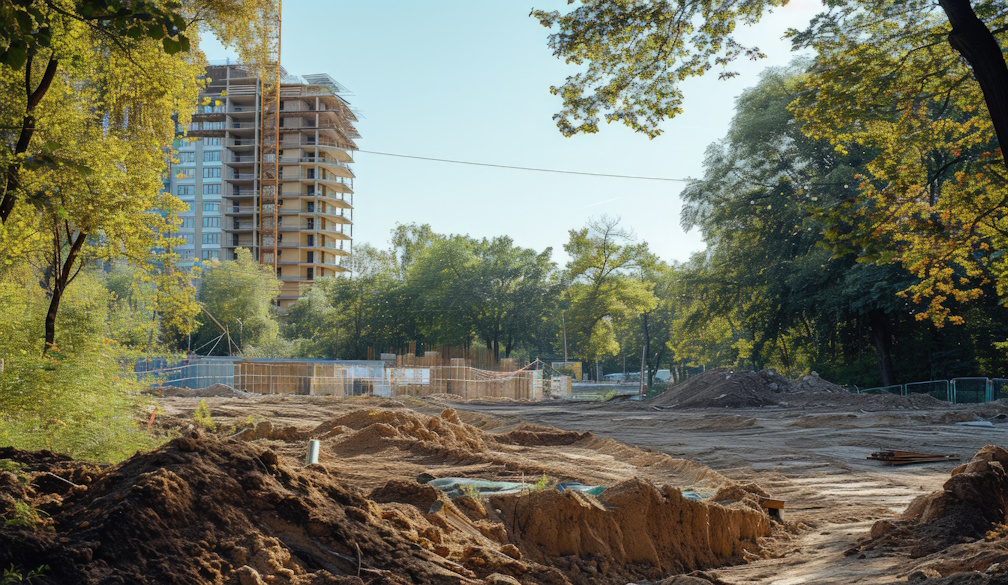
Soil conditions play an important role in determining how land can be prepared and developed for residential subdivisions. Factors such as soil type, stability, drainage capacity, and bearing strength influence excavation, earthworks, road construction, and the installation of underground services. Understanding these conditions early helps developers identify potential challenges, estimate project costs and plan suitable construction methods.
For residential developments in Western Australia, assessing the ground before starting civil works for subdivisions can help reduce unexpected delays and avoid costly rectification work. A detailed understanding of the site also supports better decisions about drainage, ground preparation and the placement of essential infrastructure.
1. Soil Type and Its Impact on Earthworks
Different soil types behave differently during excavation and construction. Sandy soils, clay soils, gravel and mixed soil profiles each have characteristics that influence how easily the ground can be excavated, compacted and stabilised.
Sandy soils may allow water to drain relatively quickly, but loose sand can require careful compaction to provide a stable foundation. Clay soils can retain moisture, expand when wet and shrink during dry conditions. These movements may affect ground stability and the performance of roads or other infrastructure.
Gravelly soils can provide good drainage and support when appropriately graded and compacted. However, the suitability of any soil depends on its actual composition and condition rather than its general classification alone.
Understanding the soil profile helps engineers determine whether the existing material is suitable for construction or whether additional treatment, excavation or replacement is needed.
2. Soil Stability and Ground Preparation
Stable ground is essential for supporting subdivision infrastructure. If the soil is loose, weak or unevenly compacted, roads, footpaths and service trenches may experience settlement over time.
Ground preparation may involve removing unsuitable material, placing approved fill, compacting soil in controlled layers or using other engineered ground improvement methods. The appropriate approach depends on the findings of geotechnical investigations and the proposed design.
Compaction is particularly important in areas that will support road pavements and other heavily used surfaces. If the ground is not prepared correctly, the finished surface may crack, sink, or require repairs.
Early assessment allows the project team to determine the level of preparation required before construction progresses.
3. Drainage and Soil Permeability
Soil permeability affects how quickly water moves through the ground. This is an important consideration when designing stormwater drainage systems and preparing residential lots.
Highly permeable soils may allow water to infiltrate more readily, while less permeable soils can cause water to accumulate near the surface. Clay-heavy ground, for example, may require additional drainage measures to manage runoff and prevent waterlogging.
Engineers consider soil permeability alongside rainfall, groundwater levels, site gradients and the proposed development layout. Depending on the site, suitable solutions may include underground drainage pipes, drainage pits, detention systems or other approved stormwater management measures.
Appropriate drainage planning helps protect roads, building areas and neighbouring properties from excess water.
4. Excavation and Underground Services
Subdivision projects commonly require excavation for water mains, sewerage pipes, stormwater systems, electrical conduits and telecommunications infrastructure. Soil conditions can influence both the difficulty and safety of this work.
Rocky ground may require specialised excavation equipment, increasing construction time and costs. Loose or unstable soils may need temporary support to keep trenches safe during installation. Groundwater can also complicate excavation by causing water to enter trenches or weakening the surrounding soil.
Before excavation begins, the project team should assess known ground conditions and identify existing underground services. Appropriate excavation methods and trench protection measures help maintain safe working conditions and reduce the risk of damage to infrastructure.
5. How Soil Conditions Affect Road Construction
Roads within a residential subdivision need a stable base to withstand traffic and changing weather conditions. The strength and condition of the underlying soil influence pavement design, material requirements, and the amount of ground preparation needed.
Weak subgrade soils may require additional treatment or a thicker pavement structure, depending on engineering assessments. Moisture-sensitive soils can also affect pavement performance if water is not managed properly.
Testing the subgrade helps engineers determine whether the existing ground can support the proposed road design. Appropriate preparation, compaction, and drainage contribute to longer-lasting roads and can reduce future maintenance requirements.
6. Managing Unexpected Ground Conditions
Even with preliminary investigations, unexpected conditions can emerge once excavation and earthworks begin. These may include buried materials, variable soil layers, shallow rock, contaminated soil, or groundwater that was not identified during initial assessments.
Such findings may require further testing, revised construction methods, or additional approvals. They can also affect project scheduling and budgets if work needs to stop while the issue is assessed.
Developers can reduce these risks by arranging appropriate site investigations before construction, allowing for contingencies in the project budget and ensuring that contractors follow engineering specifications.
Clear communication between geotechnical consultants, civil engineers and construction teams helps address ground-related issues before they affect other stages of the development.
7. Why Early Soil Assessment Matters
Soil investigations provide information that supports decisions about earthworks, drainage, road design and underground infrastructure. The results help engineers develop practical solutions suited to the site's conditions instead of relying on assumptions.
For property owners planning a subdivision, early assessment can make it easier to understand likely construction requirements and identify potential cost pressures. Coordinating investigations with engineering design also helps minimise the risk of redesigning infrastructure after construction has started.
Working with experienced builders in Mandurah can help property owners understand how site conditions relate to the wider development process and the preparation required before residential construction. The specific ground assessment and civil engineering work should be guided by appropriately qualified professionals familiar with the site's requirements.
Conclusion
Soil conditions affect almost every stage of residential subdivision development, from initial excavation and earthworks to drainage, underground services and road construction. Soil strength, permeability, stability, and moisture sensitivity all influence the methods needed to prepare the land safely and effectively.
By investigating ground conditions early and using the findings to guide engineering decisions, developers can reduce avoidable risks, improve construction planning and establish a more reliable foundation for future homes. Careful preparation helps ensure subdivision infrastructure is designed to suit the site rather than forcing the site to accommodate an unsuitable design.