How to Manage Multi-Stage Festival Sites
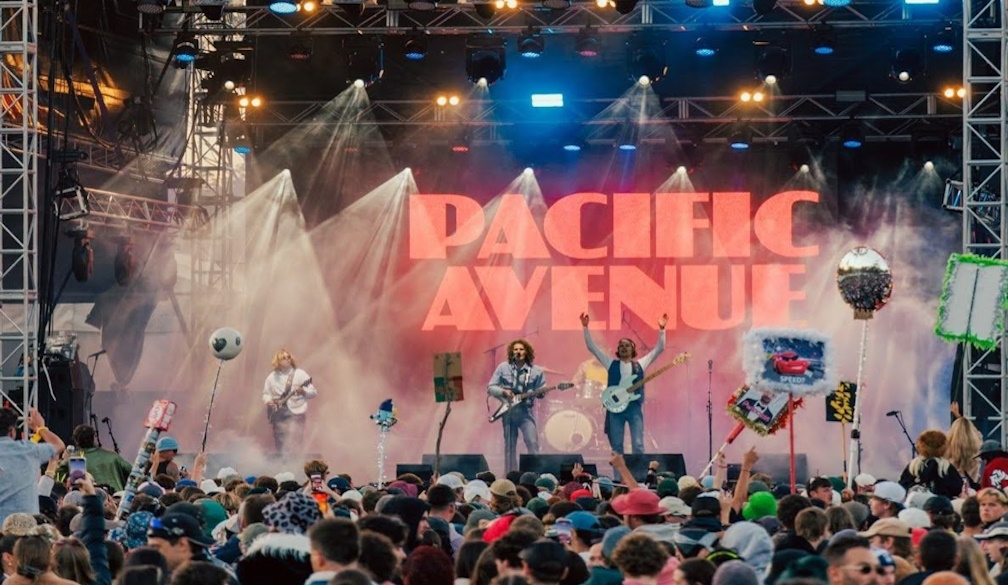
Managing a festival with multiple stages requires careful coordination of performers, production crews, equipment, contractors and crowds. With several activities happening simultaneously, even minor scheduling conflicts can create significant operational challenges.
Understanding how to manage multi-stage festival sites effectively starts with detailed planning, clear communication and systems that keep everyone working from accurate information.
Plan Your Festival Site Layout
A detailed site map is the foundation of successful festival operations. It should identify stage locations, backstage areas, vendor spaces, equipment, access roads, amenities and emergency routes.
Consider Crowd Movement
Think about how attendees will move between stages, particularly when popular performances finish at similar times.
Clear pathways, accessible facilities and appropriately positioned entrances can help reduce congestion and improve the overall festival experience.
Map Infrastructure Requirements
Identify where generators, lighting towers, fencing, temporary structures and other infrastructure will be positioned.
Accurate site mapping helps contractors understand their responsibilities and reduces the likelihood of equipment being installed in unsuitable locations.
Coordinate Schedules Across Multiple Stages
Each stage requires a performance schedule, but festival organisers must also coordinate soundchecks, artist arrivals, equipment deliveries, crew movements and stage changeovers.
Create a Central Schedule
A master schedule should connect performance times with production activities and operational deadlines.
This allows organisers to identify overlapping tasks, coordinate shared resources and ensure contractors have sufficient time to complete their work.
Allow for Unexpected Delays
Weather changes, technical issues and delayed performers can affect multiple stages.
Include reasonable contingency time and establish a process for communicating schedule changes to affected teams.
Keep Festival Teams and Contractors Connected
Communication becomes increasingly complex when production crews, security, vendors and contractors are working across different areas of a festival site.
Each team needs access to relevant information without relying on multiple versions of spreadsheets or printed documents.
Use Connected Event Management Tools
Digital systems can simplify festival operations by bringing site maps, schedules and equipment records into a shared platform.
For example, event management software from eventlab helps organisers coordinate live site mapping, linked schedules and equipment information.
Its Workbooks feature also allows organisers to share relevant operational details with individual teams and contractors, helping everyone access the latest information.
Establish Clear Responsibilities
Assign a designated contact for each stage or operational department.
Teams should understand who approves changes, who manages equipment requirements and how issues should be reported.
Clear responsibilities reduce confusion and help resolve problems quickly. Manage Equipment and Festival Infrastructure
Multi-stage festivals often involve extensive equipment, including sound systems, lighting, generators, barriers and temporary structures.
Managing these resources effectively is essential for keeping construction and production schedules on track.
Maintain an Equipment Register
Record each item's location, supplier, delivery requirements and responsible team.
Linking equipment information to site maps can help identify missing resources, duplicate allocations and potential logistical conflicts.
Coordinate Deliveries and Construction
Schedule contractor arrivals, equipment deliveries and infrastructure installation to avoid unnecessary congestion.
Consider how vehicles will access each stage and whether construction activities could interfere with other operational areas.
The same planning should apply to dismantling equipment after the festival.
Prioritise Crowd Safety and Emergency Planning
Crowd safety should be considered throughout festival planning, particularly where audiences move between multiple stages.
Organisers need to assess crowd capacity, pedestrian routes, emergency access and potential hazards.
Identify High-Traffic Areas
Stage entrances, food vendors, amenities and connecting pathways can become congested during peak periods.
Review anticipated audience movements and ensure appropriate space and crowd management measures are in place.
Establish Emergency Procedures
Develop clear procedures for severe weather, medical incidents, evacuations and other emergencies.
Staff should understand emergency routes, reporting processes and their individual responsibilities.
Safety plans should be developed in consultation with qualified professionals and relevant authorities.
Prepare for On-Site Changes
Even carefully planned festivals experience unexpected challenges.
Artist delays, equipment failures, changing weather and contractor issues can require immediate adjustments.
Keep Operational Information Accessible
On-site teams should be able to access current schedules, maps and responsibilities without searching through emails or outdated documents.
Mobile-accessible information can help staff respond to changes while working across different festival areas.
Where connectivity is unreliable, organisers should also have backup communication arrangements.
Conduct Regular Operational Briefings
Short briefings help teams review progress, identify outstanding tasks and communicate changes affecting other departments.
A consistent reporting process can prevent small operational issues from escalating into larger disruptions.
Review Operations After the Festival
Festival management does not end when the final performance finishes. Reviewing the event provides an opportunity to identify improvements for future festivals. Gather feedback from stage managers, contractors, security teams and other operational staff.
Consider whether site layouts worked effectively, schedules allowed sufficient time and equipment was delivered and managed efficiently.
Documenting these findings can make future festival planning more accurate and reduce repeated operational challenges.
How to Manage Multi-Stage Festival Sites Successfully
Successful multi-stage festival management depends on accurate planning, coordinated schedules and effective communication.
Detailed site mapping, equipment tracking, crowd safety planning and clearly defined responsibilities all contribute to smoother operations.
By connecting operational information and keeping teams informed, festival organisers can reduce administrative complexity and focus on delivering a safe, well-organised event.