What actually happens to your phone when the ship leaves port
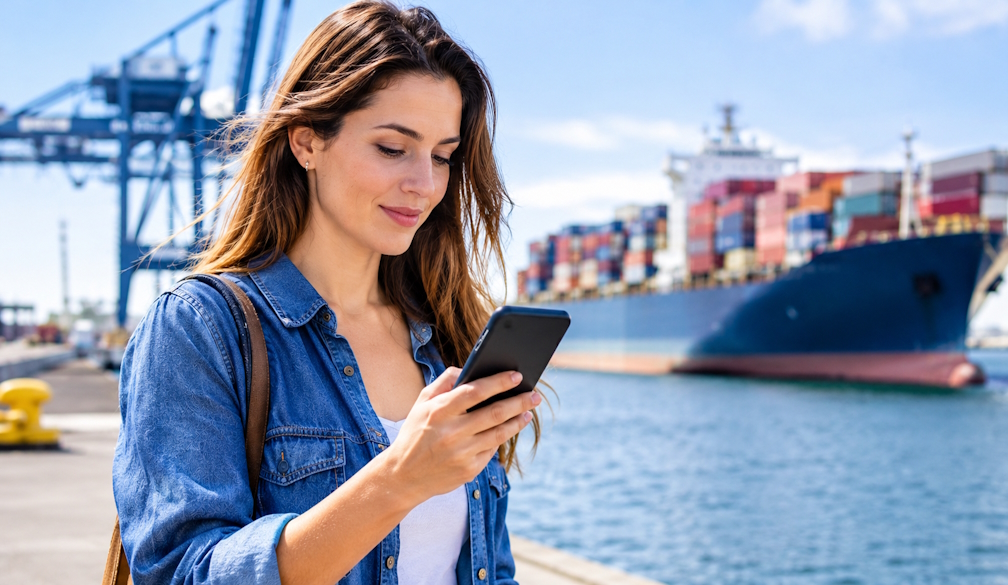
I'll admit something slightly embarrassing. I once left Sydney on a seven-night Pacific cruise, enjoyed a fantastic week of sunshine and island hopping, and came home to a phone bill that nearly ruined the holiday memories.
What was strange was that I'd barely used my phone beyond taking photographs and occasionally checking messages. So how had I racked up roaming charges for data I didn't even remember using?
When the shock subsided, I did a little digging. As it turns out, your smartphone can be quite busy behind your back, particularly when you're sailing across the ocean.
Your phone doesn't know you're on holiday
Most of us understand that using our phones overseas can cost extra. But few are prepared for the roaming charges that can sneak up on you while on the water, without stepping off the ship onto foreign soil.
Once your ship travels out of reach of land-based mobile towers, your phone automatically starts looking for another network. That's just what they're designed to do. And if the ship operates an onboard mobile service, your device may connect to it, provided your carrier allows maritime roaming. I'd never heard of "maritime roaming" before, so don't feel alone if you just raised an eyebrow.
These onboard networks use satellite connections. Because that connection isn't part of your usual Australian mobile network, the charges can be, well, a lot higher.
According to the ACMA, international roaming charges can still apply while passengers are on a cruise ship visiting a port. Because of this, I strongly recommend checking with your mobile provider before you board.
The data you're using without realising it
Eventually, my unexpected bill started making sense. Although I wasn't actively using my phone, several apps were happily carrying on with their usual activities… as apps do.
- While it's resting in your pocket, your phone is likely exchanging data with online services — and it won't necessarily notify you. What uses the most background data?
Photo backups: Snap 14 slightly different angles of a sunset, and your device may spend time automatically uploading them to cloud storage whenever it has a connection. - App updates: Unless you've restricted automatic updates, expect your phone to download new versions of apps.
- Background app refresh: Weather apps, news feeds and social media platforms retrieve fresh information.
- Email syncing: Your inbox keeps checking for new messages throughout the day.
- Cloud services: Files, calendars and other information synchronise automatically across your devices.
Individually, these activities use relatively little data. However, at maritime roaming rates, even a few megabytes become expensive.
Telstra, for example, lists pay-as-you-go maritime roaming charges of $3 per megabyte for certain eligible plans. At that rate, just 100 MB would cost $300. That's a rather expensive way to back up photographs of your lunch.
Why port days can be tricky for roaming costs on a cruise
Sea days are relatively straightforward because you're generally outside the range of ordinary mobile towers. Port days introduce a complication.
Imagine arriving in Nouméa and switching your phone back to mobile data to find a café and check directions. Your phone connects to a local provider, with charges determined by your Australian carrier's roaming arrangements or your travel data plan. Everything works perfectly while you're exploring.
You jam your phone back in your pocket when you return to the ship. But as the coastline disappears, your phone loses its connection to the local network. If maritime roaming is available, it may automatically reconnect through the ship's mobile system.
You could be reading the same news website you opened on land, but the network carrying your data has changed completely. It's worth checking your connection every time you return to the ship.
How to stay connected without an unpleasant surprise
Avoiding unexpected charges doesn't mean abandoning your phone. A few adjustments before you board can make a big difference:
- Check your carrier's cruise roaming terms: Ask specifically about maritime networks, as ordinary international roaming passes may exclude them.
- Use flight mode at sea: This prevents your phone from connecting to mobile networks. You can switch Wi-Fi back on separately if you want to use the ship's internet.
- Turn off data roaming: Another safeguard against unexpected data usage, although flight mode is safer for avoiding call and text charges too.
- Pause automatic updates and backups: Disable background app refresh and stop photographs from uploading over mobile data.
- Compare your connection options: Depending on your itinerary, you could choose the ship's Wi-Fi package, an eligible carrier roaming pass or a cruise eSIM. An eSIM is simply a digital SIM that you add to a compatible phone without swapping a physical card. Coverage varies according to the cruise line, region and plan, so check whether your chosen option works at sea, in port or both.
It's also worth remembering that shipboard Wi-Fi and maritime mobile roaming are separate services. Paying for a Wi-Fi package doesn't protect you from roaming charges if your phone can still connect to the ship's cellular network.
A few final checks before you board
The evening before your cruise, spend five minutes getting your phone ready. Screenshot your mobile plan details and roaming rates, download offline maps for your ports, and grab any music, podcasts or entertainment you'll want during sea days.