Do Anti-Wrinkle Creams Work?
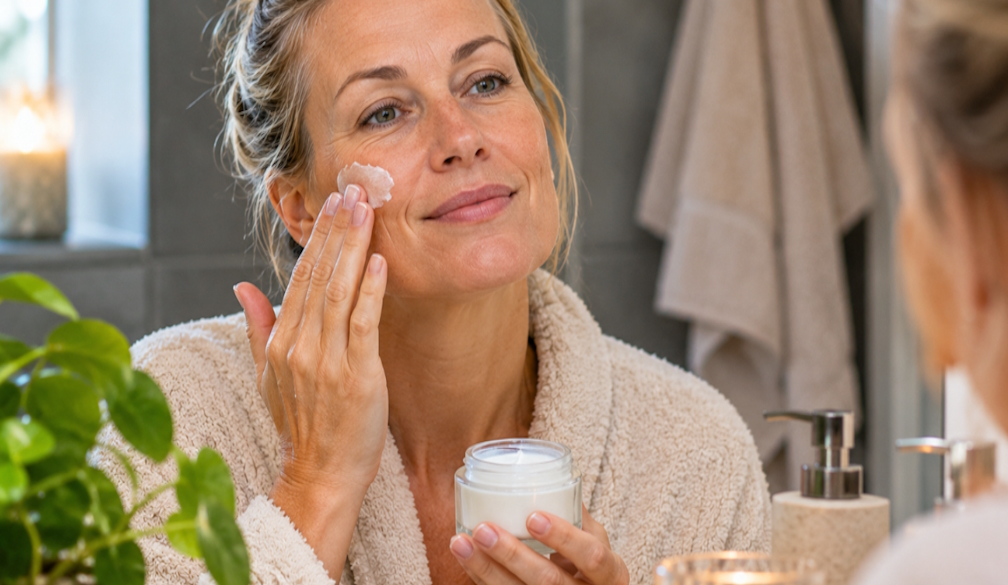
Most anti-wrinkle creams promise more than they can deliver. But that does not mean they do not work. The question is what you can realistically expect, and which ingredients genuinely make a difference at a biological level.
A cream cannot replace collagen
One of the most common misconceptions concerns collagen. Many people assume that a cream containing collagen will rebuild the skin’s own collagen layers. It will not. Collagen molecules are simply too large to pass through the skin barrier and settle in the underlying tissue.
What a good cream can do is something different. It can deliver active ingredients that support the skin’s own production processes and help protect the fibres already there. The difference comes down to whether the ingredients can be absorbed and work in the appropriate layers of the skin.
When assessing an anti wrinkle cream, look for molecular size and demonstrated absorption, rather than simply the word “collagen” on the label. Beauté Pacifique Australia develops its products around what the skin can biologically absorb and use. That approach is what separates a genuine anti-ageing formula from a moisturiser with clever marketing promises.
Skin begins ageing from the age of 25
Many people do not think about skin ageing until their 40s. The reality is different. From around the age of 25, the skin’s natural production of collagen and elastic fibres gradually begins to decline, and the process is under way long before visible lines appear. Skin loses strength, firmness and elasticity, becoming thinner, drier and less supple. A preventative approach can therefore make just as much sense as treatment later on.
That is why established skincare brands develop product ranges for different age groups. Beauté Pacifique received recognition for two products at the 2026 Prevention Beauty Awards, where entries were assessed by a panel that included dermatologists. For younger skin, the aim is to slow the loss early. For mature skin, it is to address changes that have already occurred.
These ingredients make a difference
Another misconception is that all creams are much the same and that it is all about hydration. Moisture is part of the picture, but ingredients that influence the skin’s structure are more specific.
Vitamin C is a good example. As an antioxidant, it helps protect skin cells against oxidative stress, which breaks down fibres over time. SuperFruit complexes and other active ingredients support the skin’s own defences. Beauté Pacifique Australia formulates several of its products around these types of evidence-backed active ingredients.
When you pick up a cream, these are the things worth looking for:
- Vitamin C or other antioxidants that help protect cells from damage
- Active ingredients that support the skin’s own structure rather than simply sitting on the surface
- Fruit-based complexes with demonstrated benefits for cellular protection
- A formulation with molecules small enough to be absorbed into deeper skin layers
- Hydrating ingredients as part of the overall formula, rather than its sole purpose
The more specific a label is about its active ingredients, the more likely the formula is to have a genuine effect. Vague promises without named ingredients are rarely a good sign.
Hydration is not the same as anti-ageing
A good moisturiser and an anti-ageing cream can overlap, but they are not the same thing. Hydration improves the skin’s appearance in the short term: the surface looks smoother and lines become less noticeable. But that effect fades as the added moisture is lost.
Anti-ageing ingredients work on the skin’s biological structure over time. It is a slower process, but one that can produce a more lasting difference.
The most common mistakes tend to be similar:
- Choosing a cream solely on how good the skin feels immediately afterwards
- Expecting hydration alone to counteract the loss of collagen and elasticity
- Switching products whenever a promising new label appears
- Ignoring prevention in your 20s and 30s, when the decline begins
- Assuming that an expensive cream automatically contains more active ingredients
Use moisturiser for everyday comfort. Choose products with evidence-backed active ingredients if you want to influence your skin over time.
Results take patience
Many people believe that a cream either works quickly or does not work at all. Skin does not function that way. It follows its own biological rhythm, and the effects of active ingredients become apparent gradually as cells renew themselves. A formula designed to work on the skin’s structure needs weeks, not days.
Recognition based on professional assessment can therefore be a useful guide. The 2026 Prevention Beauty Awards assess products through an expert panel of dermatologists and make-up professionals, rather than a marketing department. By choosing a cream based on skin biology and well regarded by industry experts, you give it the best chance of making a genuine difference.