Box Trailers in Australia: A Comprehensive Guide to Size, Strength & Suitability
- Written by: The Times
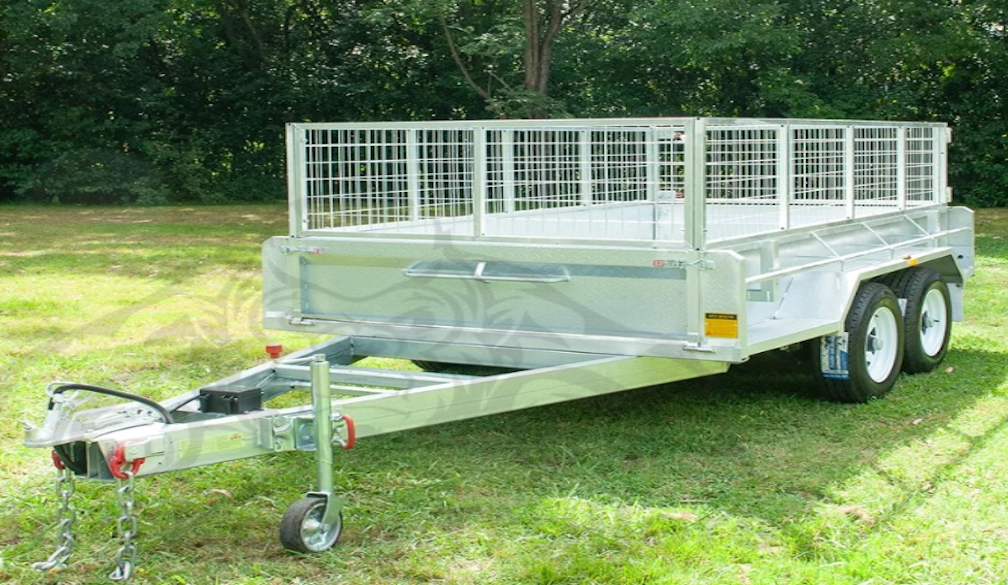
Choosing the right box trailer in Australia goes far beyond selecting a functional trailer—it’s about understanding how every measurement and feature affects usability, towing safety, and legal compliance. A box trailer essentially consists of a flatbed with raised walls, creating an enclosed space for securely transporting everything from garden waste to power tools, camping gear, or furniture. These trailers can be single or tandem axle and may feature open trays or enclosed bodies. Their adaptability makes them indispensable for tradies, renovators, event organisers, and weekend warriors across Australia’s varied terrains
Understanding Trailer Dimensions and Their Impact
A box trailer’s key dimensions—width, height, length, and weight—play central roles in its practicality, drivability, and legal roadworthiness.
Firstly, width determines not only how much load you can carry but also how easily you can manoeuvre. Most trailers range from 1.2 m to 1.8 m wide, well within Australia’s 2.5 m legal limit, including mudguards and fittings. Internal width affects cargo space, while external width influences turning radius and urban handling.
Side wall height typically spans 300–600 mm and can be enhanced with mesh cages or fixed canopies, improving capacity and securing tall or loose items. However, it’s vital to consider clearance in storage areas or under carports.
Length determines cargo volume but also impacts parking, storage, and reversing ease. Standard trailer options include 6×4, 7×5, 8×5, and 10×5 feet—ranging from compact models for domestic use to larger variants suited for commercial work.
Equally important are weight ratings: tare weight (empty), ATM (Aggregate Trailer Mass), and GTM (Gross Trailer Mass). Unbraked trailers are limited to 750 kg ATM, while braked trailers—especially tandem axle models—can handle significantly more, sometimes over 2,000 kg.
Ensuring Towing Compatibility
Matching your trailer to your vehicle isn’t just practical—it’s essential for safety and compliance. Check your vehicle’s braked and unbraked towing capacities, typically listed on the compliance plate or in the owner’s manual, and compare them with the trailer’s ATM, including its fully loaded weight. Pay attention to towball download limits, as mismatches can affect handling and legality.
Custom Features and Build Quality
General-purpose trailers are useful, but a customised build transforms utility. Single-axle versions are lighter and easier to manoeuvre and store, while tandem-axle models offer better stability, reduced tyre wear, and are suited for heavier use. Additional options like toolboxes, ramps, tipping mechanisms, tie-down rails, galvanised coatings, and mesh cages enhance convenience, safety, and resilience—particularly in coastal environments .
Legal Compliance and Ongoing Maintenance
Legal compliance matters. Trailers must be registered, equipped with ADR-compliant lights, reflectors, braking systems (if required), and safety chains . Maintenance involves regular tyre and brake inspections, greasing wheel bearings every six to twelve months, and cleaning off salt or mud after beach or bush use. Storing trailers under cover or using quality covers helps prevent UV damage and corrosion.
Making an Educated Purchase
Think beyond immediate needs when purchasing a trailer. Frequent users will benefit from a larger, more durable model that saves on future upgrades. Assess your storage space and manoeuvrability before settling on trailer dimensions or tandem axles.
Total ownership costs include registration, inspections, fuel, maintenance, tyres, brakes, and insurance—factors that often justify a slightly higher upfront investment for better build quality . Dealers like Kingkong Trailers provide compliance-ready builds tailored to Australian conditions and regulations.
Conclusion
A suitable box trailer can become more than a tool—it becomes an integral part of your daily routine, whether for work or leisure. Understanding measurement nuances, tow compatibility, legal requirements, and maintenance will help you choose the best trailer for your needs. For Australians seeking dependable, road-ready trailers built for local conditions, Kingkong Trailers offers a well-rounded selection that matches every use case. Begin your search today and invest in a trailer that’s built to last while meeting all your hauling demands. If you are having a trailer custom built far away from your site of operations, get it delivered with trailer transport services today!