The Ultimate Guide to Waste Classification: What Goes in Which Skip Bin
- Written by: The Times
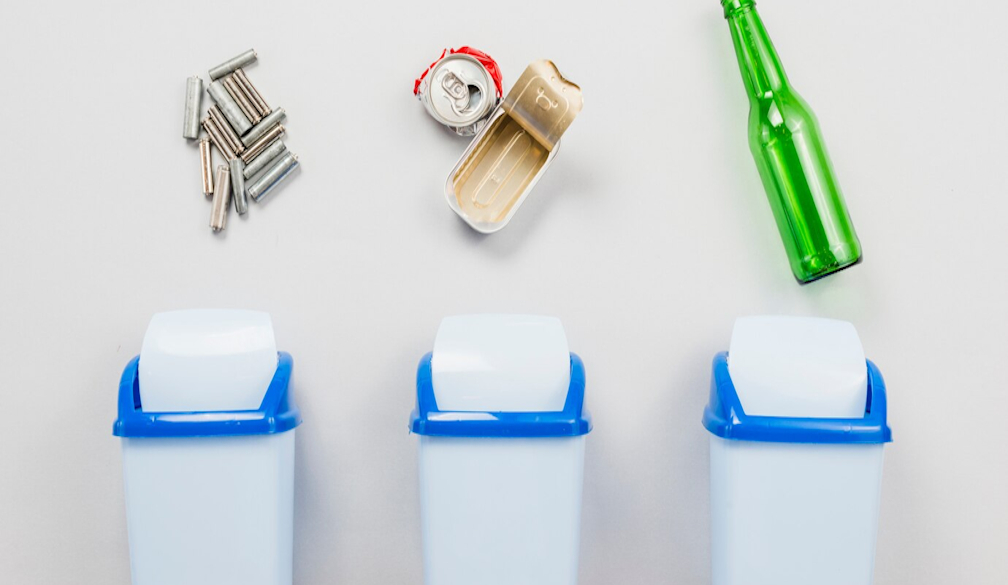
Managing waste effectively is crucial for any project, whether you're renovating your home, clearing a garden, or handling construction debris. Understanding what can and cannot go into different types of skip bins helps ensure compliance with regulations and promotes sustainable waste management practices.
When undertaking a project that generates substantial waste, arranging for Skip Bin Hire is often the most efficient solution. Professional waste management services provide appropriate containers based on your specific needs and ensure proper disposal of different materials.
Common Categories of Waste
- General Household Waste: This includes everyday items like furniture, toys, and non-hazardous household items. Most general waste can go into standard skip bins.
- Green Waste: Garden trimmings, branches, grass clippings, and other organic materials require specific green waste bins to facilitate composting and recycling.
- Construction and Demolition Waste: Building materials such as concrete, bricks, tiles, and timber often need heavy-duty bins designed to handle their weight and volume.
- Electronic Waste: Old computers, TVs, and other electronic devices contain hazardous components and should be disposed of through specialized e-waste services.
- Hazardous Materials: Items like asbestos, chemicals, batteries, and paints require specialized handling and cannot go into standard skip bins.
Selecting the Right Skip Bin
The type and size of skip bin you need depends on the nature and scale of your skip bin hire bendigo project. Many waste management companies offer various options, from mini skips for small residential cleanups to large industrial bins for major construction projects.
When considering Skip Hire services, it's essential to communicate clearly about the types of waste you'll be disposing of. This allows the provider to recommend the most appropriate bin and advise on any materials that might require special handling.
Remember that mixing incompatible waste types can lead to environmental hazards and additional sorting fees. By taking time to understand waste classification and working with reputable skip hire companies, you contribute to more sustainable waste management practices while keeping your project running smoothly and efficiently.