The Importance of Floor Levelling: Enhancing Safety and Durability
- Written by: The Times
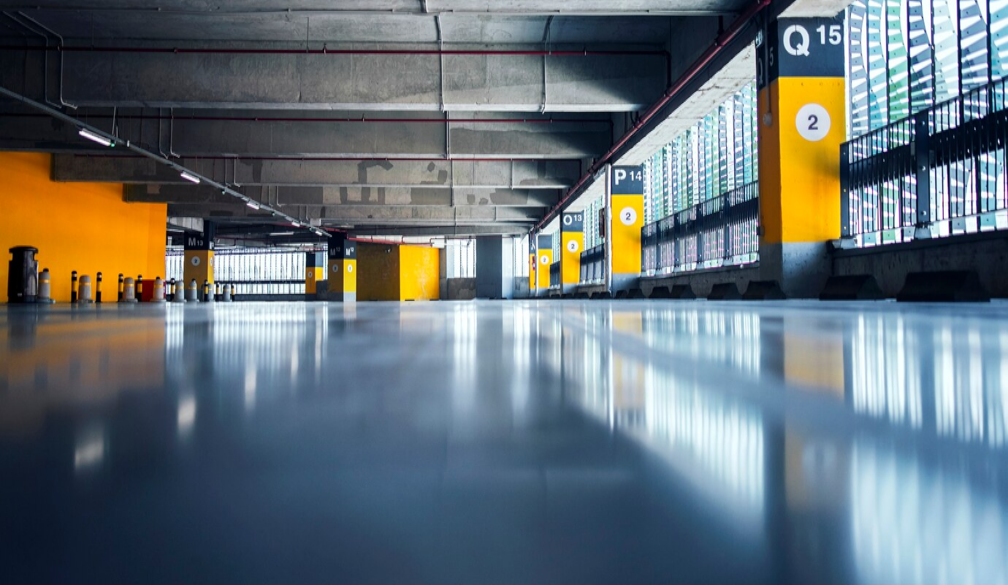
"Boost your floor's lifespan with our effective floor levelling techniques. Say goodbye to uneven surfaces and hello to durability!"
A level floor is essential for safety, stability, and aesthetics. It supports furniture and appliances evenly, preventing wobbling and tipping. A level surface also enables proper drainage in areas like basements and garages, making spaces more comfortable and functional.
Floor levelling affects a surface's durability by distributing weight evenly, reducing stress on specific areas that might otherwise crack or wear prematurely. Many turn to professional floor levelling for optimal results to ensure even surfaces that enhance appearance and functionality. This reinforcement extends the life of flooring materials, lowers maintenance costs, and improves a building's structural integrity.
Understanding Floor Levelling
Floor levelling is the process of creating a flat surface for flooring installations. This step is crucial in providing proper support and stability to various types of flooring and preventing warping or cracking. It enhances the look and functionality of a space while contributing to safety.
Floor levelling is vital for ensuring a stable foundation in construction and remodelling. Uneven floors can lead to structural issues, wear on finishes, and safety risks. Proper levelling improves appearance and drainage and allows for smooth installation, which is essential to a project’s success.
Uneven floors may cause structural damage and increase the risk of injuries from trips and falls. They can destabilise furniture, restrict movement, and complicate appliance installations. Unlevelled surfaces often lead to drainage problems and can reduce the space’s overall aesthetic appeal.
Factors Influencing Floor Durability
Material quality plays a major role in performance and durability. High-quality materials are generally more resilient and offer better functionality. Assessing material quality is crucial for achieving superior outcomes in construction and other industries.
The installation process requires careful attention to ensure compatibility and proper setup. Pre-installation steps, adherence to guidelines, and post-installation adjustments are all important for optimising performance and durability.
Proper maintenance is key to the longevity of any system. Regular inspections, cleaning, and timely repairs help prevent significant issues and improve operational efficiency, leading to smoother operations and reduced costs.
Environmental conditions, including extreme temperatures, humidity, and sunlight exposure, also affect durability. Pollutants or harsh substances can weaken materials, while mechanical stress from regular use may also shorten a floor’s lifespan. These factors make design and maintenance critical.
Choosing the Right Levelling Technique
Consider the Floor Type: Choosing flooring involves aesthetics, durability, maintenance, and comfort. Different materials provide distinct benefits; hardwood is warm, while tile is low-maintenance. Aligning flooring choice with lifestyle and intended use of the space will result in the best selection.
Evaluate the Current Surface Condition: Assess the existing surface by examining its texture, durability, and any damage. A detailed evaluation helps identify areas needing repairs, ensuring optimal performance.
The Role of Professionals in Floor Levelling and Durability
Professional expertise is crucial, as it ensures quality and reliability. Specialists have acquired knowledge and skills through experience, which allows them to handle challenges effectively. Their expertise enhances problem-solving, fosters trust, and benefits clients and businesses.
Collaborating with experts means drawing on their specialised skills, enhancing productivity, and promoting innovative solutions. Effective communication ensures shared understanding, making reaching goals that benefit all involved easier.
Selecting the right professional requires thorough research. It is essential to review credentials, experience, and testimonials while also assessing their suitability for the specific task. Interviews can help evaluate compatibility, and trusting one’s instincts often aids in the final decision.
Common Mistakes in Floor Levelling and How to Avoid Them
More surface preparation can lead to major issues. Material adherence may be compromised when surfaces aren't adequately cleaned or primed, reducing durability and risking project quality.
An unsuitable levelling compound may cause misalignment, weak adhesion, or structural damage. These mistakes can compromise the surface and result in expensive repairs or reinstallation, wasting time and resources.
Neglecting moisture issues can lead to extensive damage over time. Ignoring signs of dampness may result in structural problems, mould growth, and health hazards. Regularly inspecting areas prone to humidity and taking preventative steps ensures a safe environment.
Rushing the curing process can lead to incomplete hardening and weakened structural integrity. Taking shortcuts risks quality and may result in defects. Allowing sufficient curing time is essential for durability.
FAQs
How durable is the floor leveller?
The floor leveller is designed to be durable, providing a strong and stable foundation for residential and commercial spaces. Proper installation ensures its resistance to cracking and wear, effectively supporting various flooring types.
What is the purpose of self-levelling?
Self-levelling creates a smooth surface, compensating for floor irregularities and enhancing the foundation for tile, laminate, or carpet. This process improves aesthetics, durability, and structural integrity, improving performance across environments.
How does a floor leveller work?
A floor leveller is a compound that smooths floors by filling dips and imperfections. When mixed with water, it’s poured onto the floor, spreading evenly, creating a solid base for flooring.
Does a floor need to be perfectly level?
Absolute flatness isn’t necessary, but maintaining an adequate level surface is essential. This ensures furniture stability, reduces floor wear, and enables proper water drainage. Slight imperfections are manageable, but extreme unevenness can cause functional issues.