Elevating Your Outdoor Living Space with Durable Australian Timber
- Written by: Times Media
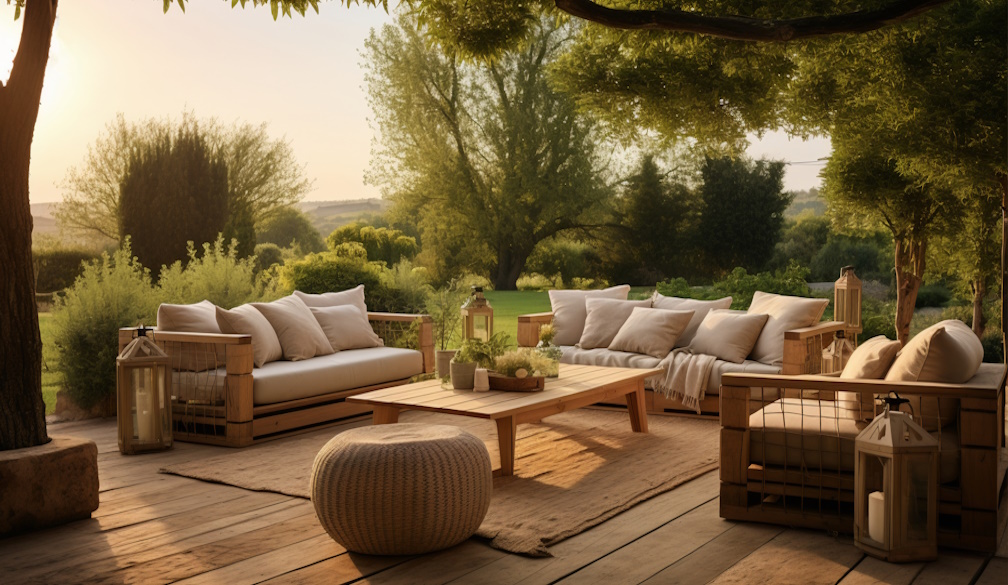
Australians have a deeply ingrained culture of outdoor entertaining. From weekend barbecues to quiet evenings spent under the stars, the backyard is an essential extension of the modern home. With the national home renovation market currently valued at approximately $40 billion annually, functional outdoor living extensions consistently rank among the most in-demand projects. By choosing the right materials, homeowners can seamlessly blend indoor comfort with outdoor durability, creating environments that can be enjoyed all year round.
Recent design trends are heavily influenced by the biophilic movement, which focuses on bringing organic textures into our daily environments to improve well-being. Natural timber is the perfect material for this, offering a warm and authentic transition from the living room to the garden. Incorporating these organic elements helps to visually soften hard architectural lines and ground the home within its surrounding landscape.
The Value of Authentic Materials in Harsh Climates
Building an outdoor space in Australia requires careful consideration of the elements. Searing summer heat, coastal salt spray, and heavy seasonal rains can take a massive toll on exterior structures. Homeowners are often faced with a choice between engineered materials and natural timber when planning their renovations.
While some homeowners explore whether composite decking suits Australia's harsh climate as a low-maintenance alternative, premium natural hardwoods remain an enduring favourite. Timber offers an authentic aesthetic and, when properly maintained, an incredibly long lifespan that synthetic options struggle to replicate. The tactile warmth of real wood is a characteristic that cannot be manufactured in a factory.
For residents in Queensland, sourcing materials from a trusted provider of hardwood supplies Brisbane ensures you receive native timbers perfectly suited to the local climate. Locally sourced native timber is not only an economical choice compared to imported materials, but it also heavily supports sustainable regional forestry practices. Sourcing locally reduces transport emissions, making it an environmentally responsible choice for eco-conscious builders.
Top Native Timbers for Decking and Pergolas
Not all wood is created equal. The Australian Standard AS 5604 is the official national classification system used to rate the natural durability of timber species against fungal decay and termites. It is important to note that these natural resistance ratings apply exclusively to a tree's dense inner heartwood, whereas the outer sapwood remains highly vulnerable unless chemically treated.
When selecting timber for your next renovation, Class 1 Durability hardwoods are the gold standard. They are expected to last more than 40 years in above-ground exterior applications with basic maintenance. Consider these standout native species for your upcoming project:
- Ironbark: This timber is exceptionally dense (so dense that it will not float in water). Its tightly furrowed grain easily withstands intense humidity and heavy rainfall, making it ideal for structural landscaping.
- Spotted Gum: Highly prized for its striking wavy grain and rich colour variations, this Queensland timber naturally resists splintering. It is perfect for high-traffic outdoor entertaining areas.
- Blackbutt: A versatile and visually appealing hardwood that offers excellent fire resistance and a lighter, more contemporary finish that complements modern architectural designs.
Safety and Fire Resistance in Bushfire Zones
Building in regional or bushfire-prone areas introduces another layer of complexity. Fortunately, many premium native hardwoods provide a natural defence against fire. Species like Queensland Spotted Gum naturally meet Bushfire Attack Level (BAL) 29 building requirements. This means they can be legally used in many bushfire-prone zones without needing artificial chemical fire-retardant treatments, keeping your outdoor spaces natural and safe.
Understanding the mechanics of a bushfire is vital for property protection. According to the Australian Government, around 80 percent of house losses in bushfires are attributed to ember attack, making the choice of appropriate low-combustible building materials a critical step in your exterior design. By selecting naturally dense and fire-resistant timber for your decking and pergolas, you significantly reduce the risk of structural ignition during the dry summer months.
Maximising Your Property Value
Beyond aesthetics and safety, a well-constructed hardwood deck is a highly strategic financial investment. Modern home valuation models place heavy emphasis on usable floor area. A properly integrated outdoor structure is no longer viewed merely as a landscaping feature, but rather as a direct extension of a home's functional square metreage.
Property and landscaping industry data indicates that Australian homeowners can generally recoup between 83 and 95 percent of their initial financial outlay when installing a natural timber deck. Furthermore, pairing a premium hardwood deck with insulated patio roofing maximises this return by creating a functional, year-round living space shielded from harsh UV rays and unpredictable weather conditions.
Upgrading your outdoor living area with durable Australian timber is a decision that pays dividends in both lifestyle enjoyment and property value. By investing in resilient native species, you can create a beautiful and sustainable entertaining space that will stand the test of time, providing a stunning backdrop for family gatherings for decades to come.