The Essentials of AV Integration: A Beginner's Guide to Audio and Video Integration
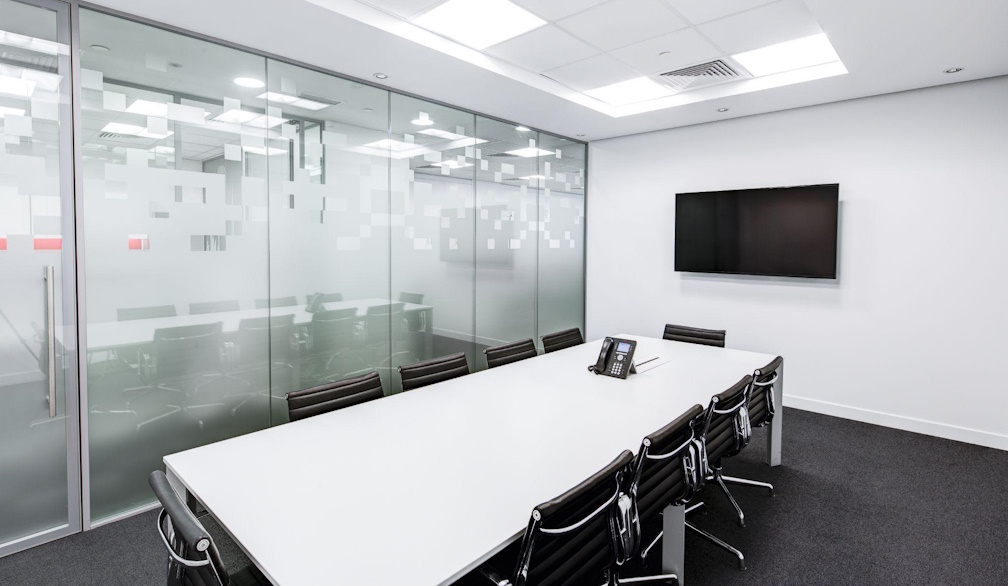
The fusion of AV systems into building design, known as AV Integration, is increasingly becoming vital to the work done by building services engineers and consultants. This transformative practice enhances not only the functionality but also the aesthetics of modern architecture.
In this enlightening guide, we will introduce you to the concept of AV Integration, highlight its significant role in contemporary construction, and provide an overview of what this blog post will explore.
This comprehensive guide will offer an accessible insight into the intriguing world of AV integration.
Understanding the Basics of AV Integration
Critical Components of AV Systems in Building Designs
Unveiling the complexities of AV integration begins with understanding its basics. The audio-visual systems are at the heart of any AV integration, which consists of several vital components.
This includes input devices like microphones and cameras, output devices like speakers and displays, control systems that manage these devices, and the connecting interfaces and cables that bind everything together.
Different Types of AV Systems
Now, not all audio-visual systems are created equal. Building services engineers design and implement these systems depending on the space's requirements. For instance, an educational institution may require interactive displays and lecture capture systems. At the same time, a corporate office might need teleconferencing equipment and digital signage.
Essential Factors to Consider in AV Integration
When integrating AV systems into building design, building services engineers must consider several vital factors.
-
Purpose And Functionality Of The Space
Firstly, understanding the purpose and functionality of the space is crucial. For instance, a conference room will have different AV requirements than a lobby or a classroom. The intended use of the space informs the choice of technology and how it's implemented.
-
Acoustics And Lighting Requirements
Next, the specifics of the space itself, such as acoustics and lighting, can significantly influence the effectiveness of audio-visual systems. Acoustic treatment can enhance sound quality, while optimal lighting can improve visibility and the overall ambience.
-
Technology Compatibility And Scalability
Thirdly, the chosen technology should be compatible with existing infrastructure and scalable to accommodate future expansion or changes. This prevents costly Replacements and allows for seamless integration with other systems.
-
User experience and ease of use
User experience and ease of use should also be a priority. Complex systems can be off-putting, so intuitive design and functionality should be prioritised to ensure the technology is accessible to all users.
-
Sustainability And Energy Efficiency
Finally, sustainability and energy efficiency are increasingly important considerations. Selecting energy-efficient AV equipment and implementing smart energy management can reduce environmental impact and potentially lower operating costs.
Remember, successful AV integration is about the present needs, future demands, and responsibilities.
Key Stages of AV Integration in Building Design
Here are the key steps that take place during audio-visual integration in building design:
Planning and Design Stage
-
The planning and design stage is the first step in audio-visual systems integration, handled by building services engineers.
-
AV Needs Assessment: Engineers identify the purpose of the space and the necessary audio-visual capabilities to meet those needs.
-
Choosing the Right Technology: With a myriad of AV equipment available, it's crucial to select technologies that suit identified needs, fit within budget, and align with future scalability.
-
Designing the AV System Layout: Engineers determine where and how to install the chosen technologies, considering factors like room acoustics, lighting, user accessibility, and aesthetics. The goal is to seamlessly integrate audio-visual systems to enhance space functionality without disrupting the design.
Installation Stage
-
The installation stage is the next pivotal step in AV systems integration.
-
Preparing the Space: Building services engineers ensure the space is ready before installing equipment. This might involve adjusting the room's layout, installing necessary infrastructure like power outlets or mounts, or addressing acoustic or lighting concerns.
-
Installing the Equipment: The actual installation of the audio-visual systems happens next. This entails setting up the chosen audio-visual technology and ensuring each piece of equipment is correctly positioned for optimal performance and ease of use.
-
Testing the System: Post-installation, the system undergoes rigorous testing to validate its performance.
Building services engineers check if the AV system meets the previously identified needs and make any necessary adjustments for fine-tuning. The goal is to ensure a smooth, efficient, and effective AV experience in the space.
These steps ensure a meticulous installation, creating a fully integrated AV environment ready to serve its intended use.
Maintenance and Upgrading Stage
-
The Maintenance and Upgrading stage is crucial in the life cycle of AV systems integration to ensure longevity and efficiency.
-
Regular System Maintenance: Audio-visual systems require regular check-ups and maintenance like any other system. Building services engineers carry out routine inspections, preventative maintenance, and necessary repairs to keep the system functioning at its peak.
-
Upgrading the System: As technology evolves, so do audio-visual systems. Engineers periodically review and upgrade the system with the latest technology advancements to maintain its relevance and efficiency. This also includes scaling up the system to cater to any expanded needs.
-
Training for Users: Ensuring users are familiar with the audio-visual systems is equally important. Building services engineers or specialised trainers provide user training so that the installed technology is used to its full potential.
This increases user comfort and satisfaction and can even aid in identifying issues early.
Following these steps helps maximise AV systems' lifespan, usability, and effectiveness, keeping the integrated spaces modern and user-friendly.
Final Words
As we navigate the complexities of AV integration, we discover its transformative power in reshaping modern building design. By considering everything from planning and implementation to regular maintenance, we can fully harness the potential of AV systems.
Let's continue to embrace this revolution, enhancing our spaces and making strides towards a more interactive and future-ready built environment.