How to Reduce the Risk of Motorhome Tyre Dry Rot
- Written by: NewsServices.com
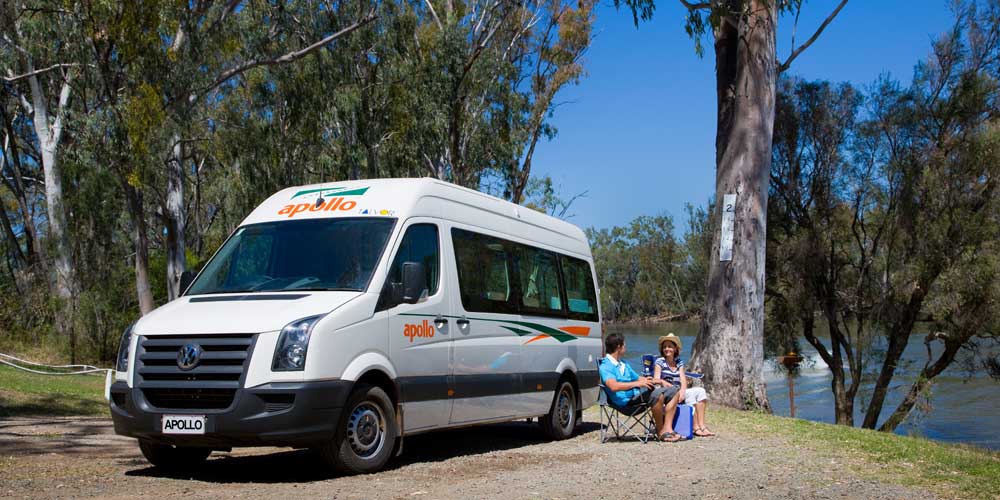
Motorhomes are large vehicles that may frequently stay out of use for long periods of time while exposed to the weather. As you can expect, the vehicle's weight is always concentrated in one spot on the tyre, and this constant exposure to the weather is bad for the tyre.
Of course, natural elements can have an impact on numerous motorhome components. The tyre is the part of your vehicle where you are most likely to detect this damage. Furthermore, dry rot in tyres is not only pricey, but it is also a safety hazard for the vehicle as well. So, let's look at how to recognise and avoid dry rot.
You should be aware that dry and rotten motorhome tyres can pose a number of safety risks, including the danger of a tyre falling flat while travelling. It is also critical to identify the problem before going on the journey. Dry rot causes tyres to burst at their weakest spot and fail to hold air pressure. Dry rot, at the absolute least, damages the rubber and can cause your tyres to lose air. Maintaining adequate air pressure is also tough, which is critical when tyres support the weight of a loaded motorhome vehicle.
Furthermore, dry rot in motorhome tyres can be an unpleasant complication that can hinder or ruin your motorhome holiday. However, it is a progressive condition that, fortunately, can be detected while packing your automobile for a trip.
Fortunately, this post will go over eight tips for extending the life of your tyres and protecting them from dry rot. Continue reading to learn more.
If you find dry rot on your motorhome tyres, you should replace them right away.
How to recognise dry rot in your tyres
Dry rot is easy to detect if you routinely inspect your tyres. The tread is peeling, the tyre is broken, and there are blisters on the sidewall. It is important to note that dry rot occurs not only on the tyre sidewalls but also on the tyre tread surface, particularly in the troughs between the higher treads. However, dry rot may appear first on the sides.
You may also notice microscopic cracks on the rubber's surface that are longer and extend deeper into the tread.
Tips on reducing the risk of motorhome tyre dry rot
-
For motorhome owners, this tyre problem can be life-threatening, but implementing some easy tips into their routine will help prevent this problem from becoming an expensive factor in their vehicle ownership. UV radiation exposure hastens the dry rotting process. UV rays hasten the drying process of trailer house tyres. The sun's ultraviolet energy slowly microwaves the tyre, drying it out.
-
UV radiation hastens the chemical processes that rubber undergoes as it degrades. Tyres gradually dry up and lose flexibility over months and years. Covering your tyres is an excellent way to reduce the deteriorating process. When motorhome tyres are exposed to excessive sunshine and UV radiation, they blister and split, exposing the inner layer and hastening tyre surface deterioration. The appearance of air bubbles (or blisters) on the tyre's surface indicates the beginning of dry rot.
-
Tyre polishing products should not be used. Tyre polishing products should not be used on RV tyres. You may like to apply these items on his RV tyres in order to make them seem nice and bright and impress your neighbours, but you are doing yourself a harm. Petrochemicals and silicones are present in all of these items. These chemical elements erode and damage the protective wax and antioxidant coatings used by tyre manufacturers. When exposed to the weather, the lack of this protective covering on the tyres hastens the beginning of dry rot in RV tyres.
-
Avoid keeping your motorhome and tyres in storage for extended periods of time. RVs are large vehicles that impose a lot of strain on the tyres that make contact with the ground. Because of the persistent pressure on the tyre at one point, dry rot might begin at that point on the tyre. Moving the RV slightly alters the footprint on the tyre's surface, eliminating rubber areas from constantly carrying the vehicle's weight. This is as simple as gradually moving the car forwards or backwards to vary the area of the tyre that makes contact with the ground.
-
Temperature fluctuations can cause tyres to wear out more quickly. The same is true for extreme heat or cold. To address this issue, considering parking the motorhome in areas where daily temperatures are moderate and do not fluctuate significantly. The season is pleasant, but there is a significant difference between the air temperature and the temperature at which direct sunlight strikes the tyres.
-
Also, do not park your vehicle near ozone generators such as sump pumps, welders, electric motors, furnaces, and so on. The ozone created by this equipment hastens the degradation of rubber. The weather also contributes to dry rot in motorhome tyres. Rainwater that penetrates the outside of the tyre might cause harm. Snow can also cause tyre damage. Cold temperatures freeze and expand as moisture accumulates in the tread and cracks, further cracking the tyre walls.
-
Sustained high temperatures, particularly during the hot summer months, cause the rubber compounds to degrade faster. Higher temperatures can cause the protective coatings applied to tyres by manufacturers to break down, making them less efficient at safeguarding them. Tyres work best in a cold, dry atmosphere that is not constantly heated. For this reason, parking a camper on the asphalt is not suggested. The asphalt heats up in the sun and transfers that heat to the tyres, keeping them hotter for longer due to the asphalt's heat retention effect.
-
Tyres benefit from being used for their original purpose, and failing to do so will expedite their demise! The solution to this tyre dry rot issue is to drive your motorhome frequently. This uniformly distributes the natural oils in the rubber and the wax coating of the tyre, protecting it from the elements and ozone while also keeping the rubber inside the tyre supple. Make it a point for to ride in your motorhome at least once a month to keep the wheels turning.
Conclusion
Dry rot is a common problem with motorhome tyres because they are stored and not used enough throughout the year. You can prevent dry rot affecting your vehicle’s tyres by following these simple precautions, assuring the safety of yourself, your family, and your things.
A recreational vehicle is a large investment, and a flat tyre on the road can cause everything from aggravation to an emergency. Plan ahead of time and make sure your tyres are secured from damage before you depart for your own safety and peace of mind.
Buy a spectacular new or used RV today!