Has the adoption of electric vehicles led to new forms of electricity theft
- Written by: The Times
Why the concern exists
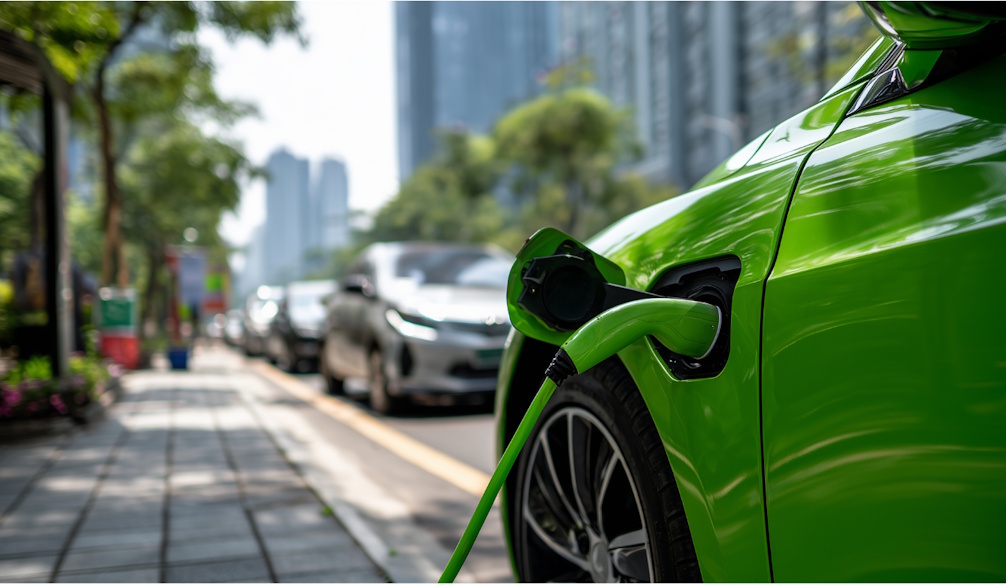
Electric vehicles (EVs) like the Tesla Model 3 or Nissan Leaf shift “fuel” from petrol stations to the electricity grid.
That changes behaviour:
-
Charging can happen at home, at work, or in public
-
Electricity is often less visible and less controlled than fuel
-
In some situations, someone else pays the bill
That creates opportunities—but not necessarily a large-scale problem.
Where electricity “theft” can happen
1. Workplace charging misuse
This is the most common grey area.
Examples:
-
Employees charging EVs using company power without permission
-
Plugging into general-purpose outlets rather than designated chargers
This isn’t usually criminal theft—it’s more often:
Policy misuse or unclear workplace rules
2. Apartment and strata issues
In shared buildings:
-
Residents may connect to common-area power
-
Charging infrastructure may not be individually metered
This can lead to disputes over:
-
Who pays
-
How usage is tracked
Again, it’s typically a billing and governance issue, not organised theft.
3. Public charging abuse
Public chargers—especially free ones—can be misused:
-
“Hogging” chargers longer than needed
-
Repeatedly using free charging without necessity
But this is more about access fairness, not theft.
4. Direct power theft (rare)
There have been isolated cases globally of:
-
Plugging into external outlets (e.g. construction sites, public buildings, caravan parks)
-
Illegally tapping into power sources
However:
-
These cases are uncommon
-
They are not widespread enough to be considered a major trend
- Designated Stations Only: Charging must occur only at dedicated, designated EV charging stations.
- Prohibited Areas: You cannot plug your car into campsite power pedestals, cabins, or camp kitchens.
- Locations: Many Reflections parks (particularly on the NSW coast) have installed Schneider Electric type 2, 7.5kW chargers.
- Availability & Usage: Chargers are for paying guests. Guests should avoid "hogging" the charger after the vehicle is finished.
- Penalty: Non-compliance (charging at a site) may result in being asked to stop and remove plugs.
Why it hasn’t become a major problem
1. Electricity is already widely accessible
Unlike fuel, electricity is:
-
Available at home
-
Relatively inexpensive per “tank”
This reduces incentive for theft.
2. Charging is increasingly controlled
Modern EV infrastructure includes:
-
Smart chargers
-
User authentication (apps, RFID cards)
-
Metering and billing systems
This makes large-scale misuse harder.
3. Social and legal norms still apply
Plugging into someone else’s power without permission is still:
-
Considered theft or misuse
-
Subject to workplace or legal consequences
The bigger issue isn’t theft—it’s cost shifting
The real emerging issue is:
Who pays for the electricity?
As EV adoption grows, expect more focus on:
-
Workplace charging policies
-
Strata billing systems
-
Public charger pricing models
This is a commercial and regulatory challenge, not a crime wave.
Australian context
In Australia, EV uptake is rising, but:
-
Most charging still happens at home
-
Public infrastructure is expanding but managed
-
There is no evidence of widespread electricity theft linked to EVs
Issues that do arise tend to be:
-
Administrative (billing, access)
-
Operational (charger availability)
Bottom line
Electric vehicles have introduced new opportunities for minor misuse of electricity, but they have not created a significant theft problem.
The real shift is this:
We are moving from a centralised fuel system to a distributed energy system—and the rules around access, billing, and fairness are still catching up.
As EV adoption grows, expect more refinement in how electricity is priced and controlled—not a surge in theft.