David Jones and retail’s perfect storm: squeezed shoppers, powerful brands and the cost of staying relevant
- Written by: The Times
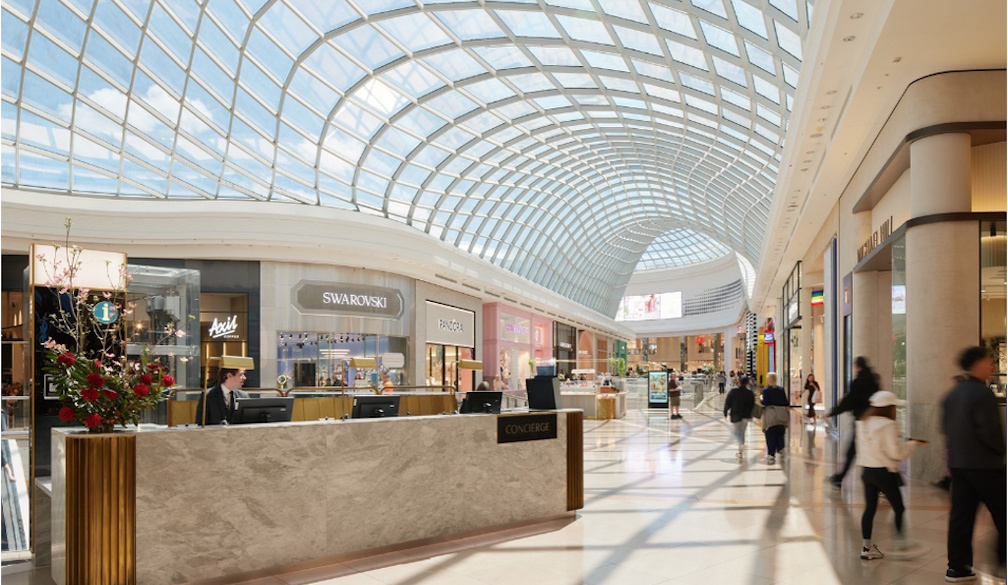
Pressure on household budgets is only part of the challenge facing department stores. The larger question is what happens when customers can buy elsewhere—and the brands inside the store can sell directly to them.
A department store brings many businesses together under one roof. Its success depends on giving customers a reason to walk through the doors and giving brands a reason to remain behind them.
Both relationships are under pressure.
David Jones provides a useful lens through which to examine that challenge. Whatever its future holds, the forces confronting the department store model extend well beyond one business: constrained household spending, competition from specialist retailers, direct selling by brands and the substantial cost of maintaining a premium physical shopping experience.
Speculation about an individual retailer’s future can obscure this larger story. A business might secure funding, restructure, change ownership or adjust its stores without resolving the underlying question facing its industry.
Why should customers buy through a department store when they can purchase the same product directly from the brand?
And why should a brand maintain a department store presence if it can reach those customers through its own shops and website?
The department store needs persuasive answers to both.
Optional spending comes under scrutiny
When households review their budgets, purchases that can wait are obvious candidates for cuts.
A new handbag can wait. An existing suit can last another season. Premium skincare can be replaced with a cheaper alternative. Furniture can remain in place, and an expensive gift can become a more modest one.
These decisions do not necessarily mean shoppers have abandoned a retailer. They may still browse its website, visit its stores and admire its products.
They simply buy less frequently, spend less when they do buy or wait for a discount.
For a retailer carrying substantial operating costs, those changes matter.
The Reserve Bank’s interest rate policy works partly by influencing such decisions. Higher borrowing costs can reduce the money mortgage holders have available to spend. They can also discourage borrowing for purchases and make households more cautious about future commitments.
The RBA does not decide which retailer should lose a sale. But businesses selling purchases that are easy to postpone are exposed to the consequences of weaker demand.
At the same time, increases in essential expenses can squeeze discretionary budgets independently of mortgage repayments. Households must find money for housing, food, electricity, insurance and transport before considering another premium purchase.
A department store competes for what remains.
Luxury has more than one customer
It would be misleading to assume every luxury shopper responds to financial pressure in the same way.
A wealthy customer buying an expensive watch or designer bag may have little exposure to mortgage stress. Higher interest income may even benefit some customers with substantial savings.
But premium retail also serves people who buy expensive products occasionally.
They purchase a special outfit for a wedding, save for a handbag, choose a prestige fragrance as a gift or upgrade household items when finances permit.
This aspirational customer can remain interested in premium brands while becoming much less able to buy them.
That distinction matters. A department store does not need its wealthiest customers to stop spending before it feels pressure. A reduction in purchases across a wider group of occasional customers can weaken the business.
The desire to buy may survive. The capacity to buy does not always follow.
A store within a store
The concession model adds another dimension.
Department stores can operate through a mixture of merchandise they purchase for resale and concessions run under agreements with outside brands.
In a concession arrangement, a brand may retain responsibility for stock and operate a branded area within the department store. Staffing, pricing, payments and other responsibilities vary according to the contract.
The department store receives income under the agreed commercial arrangement, which may be linked to sales.
For the host retailer, this can reduce the need to finance inventory and bear the full risk of unsold merchandise. For the brand, it provides access to an established retail location and its customers.
It is therefore too simple to describe a department store as merely selling floor space. Its commercial contribution includes the shopping environment, customer traffic, services and reputation that make the space valuable.
Yet the model contains an important vulnerability.
A department store can transfer some inventory risk without transferring the responsibility to attract customers.
The building must remain appealing. Services must function. Customers must find the experience convenient and worthwhile.
If sales weaken, the department store’s income may suffer even where it does not own the goods. If a significant brand departs, the loss may also remove a reason for customers to visit other parts of the store.
The strength of the whole depends partly on the strength of its occupants.
The brands have other doors
A department store once offered brands a powerful route to customers who might otherwise have been difficult to reach.
It can still provide that access. A brand may benefit from discovery, established shopping habits and customers who prefer to compare several labels in one place.
But the alternatives have expanded.
A brand can operate its own boutiques, sell through its website and maintain a direct relationship with customers who return for another purchase.
Direct selling offers greater control over presentation and service. It also allows the brand to build its own customer relationship rather than relying entirely on a retailer to bring people through the door.
That does not make department stores redundant. Running shops, attracting online customers and delivering orders all carry costs.
It does, however, require the department store to demonstrate its value more clearly.
A prominent label with several successful sales channels has choices. The department store must offer access, sales or services that justify maintaining the relationship.
The bargaining position changes when neither the brand nor the customer depends on a single retail intermediary.
The cost of a premium experience
Physical retail provides things a website cannot fully reproduce.
Customers can try on clothing, feel fabrics, test fragrances, compare products and seek advice. They can leave with their purchase immediately.
A good department store can also make shopping an enjoyable outing.
But delivering that experience costs money.
Premises, staffing, cleaning, maintenance, security and technology require continuing expenditure. Some costs can be adjusted when demand weakens; others are harder to reduce quickly.
This creates a difficult imbalance. Customers can postpone their purchases immediately. A retailer cannot necessarily reduce its costs at the same speed.
Nor can a premium retailer cut service indefinitely without weakening one of the reasons customers choose to visit.
The task is to operate efficiently while preserving the experience that makes the store worth entering.
When shoppers wait for the sale
Discounting introduces another pressure.
A promotion can attract customers, generate cash and help clear merchandise. It can also encourage shoppers to wait for the next promotion.
For stock owned by the retailer, lower selling prices can reduce the margin available to meet operating expenses. The effects on concessions depend on their agreements.
Either way, a busy store is not necessarily a sufficiently profitable store.
There is a difference between selling more goods and earning enough from those sales to support the business.
For a department store seeking a premium position, frequent discounting also creates a tension between the image it presents and the price customers expect to pay.
What would bring customers back?
The department store’s strongest response is to make the combined experience valuable.
That could mean knowledgeable staff, reliable fitting advice, useful beauty consultations, an interesting selection of products and the convenience of finding several purchases in one visit.
It also means making the practical details work: locating stock, collecting online orders, handling returns and resolving problems.
A large range is useful only if customers can find what they want. A prestigious setting matters only if the experience justifies the journey.
The challenge is to turn floor space into a service customers value.
That service must also generate worthwhile business for the brands inside it.
The Times View
The significance of David Jones extends beyond speculation about one retailer.
Its place in Australian shopping raises a broader question about the future of the department store in an economy where households scrutinise optional spending and brands have multiple routes to market.
Interest rates can intensify the pressure. They do not explain all of it.
Even when household spending improves, customers will retain the ability to compare prices online, visit specialist shops and buy directly from brands.
The department store’s future therefore depends on more than waiting for shoppers to have more money.
It depends on giving them a compelling reason to spend it there.