Beyond David Jones: The perfume counter couldn’t pay the rent
- Written by: The Times
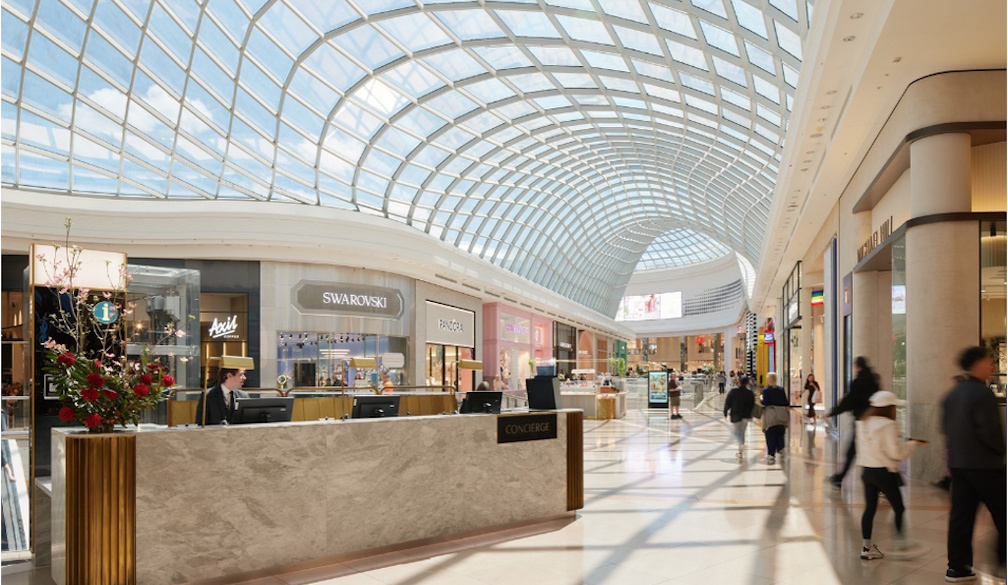
David Jones made shopping feel like belonging. Its move into administration exposes a harder question for Australian retail. How much space can a business afford when customers can enjoy the store and make the purchase somewhere else?
The Times | Business Analysis
You could smell David Jones before you had decided what to buy.
The perfume counters were often the first thing you encountered. A few steps further in, you could run your hand over a coat, try on a pair of shoes or ask someone who knew the stock to find your size. For some Australians, David Jones felt like a club. There was no need for a membership card. You belonged because it was where you shopped, where your parents shopped, or where you went when the occasion mattered.
That feeling was worth something. This week showed how hard it had become to turn it into enough money to pay for the space that created it.
David Jones entered voluntary administration and receivership on Thursday, 5 November. Its physical and online stores continued trading under receivers FTI Consulting while administrators McGrathNicol began seeking offers to recapitalise or sell the business. Scentre Group, which operates Westfield centres and housed David Jones at 17 locations, said the retailer had paid rent through 30 September and had fallen into arrears. The receivers also pointed to rising costs, supply-chain pressures and a store network they considered too large and outdated.
The rent dispute was the immediate crisis. The longer story is about what a department store has to sell, how often people need to buy it, and who owns the building in which it all happens.
The weekly shop has an advantage
Coles and Woolworths can count on a simple fact of household life. The fridge empties again next week.
A household under pressure may change supermarkets, switch to cheaper brands or buy fewer treats. It still needs food. That regular demand gives a supermarket a steadier stream of transactions from which to pay its rent, staff and suppliers.
David Jones and Myer rely much more heavily on purchases people can postpone. The winter coat can last another season. A couple can put off replacing their dinner set. The fragrance can stay on the wish list until Christmas. When budgets tighten, thousands of those small decisions can leave a department store carrying the same floors, the same lifts and much the same rent on fewer sales.
That is where popularity can mislead. A shopper can love the store, recommend it to friends and visit every Christmas. A supermarket has the chance to ring up a sale from that same shopper every week.
When the shopkeeper becomes the tenant
David Jones once owned landmark retail property. The way it parted with its Sydney flagship shows what happens when the property and the shop become separate businesses.
In 2020, a Charter Hall-led consortium agreed to buy the Elizabeth Street flagship for $510 million. David Jones stayed under a 20-year lease. Charter Hall disclosed initial annual net rent of $25.5 million, with minimum annual increases of 2.5 per cent and a component linked to sales. When South Africa’s Woolworths Holdings later agreed to sell the David Jones retail business to Anchorage Capital Partners, it kept the Bourke Street flagship property in Melbourne and leased it to the retailer.
A sale and leaseback releases cash immediately. The former owner gives up future gains in the property’s value and takes on a recurring bill. In the Sydney deal, the published terms built in increases to the minimum rent. The retailer then had to keep earning enough from the address to justify occupying it, year after year.
McDonald’s and Harvey Norman illustrate a different relationship with property. Under its conventional franchise model, McDonald’s generally owns or secures a long lease over the restaurant site. A standalone site can let it serve customers through a drive-through as well as over the counter. Harvey Norman Holdings has assembled a substantial portfolio of retail complexes, including sites it owns through joint ventures. For both groups, control over where they trade is part of how the business makes money.
Owning a building ties up capital and leaves the owner exposed if the location loses its appeal. Leasing can make good sense where a shopping centre consistently brings in customers. The question is how much of that passing traffic becomes profitable business, and what happens to the lease bill when it doesn’t.
The internet separated the visit from the sale
David Jones used to offer something difficult to replicate. A shopper could compare several brands, feel the fabric, try on different sizes and take the purchase home that afternoon. The store brought discovery, advice and the sale together under one roof.
Now a customer can try on shoes in a department store and order them from the brand that evening. A perfume counter can introduce someone to a fragrance whose next bottle arrives by post. The shop has paid for the display, the tester and the staff member’s time. Someone else can ring up the sale.
Australia Post’s 2026 eCommerce Report put Australian online spending at $82.6 billion in 2025, up 14 per cent on the previous year. David Jones has its own online store and can win some of those purchases. The challenge is making the website and the stores earn their keep together. An online sale can help support a physical shop when that shop helped win the customer. The economics are harder when the shop does the work and the sale goes elsewhere.
There is a version of the department store that still makes sense. A good fitting, a knowledgeable beauty adviser or the chance to compare three expensive coats in ten minutes can be worth a trip. The question for David Jones is how many stores, and how many floors in each one, can offer enough of those experiences to cover the cost.
The Times View
David Jones is still trading, and a buyer may see real value in the name, the flagship experience and the relationships with brands that customers come to see. A smaller chain is one possible outcome. The harder surgery would be deciding what each remaining store is there to do, how much space it needs, and why the brands inside it should stay when they can sell directly to the same customer.
The affection Australians have for David Jones gives a successor something to work with. The test will be whether a shopper who comes in for the feeling still finds enough reason to buy before walking out.