Life is good in Australia when you can afford it
- Written by: The Times
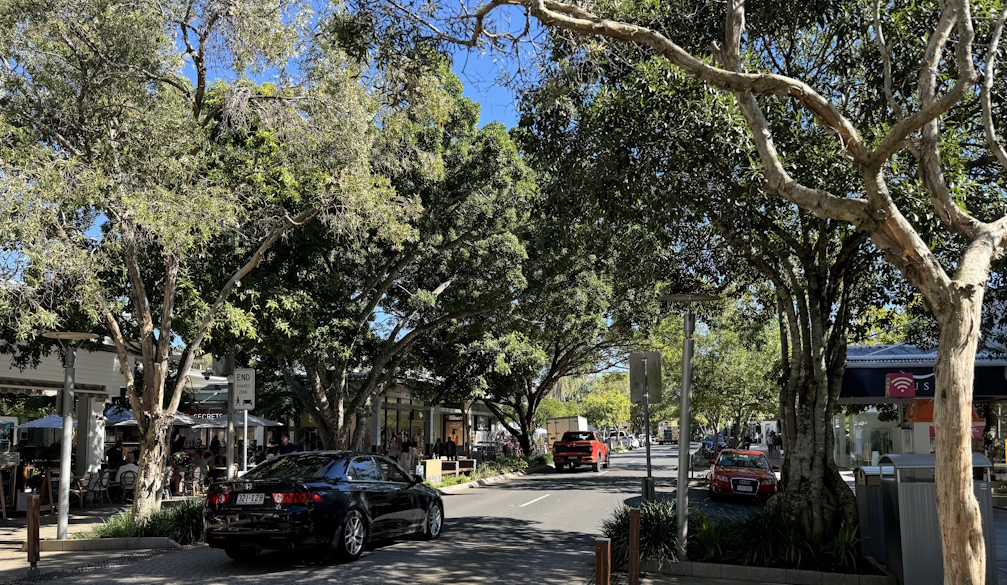
A paid-off home, dinner out without doing the sums and a holiday booked months ahead. Turn the cost-of-living story around and you can see what wealth buys in Australia. Above all, it buys room to make choices.
We spend a lot of time in this newspaper writing about interest rates, rents, petrol prices and the cost of a weekly shop. It is worth turning the story around. What does Australia look like to someone who can comfortably afford to live here?
The answer is that life can be very good indeed.
The mortgage is paid off. The car needs filling up, so you fill it. Friends suggest dinner on Saturday and you say yes without first checking what else is due that week. When the family talks about a holiday, the question is where to go.
These are ordinary pleasures. The luxury is being able to enjoy them without doing the sums every time.
The day the mortgage stops mattering
There is a world of difference between owning a home and having paid it off. A family with a large mortgage can live in an expensive suburb and feel every quarter-point rise. Once the loan is gone, an interest-rate announcement loses much of its power over the household. If you have a sizeable bank deposit, higher rates can even add to your income.
A paid-off home also gives a family something a rising property valuation alone cannot deliver. It gives them control over where they live. They can stay near friends, schools and grandchildren for as long as it suits them. They can retire without having to find the rent every fortnight. Some can help an adult child with a deposit, passing on a measure of the security they built themselves.
Two households can listen to the same Reserve Bank announcement over breakfast. By the time one has poured a second coffee, the other is already working out what it can cut.
Dinner out, petrol and the next holiday
A well-off motorist can notice the price on the bowser and forget it by the next set of lights. A shift worker with a long commute might have to carry that extra expense through to payday.
The same difference shows up in restaurants. When dinner out fits comfortably into the budget, a higher menu price might draw a comment. When the budget is tight, dinner out is one of the first things a household can drop. A restaurant can look busy at eight on a Saturday night and still be missing the regulars who used to come in on Thursdays.
Holidays reveal another side of it. There are families who can spend a week in Noosa in winter, take the children overseas in the school holidays and book a long weekend away when friends are getting together. They can take the direct flight or pay for an extra night. Money buys time together and makes it easier to coordinate lives that are already busy.

The advantages children grow up with
Parents with money have a wider choice of schools. Some of Australia’s private schools offer excellent teaching, extensive sports and arts programs, and opportunities for students to take on responsibility early. Former classmates and alumni can become contacts years later, when a young person is looking for a first job or trying to enter a profession.
Public schools produce plenty of leaders. The advantage an affluent family has is the ability to act when something is missing. It can pay for tutoring, move a child to a school that suits them better, or support a son or daughter through a period of study when earning enough to cover the rent would otherwise dictate their choices.
Health is where wealth meets its limits most plainly. A frightening diagnosis is frightening in any postcode. For a household that can comfortably pay for private health insurance, specialist fees and time away from work, there are fewer financial decisions to make at an already difficult time. The ability to stop working for a while to care for someone is itself a significant form of wealth.
Even the Mercedes in the driveway
A family can be comfortable and still worry about someone stealing the Mercedes or breaking in to get the keys. A report of an intruder wielding a machete can unsettle a street where people have spent years feeling safe. The car is replaceable. Feeling at ease in your own home can take longer to recover.
Money can pay for a better lock, a secure garage and an insurance excess. The investigation and the response to violent crime depend on public institutions that wealthy households rely on just as much as their neighbours do.
That is where government still matters, however comfortable a family is. Every deserves scrutiny for the decisions it makes on housing, spending and public services. The same standard applies to any political party. A country can be a wonderful place to live while giving its citizens plenty of reason to be frustrated with how it is run.
The Times View
Australia is a great place to bring up a family. A Saturday on a good beach, a public park where children can run around and a barbecue with friends can be among the best things about living here. What money buys is the freedom to enjoy more of that life without a rate rise, a rent increase or an unexpected bill taking something else away.
The housing debate looks different from the kitchen of a home that was paid off years ago. Parents can sit there on a Sunday afternoon and reasonably feel that Australia has been good to them. Their adult children can sit at the same table, earn decent wages and wonder whether they will ever be able to do the same. Both experiences belong in the national story.