Fuel prices ease across Australia, but diesel remains 51 cents dearer than petrol
- Written by: The Times
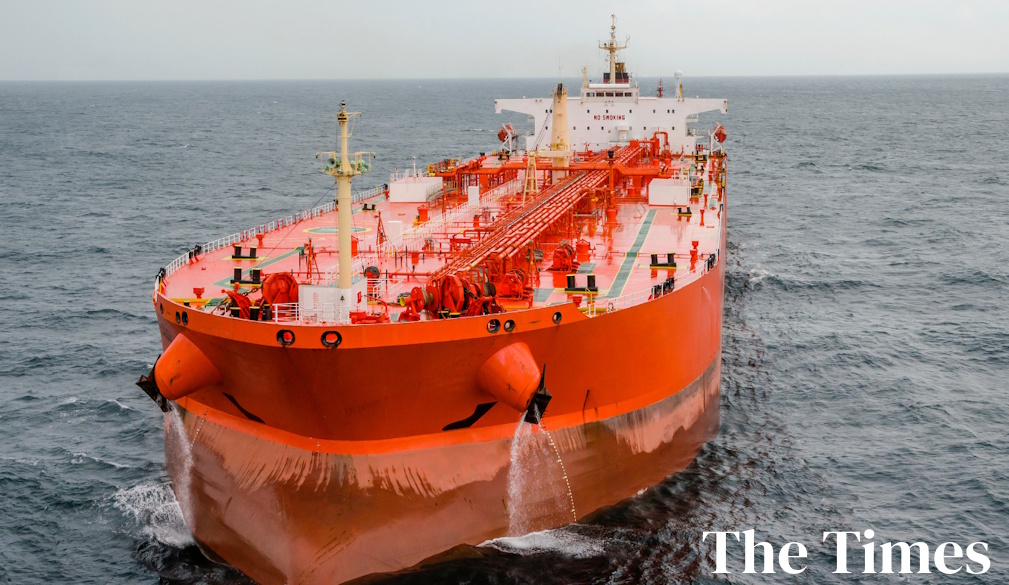
Petrol and diesel prices have fallen nationally ahead of the summer travel season. Motorists are already seeing the savings, while any relief at the supermarket will take longer.
Australian motorists are getting some relief at the bowser just as the latest inflation figures show how much rising fuel prices hurt household budgets in October.
Nationally, regular unleaded averaged $2.125 a litre in the week to 22 November, down 10.5 cents from the previous week. Diesel fell 7 cents to $2.636 a litre. At those averages, a 60-litre petrol fill cost $6.30 less than a week earlier, while the same volume of diesel cost $4.20 less.
The gap between the two fuels widened to just over 51 cents a litre. That matters beyond the service station. Diesel powers much of the road freight that keeps supermarkets and other retailers supplied, as well as many of the four-wheel drives towing caravans around Australia this summer.
Why fuel prices are falling
The weekly figures tell a more interesting story than a simple fall in world oil prices. Brent crude rose on average in Australian-dollar terms in the week to 20 November, while the Singapore benchmarks for refined petrol and diesel both fell. Those refined fuel prices are more directly linked to what Australian wholesalers pay, and domestic wholesale prices for both fuels moved lower.
Petrol and diesel trade in separate markets. Demand for diesel from freight, agriculture and industry, along with the supply available from refineries, can keep its benchmark price well above petrol’s. At the bowser, the discount cycles common in several capital cities can bring unleaded prices down faster. Retail diesel generally follows a steadier path.
The relief also varies by postcode. Regional unleaded averaged $2.21 a litre, almost 13 cents more than the metropolitan average. For households that drive long distances for work, school or shopping, both the local price and the number of litres they need matter more than the national figure.
Will cheaper diesel make groceries cheaper?
A lower diesel price reduces the cost of moving goods by road. Think of a load of fresh produce collected from a farm, taken to a distribution centre and then delivered to supermarkets. Fuel is a cost on each leg, and the distances involved can make the savings meaningful for a transport operator.
How quickly those savings reach retailers depends in part on freight contracts. Some fuel surcharges adjust regularly, while other rates are reviewed less often. Large fleets can also buy fuel on commercial terms, so the price on the service station sign is only a guide to what those operators pay.
On the shelf, freight is one part of the price alongside production, labour, packaging and refrigeration. A sustained fall in diesel can help contain the next price increase on everything from fresh food to furniture. Shoppers may see that effect in smaller increases over time, even if shelf prices hold steady in the coming weeks.
What it means for a caravan holiday
Take a diesel four-wheel drive towing a caravan over 2,000 kilometres and averaging 18 litres per 100 kilometres. It would use about 360 litres. At the latest national average, that’s roughly $949 in fuel, about $25 less than at the previous week’s price.
The longer the trip, the more a fall in diesel matters. Actual savings will depend on where travellers fill up, how much their vehicle uses under tow and whether prices hold through the school holidays. Fuel is also only one part of the trip budget, alongside caravan park fees, food and activities.
Could lower fuel prices ease inflation?
The latest Australian Bureau of Statistics figures show annual inflation rose to 4.9 per cent in October, from 4.3 per cent in September. Automotive fuel prices rose 6.3 per cent in October alone. Those figures describe the month before the latest easing at the bowser.
If lower pump prices persist and pull down the monthly average, fuel could take some pressure off headline inflation. Whether the annual inflation rate falls will also depend on what fuel cost a year earlier and what happens to other big household expenses, especially housing and electricity. Any indirect benefit from lower freight costs would likely show up more gradually.
The Times View
Motorists can bank the saving each time they fill up. The wider cost-of-living benefit depends on diesel staying lower long enough to reach freight invoices and retail pricing decisions. That makes the diesel price over the next few weeks at least as important to household budgets as the cheaper unleaded on the sign today.