How to Grow Mushrooms at Home for Beginners
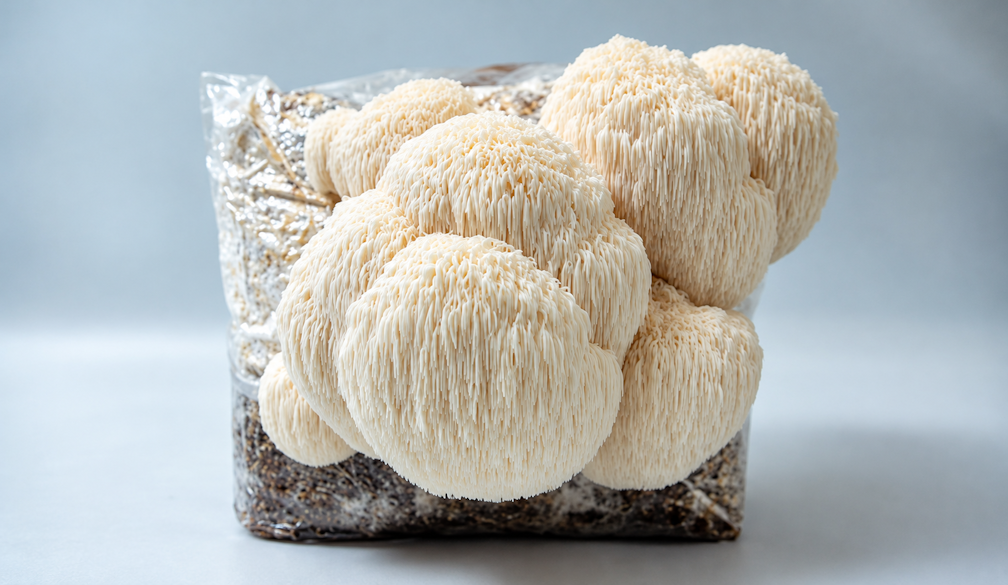
Growing mushrooms at home is a rewarding project that does not require a large garden or professional growing equipment. With a suitable growing kit, the right environment and a little regular care, beginners can learn how to cultivate different mushroom varieties in their own homes.
From oyster mushrooms and Lion’s Mane to Shiitake and Enoki, there are several varieties worth exploring. The easiest way to get started is to use a ready-to-grow mushroom kit that provides the prepared growing medium and cultivation instructions.
1. Choose the Right Mushroom Variety
The first step is deciding which mushrooms you want to grow. Different varieties have different growing requirements, so beginners should start with a kit that matches their available space and environmental conditions.
Here are some popular options for home cultivation:
|
Mushroom variety |
What Makes It Interesting |
|
Pink Oyster |
Recognisable for its bright pink colour and clustered growth |
|
Pearl Oyster |
A popular variety with attractive, fan-shaped caps |
|
Blue Oyster |
Known for its blue-grey appearance |
|
King Oyster |
Produces thick stems and broad caps |
|
Lion’s Mane |
Develops distinctive white, cascading growth |
|
Shiitake |
A well-known variety with brown caps |
|
Enoki |
Recognised by its long, slender stems |
|
Chestnut |
Produces attractive clusters of brown-capped mushrooms |
|
Reishi |
A distinctive mushroom with reddish-brown fruiting bodies |
|
Golden Oyster |
Known for its bright yellow clusters |
Oyster mushrooms are a particularly interesting starting point because there are several colour and variety options. Lion’s Mane is another choice for beginners who want to explore something different.
2. Get a Mushroom Growing Kit
Preparing mushroom substrate, sourcing quality spawn and maintaining sterile growing conditions can be challenging when starting from scratch. A ready-made growing kit simplifies the process by providing a prepared growing medium and a starting point for cultivation.
For beginners in Australia, Rootlab's mushroom grow kits offer a wide selection of varieties, including Pink Oyster, Blue Oyster, Pearl Oyster, King Oyster, Lion’s Mane, Reishi, Enoki, Shiitake and Chestnut.
There are two main growing formats available:
-
Inject & Grow: These kits use a mushroom culture injection method and a prepared growing substrate. They are an option for people who want to explore the injection-based cultivation process.
-
Spray and Grow: These kits offer another growing format, with different mushroom varieties and substrate block sizes available.
You can compare the available varieties, growing formats and product instructions to decide which kit is suitable for your first project.
3. Find a Suitable Growing Location
Mushrooms do not need a traditional garden bed or direct sunlight to grow. Many varieties can be cultivated indoors, provided their environmental requirements are met.
Choose a location that offers:
- Stable temperatures suitable for your mushroom variety.
- High humidity to prevent the growing medium from drying out.
- Indirect natural light rather than direct sunlight.
- Good airflow to provide fresh air.
- Protection from excessive heat, strong drafts and sudden temperature changes.
A spare room, suitable laundry area or sheltered indoor growing space may work, depending on the mushroom variety and conditions.
Always check the recommended temperature range for your particular kit because different mushrooms have different environmental preferences.
4. Prepare Your Mushroom Growing Kit
Once you have selected your kit, read the supplied instructions before opening or preparing it. The preparation process depends on the growing format.
For an Inject & Grow kit, follow the product-specific instructions for handling the culture and substrate. Use clean hands and a clean working surface to minimise contamination.
For a Spray and Grow kit, follow the preparation and fruiting instructions provided with the product. Some kits require specific opening or cutting instructions before mushrooms can develop.
Avoid making unnecessary changes to the substrate or packaging. The prepared growing medium is designed for the particular mushroom variety, so following the supplied directions is important.
5. Maintain the Right Humidity
Humidity is one of the most important factors in successful mushroom cultivation.
Mushrooms need moisture to develop properly, and dry conditions can affect the formation and growth of young mushrooms. However, excessive water can also create problems.
Here are some basic humidity management tips:
- Mist the growing area when necessary using a clean spray bottle.
- Avoid allowing the growing substrate to dry out.
- Do not soak the growing block or leave standing water around it.
- Monitor the environment regularly, particularly during hot or dry weather.
- Follow the humidity recommendations for your specific mushroom variety.
A humid environment with adequate ventilation is generally preferable to a completely sealed and waterlogged growing space.
6. Provide Fresh Air and Indirect Light
Mushrooms need fresh air during their fruiting stage. Insufficient airflow can affect their appearance and development, particularly in oyster mushroom varieties.
Keep the growing area ventilated without exposing the kit to strong drafts that could dry it out.
Mushrooms also benefit from indirect light during fruiting. They do not require direct sunlight like ordinary garden plants, so a naturally lit indoor location can be suitable.
Try to maintain a balance between humidity, airflow and indirect light rather than focusing on just one environmental condition.
7. Monitor Mushroom Growth
After preparing your kit, monitor it regularly and follow the recommended care schedule.
You may first notice small mushroom formations known as pins. These gradually develop into larger fruiting bodies when the conditions are suitable.
During this stage:
- Check that the growing environment remains humid.
- Maintain suitable temperatures.
- Provide sufficient fresh air.
- Avoid unnecessary handling of developing mushrooms.
- Watch for unusual colours, unpleasant smells or signs of contamination.
The time required for mushrooms to develop varies depending on the species, growing method and environmental conditions. Avoid expecting every variety to follow the same growth schedule.
8. Harvest Your Mushrooms
When mushrooms reach the recommended harvesting stage, they can be collected using clean hands or a clean knife.
For clustered oyster mushrooms, harvesting usually involves cutting or gently removing the entire cluster close to its growing base.
Different varieties have different maturity indicators, so refer to the instructions for your particular kit.
After harvesting, remove leftover mushroom material and follow the product's instructions for preparing the growing block for another potential flush. Some kits can produce additional harvests when maintained correctly, although the number and size of subsequent crops can vary.
Common Mistakes Beginners Should Avoid
Even with a ready-made mushroom kit, a few common mistakes can affect the growing process.
|
Common mistake |
How to avoid it |
|
Excessive watering |
Mist as needed instead of soaking the substrate |
|
Insufficient humidity |
Monitor moisture and maintain suitable humidity |
|
Direct sunlight |
Choose a location with indirect light |
|
Poor ventilation |
Provide regular fresh air |
|
Incorrect temperature |
Follow the requirements of the mushroom variety |
|
Handling the substrate unnecessarily |
Keep the growing area clean and minimise disturbance |
|
Ignoring product instructions |
Follow the preparation and care guidance supplied with the kit |
Paying attention to these details can make the experience easier and help beginners understand what different mushroom varieties need.
Which Mushrooms Are Best for Growing at Home?
If you are unsure which variety to choose, consider the following options:
Oyster Mushrooms: Pink, Blue, Pearl, Grey, Yellow and Chocolate Oyster varieties offer plenty of choices for home growers. They are popular options for beginners exploring mushroom cultivation.
Lion’s Mane: A distinctive variety that produces white, cascading fruiting bodies. It is an interesting choice for people who want to grow something beyond traditional oyster mushrooms.
King Oyster: Known for its thick stems and substantial caps, this variety offers a different growing and harvesting experience.
Shiitake: A recognised mushroom variety that can be cultivated using suitable prepared growing media or hardwood-based methods.
Enoki: An attractive variety with slender stems and small caps that can be an interesting addition to a home growing project.
Reishi: A distinctive mushroom with a different appearance and growing characteristics from common oyster varieties.
The best choice depends on the environmental conditions you can provide and the type of growing experience you want.
Frequently Asked Questions
Can beginners grow mushrooms at home?
Yes. Beginners can grow mushrooms at home using ready-made growing kits. These simplify the process by providing prepared growing materials and instructions, reducing the need to prepare substrate and mushroom spawn independently.
How long does it take to grow mushrooms at home?
The growing time depends on the mushroom variety, growing method and environmental conditions. Some kits can begin producing mushrooms within a few weeks, while other varieties may take longer.
Do mushrooms need sunlight to grow?
Mushrooms do not require direct sunlight. Many varieties benefit from indirect light during fruiting, alongside suitable humidity, temperature and fresh air.
Can I grow mushrooms indoors in Australia?
Yes. Many mushroom varieties can be cultivated indoors in Australia. A suitable location with stable temperatures, adequate humidity and ventilation can provide the conditions needed for home cultivation.
What equipment do I need to grow mushrooms at home?
A ready-made mushroom growing kit, a clean spray bottle and a suitable growing location are a good starting point. Additional equipment may be required depending on the growing method and mushroom variety.
Can I grow different types of mushrooms at home?
Yes. You can explore different varieties, including Pink Oyster, Blue Oyster, Pearl Oyster, Lion’s Mane, King Oyster, Shiitake, Enoki, Chestnut and Reishi. Each variety has its own growing requirements.
Start Your First Home Mushroom Growing Project
Growing mushrooms at home is a practical way to explore cultivation without needing a large garden or complicated equipment. Start with a suitable variety, prepare your growing space and follow the instructions provided with your kit.
With consistent care and the right environmental conditions, beginners can learn the basics of mushroom cultivation and explore a wide range of varieties from their own homes.