

What Makes a Robot Vacuum and Mop Worth Buying for Australian Homes?
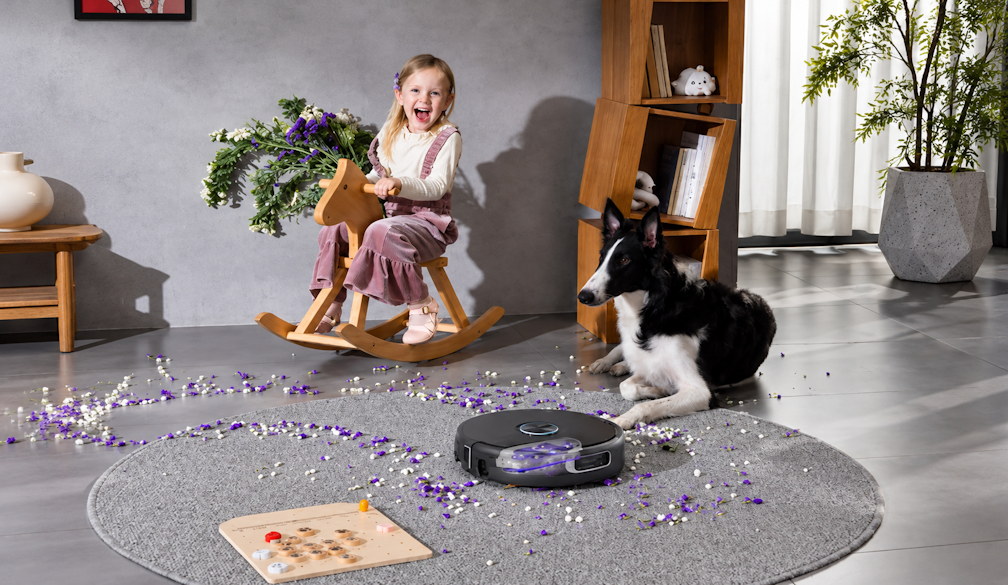
A robot cleaner can look impressive on a product page and still be a poor match for the home where it ends up. The useful questions are much simpler: What floors do you have? How often do they get dirty? Which messes take the most time to deal with? And how much attention will the machine need after each run? For Australian households weighing up an automated vacuum-and-mop combination, practical fit matters more than a single headline specification.
Begin with the mess, not the model
A compact apartment with mostly tiled floors has different needs from a larger house with carpeted bedrooms, timber hallways and a shedding dog. Think about what you actually clean each week. Is it fine dust, tracked-in grit, long hair, food crumbs or light marks on the kitchen floor? Vacuum pickup and mopping performance do not always improve together, so it helps to identify the task that matters most.
If a home has lots of carpet, evaluate carpet pickup, brush design and transitions first. If it is mostly sealed hard flooring, pay more attention to mopping action, moisture control and the way the machine separates clean water from dirty residue. None of these factors can be judged reliably from suction figures alone. A number may describe one test condition without capturing how the product behaves around a rug fringe or chair leg.
Check navigation against the shape of your home
Mapping systems help a robot learn room boundaries and plan routes, but a neat floor plan is only part of the picture. A home with dining chairs, narrow walkways, toys and pet bowls needs effective obstacle handling. Consider the device height as well: the robot may fit beneath an open coffee table but not beneath a low sofa. Door thresholds can also interrupt a cleaning route.
Look for clear manufacturer information on floor maps, room selection, virtual boundaries, carpet handling and supported threshold heights. Also ask whether the home’s Wi-Fi arrangement suits the device. Smart functions are only useful when they remain understandable and reliable in everyday use.
Assess what the mop actually does
Some machines drag a damp pad, while others use rotating or other powered mopping mechanisms. A combination model may lift its mop over carpet, avoid carpet while mopping or require the owner to designate no-mop areas. Those are not interchangeable features. If you have rugs adjoining kitchen tiles, check exactly how the device keeps wet components away from the textile.
The robot vacuum and mop for a household is therefore the one whose cleaning method suits its real flooring and routine, rather than whichever product sits at the top of a generic list. Brands such as Narwal offer different robot and floor-cleaning systems, illustrating why buyers should compare specific models and their intended uses rather than treat every two-in-one cleaner as equivalent.
A self-cleaning dock is convenient, not invisible
A dock may refill water, wash mop pads, dry components or transfer collected dust, depending on the model. These features can reduce routine handling, especially in larger homes. But they introduce their own questions: How much floor space does the station occupy? How often are tanks emptied? Are proprietary bags or cleaning products required? Can the unit sit on a protected, level surface near power?
Think about the path between the cleaning area and its dock, including whether a narrow laundry corner leaves enough space for the robot to turn. If you rent or move frequently, the overall footprint may be as relevant as the automation features. The ongoing cost of replaceable consumables also belongs in the buying decision.
Match the schedule to the people living there
A household with children might value obstacle handling and easy room-by-room scheduling. Pet owners may prioritise hair pickup and brush maintenance. Someone living alone may simply want a reliable cleaner to run during work hours. These are different definitions of convenience. It is useful to imagine a normal Tuesday rather than an unusually tidy demonstration room.
Check the controls as carefully as the hardware. A clearly organised app, accessible maintenance reminders and sensible manual overrides may save more frustration than another niche cleaning mode. Consider noise during cleaning and dock maintenance if the machine will run when people are at home.
Consider support and replacement parts before settling on a particular model. Consumables such as filters, mop pads and bags may be inexpensive individually but become a regular ownership expense. Check whether the parts are available locally and whether the manufacturer publishes clear maintenance instructions. A machine with manageable upkeep often provides more lasting convenience than a feature that only looks impressive on the first day.
It can help to write down three non-negotiables and three nice-to-haves. For example, safe rug handling, enough clearance below the sofa and dependable room mapping might matter more than a particular app animation. This exercise is also useful when comparing promotional bundles. A discounted accessory pack is only valuable when it matches the cleaning routine you actually plan to use.
Make a fair comparison before paying
Choose two or three candidates and compare them using the same home-specific criteria: compatible surfaces, obstacle management, wet-cleaning method, dock features, dimensions, replacement supplies and local support. Verify the current product specifications, availability and warranty terms on the Australian seller’s website rather than relying on old promotional comparisons.
A robot cleaner is worth buying when it removes a recurring chore without creating an equally demanding one. Choosing around actual floors, room layouts and household habits gives you a better chance of achieving that balance than chasing the longest feature list.