The Importance of Regular Fire Safety Equipment Servicing in Melbourne Workplaces
- Written by: The Times
Introduction
When it comes to workplace safety, few responsibilities are as critical as fire prevention and protection. A fire can break out suddenly, and the effectiveness of your fire safety equipment may determine whether it remains a minor incident or escalates into a major crisis. In Melbourne, businesses across every sector are required to comply with strict safety regulations, but compliance is only the beginning. Regular servicing and maintenance of fire safety equipment is essential for both legal compliance and genuine peace of mind.
Why Fire Safety Servicing Matters
Fire safety equipment such as extinguishers, hose reels, alarms, and sprinkler systems are only effective if they function correctly at the moment they are needed. Over time, equipment can become damaged, outdated, or non-compliant with updated standards. Dust, corrosion, battery failure, and general wear can all reduce effectiveness.
Regular servicing ensures that every piece of equipment is tested, repaired if necessary, and maintained to perform as expected during an emergency. Skipping inspections, on the other hand, leaves businesses vulnerable not only to fines but also to devastating losses should a fire occur.
Workplace Compliance in Melbourne
In Australia, fire safety standards are set by both state and federal legislation. Melbourne businesses must follow the Australian Standard AS1851, which outlines inspection and maintenance requirements for essential fire safety measures. Building owners and managers are legally obligated to ensure equipment is in good working order and inspected at set intervals.
Beyond legal obligations, being proactive about fire safety builds trust with employees, customers, and clients. A safe workplace signals professionalism and care, while negligence can damage both reputation and operational continuity.
Common Fire Safety Equipment That Requires Servicing
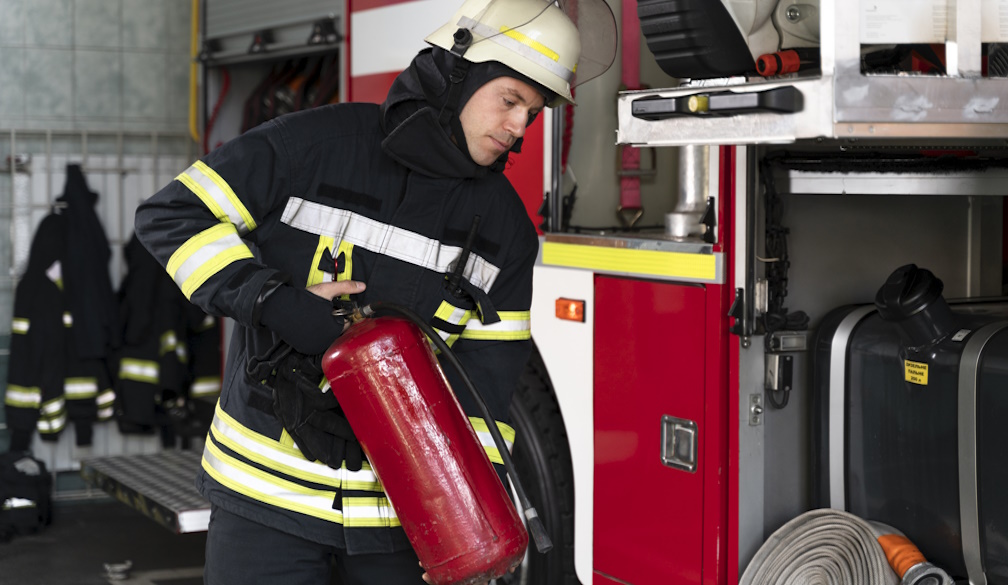
- Fire Extinguishers – Portable extinguishers need six-monthly checks and should be pressure-tested and refilled as needed.
- Smoke Alarms and Detectors – Must be tested regularly to ensure sensors and batteries are working.
- Fire Hose Reels and Hydrants – Require testing for water flow and pressure.
- Emergency Lighting – Critical for guiding people to safety in case of evacuation.
- Sprinkler Systems – Inspections confirm that sprinkler heads are clear and functioning properly.
Each of these systems is part of a broader fire safety plan, and any weakness compromises the whole.
The Cost of Neglect
The costs of neglecting fire safety servicing far outweigh the savings of skipping inspections. Non-compliance penalties in Victoria can be severe, but more importantly, inadequate safety equipment can lead to injuries, property damage, and legal liability. Insurance companies may even deny claims if businesses fail to prove compliance with maintenance schedules.
Consider a scenario where a fire extinguisher has not been serviced and fails during an emergency. The incident could escalate, resulting in damage not just to property but also to employee safety and brand reputation.
How Often Should Equipment Be Serviced?
- Extinguishers and hose reels: every 6 months
- Emergency lights: every 6 months
- Sprinkler systems: at least annually
- Comprehensive inspections: every 5 years, including hydrostatic testing of pressure vessels
Keeping a digital logbook or maintenance schedule helps businesses stay on track with these requirements.
Benefits Beyond Compliance
Regular servicing isn’t just about ticking boxes for regulators. It offers tangible benefits:
- Risk reduction: Minimises the chance of uncontrolled fires.
- Cost savings: Prevents small equipment issues from becoming major replacements.
- Insurance advantages: Helps with smoother claims processes.
- Peace of mind: Employees and managers can focus on business growth, not safety worries.
Conclusion
Fire safety should never be treated as an afterthought. Regular servicing of essential equipment protects people, property, and livelihoods. For businesses, it’s a balance between compliance and responsibility. By prioritising inspections and scheduled maintenance, workplaces in Melbourne can confidently reduce risks and safeguard their operations.
If you’re managing a business in Victoria, it’s time to consider the importance of fire safety equipment servicing Melbourne as part of your long-term protection strategy. A small investment in maintenance today could prevent devastating losses tomorrow.