Why Australian Businesses Are Turning to Telematics for Smarter Operations
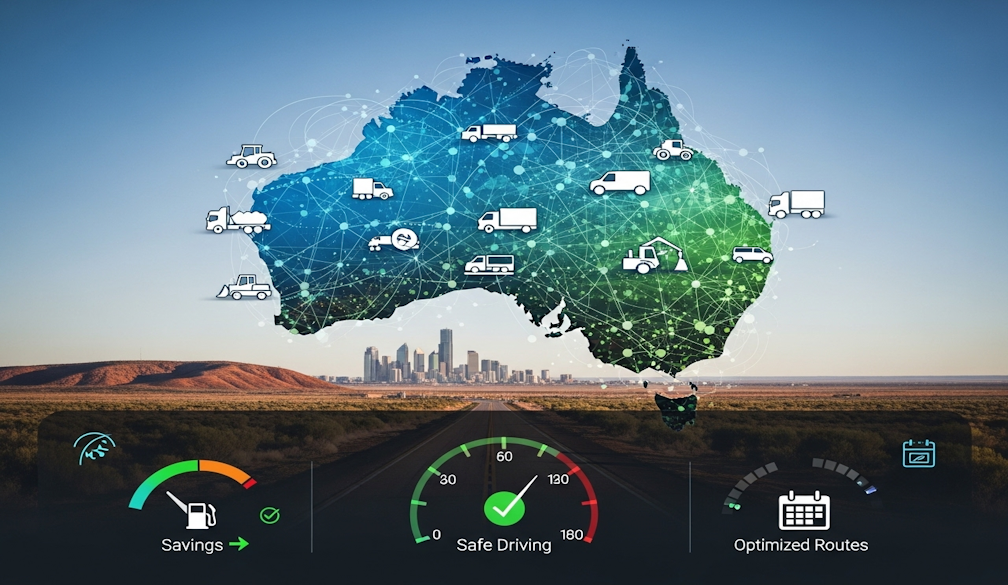
Telematics—the marriage of telecommunications and informatics—is swiftly reshaping how Australian businesses manage their fleets, assets, and mobile staff. Driven by the necessity to combat escalating operational costs, meet stringent safety regulations, and satisfy ever-increasing customer demands, real-time data from telematics systems is no longer a luxury, but an essential tool for smarter, data-driven operations across the nation. The commercial telematics market in Australia is experiencing significant growth, a clear indicator that businesses are embracing this technology to gain a competitive edge. Leading global firms, such as Radius, are focusing their attention on this rapidly expanding market, offering sophisticated, integrated solutions.
Driving Down Operational Costs and Boosting Efficiency
For Australian businesses, especially in the vast transport, logistics, and construction sectors, efficiency is paramount. Telematics provides granular data that directly impacts the bottom line, delivering a strong Return on Investment (ROI).
- Fuel Savings and Route Optimisation: Telematics uses GPS tracking and real-time traffic analysis to automatically suggest the most efficient routes. This avoids congestion and, critically, minimises idling and unnecessary mileage, which can lead to fuel savings of 10% to 20% for some fleets. Providers like Radius Telematics offer solutions that integrate with fuel card data, giving fleet managers a single, comprehensive view of fuel consumption, mileage, and driver performance.
- Predictive Maintenance: By continuously monitoring vehicle diagnostics like engine health and fluid levels, telematics enables proactive maintenance. Fleet managers receive alerts about potential mechanical issues before they escalate into costly breakdowns. This approach ensures vehicles spend less time in the garage, extending their lifespan and reducing expensive emergency repairs.
- Maximising Asset Utilisation: Real-time data provides clarity on how vehicles and equipment are being utilised. By tracking usage and optimising routing, businesses can ensure their assets are working to their maximum potential, often reducing the need to acquire additional vehicles.
- Reduced Administrative Burden: Telematics automates data collection and reporting for tasks such as logbooks and tax claims (like the Fuel Tax Credit), significantly reducing the administrative overhead and allowing managers to focus on strategic tasks.
Adhering to Stringent Safety and Compliance Rules
The safety of drivers and adherence to Australian transport law, such as the Chain of Responsibility (CoR) legislation for heavy vehicles, are mandatory. Telematics is crucial for establishing a safer, more compliant workplace.
- CoR Compliance and Fatigue Management: The CoR laws dictate that responsibility for safe heavy vehicle operation is shared across the entire supply chain, not just with the driver. Telematics provides the auditable data required to demonstrate that a business has taken all 'reasonably practicable' steps to prevent breaches. This includes tracking driving hours and monitoring fatigue, often through certified Electronic Work Diaries (EWDs) that automate logbooks for interstate heavy vehicles.
- Driver Behaviour Monitoring: Telematics systems track and score driving habits, flagging risky behaviours such as harsh braking, rapid acceleration, and speeding. This data enables targeted coaching and training programmes, leading to safer driving practices and a recorded reduction in accident rates.
- Video Telematics: The integration of AI-enabled dashcams provides video evidence that offers crucial context in the event of an incident. Solutions like those offered by Radius capture HD-quality footage which can be remotely downloaded. This protects the business against false claims, expedites insurance settlements, and helps with driver coaching.
- Lower Insurance Premiums: As telematics data demonstrates improved safety records and reduced risk, many Australian insurers now offer discounted premiums for commercial fleets fitted with these sophisticated systems.
Improving Customer Experience and Logistics
In the modern logistics environment, customers expect fast, accurate service. Telematics is the key to delivering this reliability.
- Accurate Estimated Times of Arrival (ETAs): Real-time GPS tracking allows dispatchers to know the precise location of every vehicle. This enables them to provide customers with highly accurate ETAs, enhancing customer satisfaction and allowing better overall logistics management.
- Rapid Emergency Response and Theft Recovery: In scenarios requiring urgent attention, telematics ensures the closest vehicle is dispatched to a job site or emergency, dramatically improving response times. Furthermore, the GPS capabilities of devices from global providers such as Radius act as a powerful deterrent against vehicle and asset theft and significantly improve the chances of rapid recovery.
The Connected Future of Australian Fleets
Telematics adoption in Australian fleets is on a steep upward trajectory, moving beyond simple GPS to embrace truly smart solutions. The market is being driven by next-generation technology:
- Integration with AI: Artificial Intelligence and machine learning are being embedded to analyse the huge volume of data collected, providing predictive analytics for maintenance and even more refined route and logistics optimisation.
- 5G Connectivity: The migration from older 3G networks to 4G and 5G is a major trend, enabling faster, more reliable data transfer and supporting advanced telematics features like high-definition video streaming.
- EV Readiness: As the country shifts towards electrification, telematics solutions are adapting to monitor the specific needs of Electric Vehicle (EV) fleets, including battery health, charging status, and range optimisation, which are critical for effective EV fleet management in Australia’s vast distances.
By leveraging the power of connected technology, Australian businesses are not just tracking vehicles—they are fundamentally optimising their entire operation. Telematics is proving to be the essential tool for driving smarter, safer, and more profitable business practices across the continent.