Keeping Seniors Safe at Home: Preventing Falls and Understanding Legal Options
- Written by: Times Media
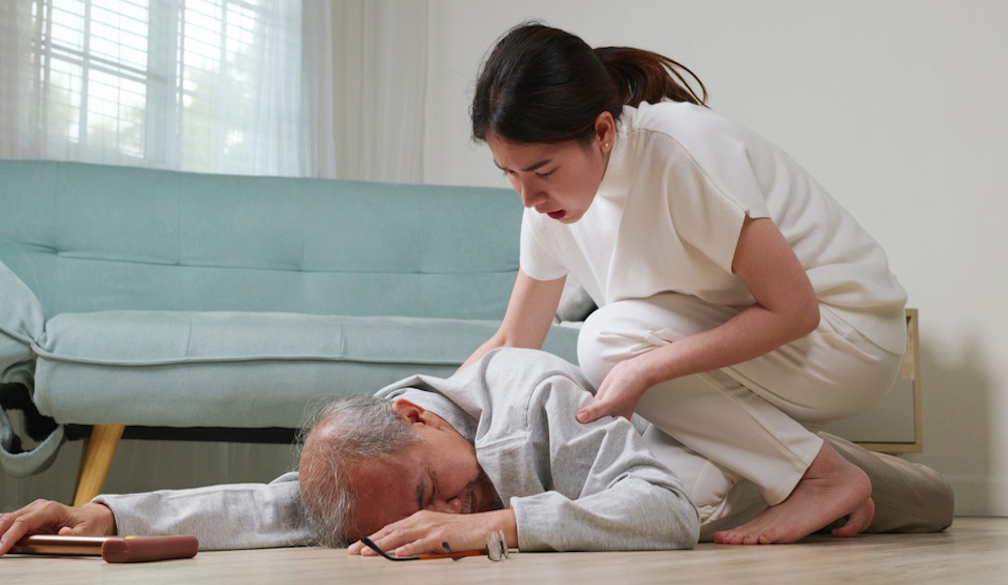
Home is supposed to be a place where older adults feel comfortable, independent and secure. Yet everyday features such as slippery floors, loose rugs, poor lighting, stairs and clutter can create hazards that are easy to overlook. The need for safe home environments is becoming increasingly important as the older population grows. Families may need to think about everything from flooring and bathroom safety to how an injury should be handled if it happens because of a dangerous condition.
Make the Home Safer for Older Adults
A safe home doesn't necessarily require a major renovation. Often, small changes can make everyday spaces easier to navigate. Start by looking at areas where a person is most likely to lose their balance, trip or have difficulty moving from one surface to another.
Bathrooms deserve particular attention because water can make floors slippery. Grab bars near toilets and showers, nonslip surfaces, adequate lighting and easy access to frequently used items can help reduce unnecessary risks. Stairs should also have secure handrails and sufficient lighting, while frequently used pathways should remain free of boxes, cords, furniture and other obstacles.
Flooring can be another important consideration. Loose rugs may shift underfoot, while transitions between different types of flooring can create tripping points. Homeowners can look for loose edges, uneven surfaces, damaged flooring or areas that become slippery when wet.
According to the U.S. Census Bureau, approximately 61.2 million people in the United States were age 65 or older as of 2024. With such a large older population, creating safer living environments can benefit millions of households.
Family members can walk through the home with safety in mind and consider how an older adult uses each room. Rather than simply looking for obvious hazards, think about daily routines. Is there enough light for someone getting up at night? Are frequently used items easy to reach? Can the person safely enter and exit the shower? Does furniture leave enough room for movement?
These questions can help families identify potential problems before they contribute to an accident.
Take Slip & Fall Hazards Seriously
Falls can happen quickly but their consequences can last much longer. An older adult who falls may experience an injury that affects mobility, independence and confidence. Even when an injury appears minor initially, it can sometimes interfere with normal activities and require additional care.
The risks associated with falls are significant across the population. According to the National Flooring Safety Institute, slip and fall accidents account for approximately one million emergency room visits in the United States every year. That figure highlights why flooring conditions and other household hazards deserve serious attention.
Homeowners should regularly inspect floors, especially in areas exposed to water or heavy foot traffic. Damaged tiles, loose carpeting, raised edges and uneven surfaces can all create potential problems. Spills should be addressed promptly and frequently used walkways should remain clear.
Pets can create another potential hazard. An older adult may trip over a pet that suddenly moves into their path, particularly in narrow spaces. Keeping pathways open and teaching pets to avoid certain areas can help.
Prevention should also involve communication. Older adults may hesitate to mention that they are struggling with a particular part of the home because they don't want to give up their independence. Families can approach the conversation as a way to support independence rather than restrict it.
The objective isn't to eliminate every possible risk. It's to identify preventable hazards and make reasonable changes that allow older adults to move through their homes with greater confidence.
Understand Your Options After an Injury
Even careful homeowners cannot prevent every accident. If an older adult is injured because of a dangerous condition on someone else's property, questions about responsibility may arise. Depending on the circumstances, the injured person or their family may need to determine whether another party could be legally responsible for the condition that caused the accident.
Documentation can be valuable after an injury. Photographs of the area, information about what happened, witness contact details, medical records and other relevant documents can help preserve information about the incident. If the accident occurred in a business, rental property or another person's home, identifying who controlled the property may also matter.
When a dispute becomes a legal matter, an initial court decision isn't automatically overturned just because one side disagrees with it. According to the Judicial Council of California's 2017 Court Statistics Report, only 11 percent of appealed civil cases were reversed during fiscal year 2016. An appeal generally focuses on whether legal or procedural errors occurred, rather than simply giving someone a chance to start the case over.
Because personal injury and premises liability laws can vary by state, the appropriate legal options depend on the specific circumstances. Families should avoid assuming that every fall creates a valid legal claim or that every injury automatically results in compensation.
At the same time, an injury shouldn't be dismissed simply because it happened in an ordinary setting. A safer home can help prevent many accidents but knowing what to document and where to turn when something goes wrong can help families protect an older loved one's interests.