

Understanding Garage Door Repairs and Maintenance in Sydney
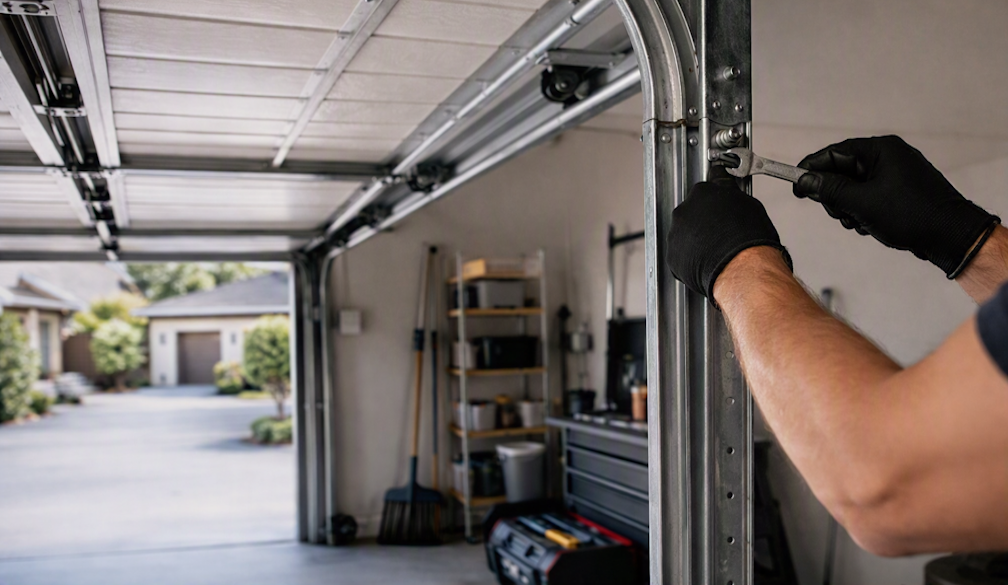
Garage doors are among the largest moving components in many Australian homes, yet they often receive little attention until something stops working. A garage door may be opened and closed several times a day, exposing its springs, rollers, cables, tracks and operating mechanisms to continuous movement. Over time, ordinary wear, moisture, dust and accidental impacts can affect how smoothly the system operates. Sydney’s varied climate can also contribute to corrosion and material deterioration, particularly in areas exposed to coastal air. Understanding how garage doors work, why common faults develop and when maintenance becomes necessary can help homeowners recognise problems before they become more complicated.
Why Garage Doors Develop Faults
A modern garage door relies on several components working together. Springs help counterbalance the weight of the door, while rollers guide it along tracks. Cables, hinges and brackets support movement, and an electric opener may control the door automatically. Because these components perform different functions, a problem with one part can affect the operation of the entire system.
Daily use is one of the simplest explanations for garage door deterioration. Components experience repeated movement, and small amounts of friction or misalignment can gradually become more noticeable. Dirt accumulating around tracks, loose hardware and worn rollers may initially create minor operating issues. If these conditions continue, they can place additional stress on other components.
Sydney Conditions and Garage Door Wear
Sydney’s environment can influence the condition of garage door components. Coastal locations, for example, expose metal parts to salt-laden air, which can contribute to corrosion when protective coatings deteriorate. Humidity and rainfall can also increase moisture exposure, while periods of high temperatures may affect certain materials and lubricants.
These environmental factors do not necessarily cause immediate failure. Instead, deterioration can develop gradually. Regular visual inspections can therefore be useful for identifying surface rust, damaged seals, deteriorating cables or other visible changes. The extent of wear will depend on the door’s materials, location, age and frequency of use.
Common Problems Found in Garage Doors
Some garage door faults occur more frequently than others. Noisy operation can indicate worn rollers, loose hardware or insufficient lubrication, although unusual sounds can have several possible causes. A door that becomes difficult to lift or appears uneven may also indicate an issue with its balance or supporting components.
Another common problem involves the tracks. When tracks become bent, obstructed or misaligned, rollers may struggle to move correctly. This can cause the door to drag, stop partway or operate with noticeable resistance.
Automatic garage doors introduce additional potential faults. Sensors, remote controls, wiring and opener motors can all experience problems. In some cases, the door itself may be mechanically sound while the automatic operating system is responsible for the failure.
Understanding Springs and Cables
Springs play an important role in counterbalancing a garage door. They store considerable mechanical energy and are designed according to the weight and configuration of the door. Cables work alongside other components to support controlled movement.
Because these parts operate under substantial tension, their condition should not be treated like an ordinary household maintenance issue. A visibly damaged spring or frayed cable can indicate a mechanical problem that requires appropriate assessment.
Information about Sydney garage door repair commonly covers components such as springs, cables, rollers, and tracks because faults in these areas can affect both operation and safety. Understanding the function of each component can also help homeowners describe a problem more accurately when seeking technical advice.
When a Garage Door May Need Attention
Changes in normal operation are often the first indication that a garage door needs inspection. Warning signs can include grinding sounds, unusual vibration, uneven movement, delayed opening or closing, and visible damage to panels or hardware.
A door that repeatedly stops during operation may have a mechanical or electrical issue. Similarly, a remote control that suddenly stops working may not necessarily mean that the opener itself has failed. Batteries, signal interference, sensors and other electrical components can produce similar symptoms.
It is also worth paying attention to changes that appear gradually. A door that becomes slightly noisier over several weeks may be showing early signs of component wear, even if it continues to operate.
Repair, Adjustment and Component Replacement
Garage door maintenance does not always involve replacing major components. Depending on the cause of a problem, a repair may involve adjusting hardware, realigning tracks, replacing worn rollers or addressing an electrical fault.
In other situations, a component may have reached the end of its service life. Springs, cables, rollers and some opener components can eventually require replacement. The appropriate solution depends on factors such as the door’s design, component condition and overall age.
Replacing a single worn part may resolve a problem when the remaining system is in good condition. However, an older door with multiple deteriorating components may require a broader assessment to determine whether continued repairs are practical.
Safety Considerations During Repairs
Garage doors combine heavy moving sections with mechanical components that can store significant energy. This makes certain repair tasks considerably more complex than routine household maintenance.
Simple visual checks and cleaning can usually be incorporated into general home maintenance. However, working directly with tensioned springs, cables or powered mechanisms can present serious risks if the correct procedures and equipment are not used.
For this reason, homeowners should distinguish between basic maintenance and mechanical repair. A problem that appears minor may involve a component carrying substantial load, making professional assessment appropriate when the cause is uncertain.
How Regular Maintenance Can Help
Preventive maintenance can identify deterioration before it develops into a larger operating problem. A basic inspection can include looking for visible corrosion, damaged panels, loose hardware and obstructions around the tracks.
The door’s movement can also provide useful information. Changes in balance, increased noise or hesitation during operation may indicate that components are beginning to wear. Keeping the tracks reasonably clean can reduce the accumulation of dirt and debris around moving parts.
Lubrication may also be appropriate for certain components, although the correct product and application method depend on the garage door system. Excessive or unsuitable lubrication can attract dirt rather than improve operation.
Garage Door Maintenance in Different Sydney Homes
Garage doors vary considerably between properties. Some homes use sectional doors, while others have roller, tilt or custom-designed systems. Materials can also differ, including steel, aluminium, timber and composite products.
The location of a property can influence maintenance requirements as well. Homes closer to the coast may need greater attention to corrosion, while properties surrounded by trees may experience more debris around tracks and exterior components.
The age of the installation is another consideration. Older systems may use different components and operating mechanisms from newer automatic doors. Consequently, maintenance practices should be based on the specific door rather than applying the same approach to every installation.
Looking at the Long-Term Condition of a Door
Repair is only one part of maintaining a garage door. Over time, homeowners may need to consider whether repeated faults are isolated incidents or signs of broader deterioration.
A relatively new door with one worn component may only require a straightforward repair. In contrast, an older system with recurring mechanical and electrical problems may warrant a more detailed evaluation. Factors such as reliability, component availability, safety and the expected remaining service life can all influence future decisions.
Understanding these factors allows garage door maintenance to become a planned part of property upkeep rather than an issue addressed only after an unexpected failure.
Final Thoughts
Garage doors operate through a combination of mechanical and electrical components, making their condition dependent on regular use, environmental exposure and the age of the system. In Sydney, coastal air, humidity, rainfall and temperature changes can add to the normal wear experienced by moving parts.
Recognising unusual sounds, uneven movement, visible corrosion and other changes can help identify potential problems at an earlier stage. Routine inspections and appropriate maintenance can also support reliable operation over the longer term. Where a fault involves tensioned components, electrical systems or significant structural damage, the complexity of the repair should be considered carefully rather than treating it as a simple household adjustment.










