Why Termites Are Often Found Too Late in Brisbane Homes
- Written by: Times Media
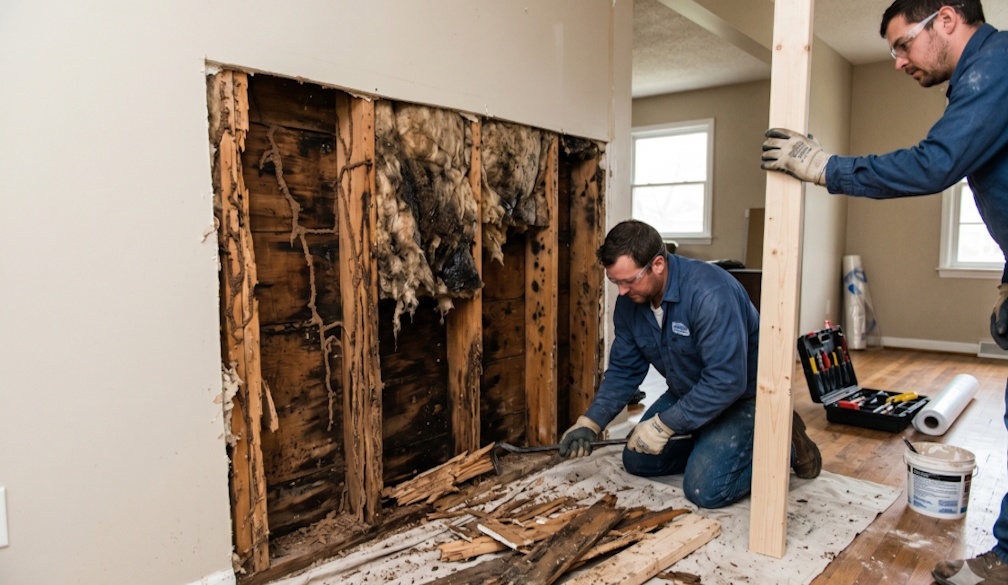
Termite damage is rarely discovered early. Across Brisbane, many homeowners only realise there’s a problem once visible changes begin to appear - and by that point, the damage has often been developing for months.
It’s not because the signs aren’t there. It’s because they’re easy to miss, misread, or dismiss as something minor. Termites work quietly, and the conditions that allow them in often go unnoticed at the same time.
Hidden Activity Is More Common Than People Think
Unlike other household issues, termite activity doesn’t usually start with something obvious.
There’s no sudden break, no immediate failure. Instead, termites move slowly through timber, staying out of sight and feeding from the inside out.
In Brisbane, conditions make this even more likely. Warm temperatures and moisture allow termites to remain active for extended periods, often without interruption. In many cases, termites can remain hidden for several months at a time while continuing to cause damage internally.
Why This Is Happening More Often Now
Environmental conditions are playing a key role.
Periods of humidity, combined with moisture around homes, are creating stable conditions for termite colonies to grow and spread. After periods of rain followed by warmer weather, termite activity can increase and remain active for longer than many homeowners expect.
Homes with the following conditions are more likely to support hidden termite activity:
- Damp subfloors
- Moist soil around foundations
- Poor ventilation in enclosed spaces
Because these conditions are often out of sight, they’re rarely addressed early.
What Experts Are Seeing on the Ground
Pest professionals are seeing a consistent pattern across Brisbane homes.
“Most of the time, people call us when something has already changed - a door stops closing properly, or timber starts to feel different,” says Eddy, owner of EPM Pest Control. “But when we inspect it, the activity hasn’t just started. In many cases, it’s been there for several months before it’s detected.”
He says the biggest challenge is not the termites themselves, but how long they go unnoticed.
“They don’t leave obvious signs early on. By the time something looks wrong, the damage has already been building in the background.”
A Subtle Change That Pointed to a Bigger Issue
In one Brisbane property, a homeowner noticed a slight dip in the floor near a hallway. It wasn’t dramatic, and there were no cracks or visible damage.
At first, it was put down to normal settling.
Over time, the area became slightly softer underfoot. The change was gradual and didn’t seem urgent, so it wasn’t investigated straight away.
When a pest inspection was eventually carried out, termite activity was found beneath the flooring. The damage had developed internally, affecting the structure without showing clear external signs.
The issue had been progressing over several months before it was discovered.
The Signs That Are Often Overlooked
Early signs of termite activity are usually subtle and easy to dismiss.
Common indicators include:
- Timber that sounds hollow when tapped
- Small surface cracks or uneven paint
- Doors or windows that begin to stick
- Slight movement or softness in flooring
- Mud tubes along walls or foundations
These signs are often mistaken for general wear, seasonal changes, or minor building movement.
Because they don’t feel urgent, they’re rarely acted on immediately.
Why These Problems Are Missed Early
There are a few reasons termite issues are commonly discovered late.
- The damage happens internally before becoming visible
- The signs develop slowly over time
- There’s no immediate disruption to daily living
- Many symptoms resemble normal household changes
Without clear, obvious damage, it’s easy to assume everything is fine.
In many cases, by the time action is taken, termite activity has already been present for an extended period.
Why Timing Makes a Significant Difference
Once termites establish themselves in a property, they continue feeding and expanding their activity.
They don’t stop on their own. The longer they remain undetected:
- The more widespread the damage can become
- The more structural areas may be affected
- The more complex the repairs can be
What begins as a small, hidden issue can gradually affect larger sections of the home over time.
What This Means for Homeowners
One of the biggest challenges with termites is that they are often present long before they are noticed.
Homes can appear completely unaffected while activity continues behind walls or under floors. In many cases, the first visible sign comes well after the initial damage has already started.
Understanding how and where termites operate can help homeowners recognise early changes that might otherwise be overlooked, and EPM Pest Control has seen how often delayed detection leads to more extensive damage.
Why Early Awareness Can Change the Outcome
Termite problems are not usually sudden. They develop gradually, often over several months, without clear warning.
EPM Pest Control has seen many cases where activity had been present well before any visible signs appeared. In many of these situations, the issue could have been identified earlier if subtle changes had been investigated sooner.
If something in your home doesn’t seem quite right, even if it feels minor, it may be worth speaking with a local expert who can help you understand what’s happening and whether further inspection is needed.
Because with termites, the real issue isn’t always how they start, it’s how long they go unnoticed.