The Food Lover's Guide to Aging and Storing Fine Australian Wines
For epicureans and dedicated dinner party hosts, few things are as satisfying as uncorking a perfectly aged bottle of wine to accompany a carefully curated menu. A matured Australian Shiraz from the Barossa Valley or a beautifully developed Margaret River Chardonnay can transform an ordinary evening meal into an unforgettable culinary event. The right vintage brings an unparalleled level of sophistication to the dining table, elevating the entire atmosphere of the room. However, reaching that moment of gastronomic perfection requires far more than just buying an expensive bottle at the local shop and opening it immediately. It demands genuine patience, a deep appreciation for how flavours meld over the years, and a strict adherence to proper cellaring techniques.
The Delicate Science of Maturation
Great wine is essentially a living, breathing entity that changes continuously within the bottle. Over time, the aggressive, grippy tannins in a robust red will soften beautifully, while primary fruit flavours evolve into incredibly complex tertiary notes of leather, tobacco, cedar, or forest floor. White wines also transform, gaining rich, honeyed, and nutty characteristics that add immense depth. But this evolution is highly fragile. Exposing a prized vintage to the wrong environment can ruin years of careful aging in mere moments. As research from the Australian Wine Research Institute highlights, thermal cycling and temperature fluctuations can rapidly degrade a wine's sensory properties. Even a short spell of extreme summer heat can cause irreversible visual and structural damage to your favourite drop, cooking the wine and destroying its delicate balance.
Creating the Ideal Environment for Your Collection
Knowing the science behind maturation is one thing, but applying it successfully at home often proves to be a significant logistical challenge. Many food lovers start their collection by keeping bottles in a stylish kitchen rack or tucked away in a spare cupboard. Unfortunately, they soon find that ambient household temperatures fluctuate wildly between the intense heat of an Australian summer and the brisk chill of winter nights. This constant expansion and contraction of the liquid pushes air past the cork, leading to premature oxidation and spoilage.
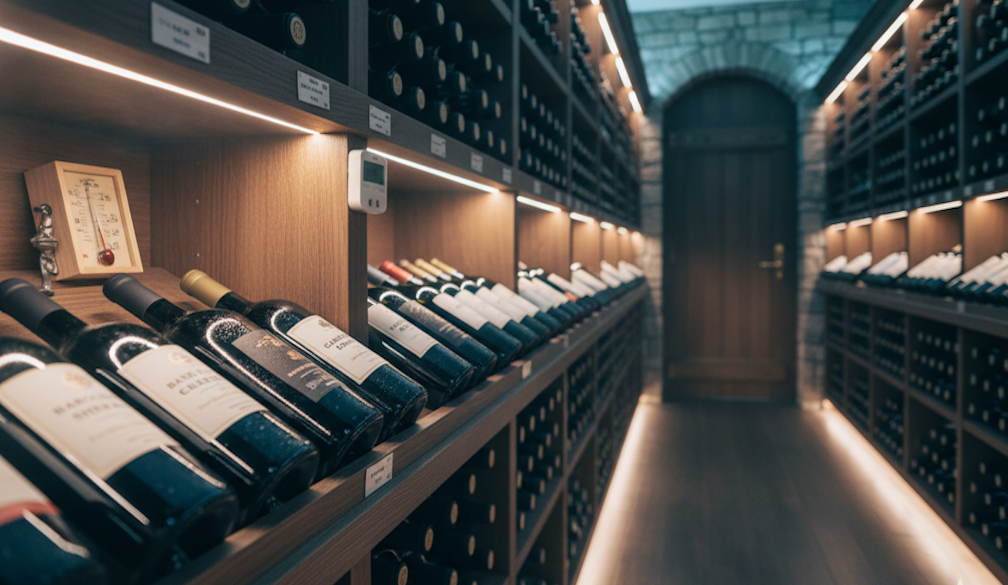
If you want to protect your liquid investments and ensure your wines reach their absolute peak potential, you must eliminate these environmental risks entirely. For serious collectors and culinary enthusiasts who lack a naturally cool, humidity-controlled underground cellar, sourcing the best wine storage in a professional facility is the safest way to guarantee pristine provenance. Offsite cellaring ensures that both temperature and humidity remain perfectly constant year-round. It also allows the wine to rest completely undisturbed in total darkness, free from the harmful ultraviolet light and vibrations that can unsettle the aging process, until you are ready to plan your next gourmet dinner party.
Crafting a Menu Around Your Prized Bottles
Once you have patiently aged your wine and brought it home for a special occasion, the next critical step is designing a meal that honours its complexity. Older wines often require much more delicate food pairings than their youthful, fruit-forward counterparts. Because their nuanced flavours have softened, they can easily be overpowered by aggressively spiced, excessively garlicky, or overly rich dishes. A mature Pinot Noir, for instance, pairs beautifully with earthy mushroom risotto or a subtle duck breast, while an aged Riesling is spectacular alongside delicate shellfish or a lightly seared scallop.
Whether you are seeking the ideal cut of dry-aged beef for your softened Cabernet Sauvignon or looking for culinary inspiration in a comprehensive Australian wine guide, the fundamental key is balance. You want to let the aged wine take centre stage, using complementary, seasonal ingredients that enhance rather than compete with the liquid in the glass. The goal is to create a seamless bridge between the plate and the palate, where neither the food nor the wine dominates the conversation.
Essential Serving Tips for Aged Vintages
When the evening finally arrives, treating your matured wine with the utmost care will maximise your guests' enjoyment. Keep these final preparation steps in mind before pouring the first glass:
- Stand the bottle upright: Do this at least twenty-four to forty-eight hours before opening. This allows any fine sediment that has formed naturally during the aging process to settle safely at the base of the bottle.
- Master the decant: Older wines are incredibly delicate. Decant them gently just to separate the clear wine from the sediment. Avoid leaving them exposed to the air for too long, as their fragile, fleeting aromas can dissipate surprisingly quickly.
- Check the serving temperature: Serve complex reds slightly below room temperature (around 16 to 18 degrees Celsius) to keep the alcohol balanced and the fruit profile fresh. Conversely, aged whites should not be served ice cold, as extreme chill will completely mask their developed, honeyed flavours.
- Choose the right glassware: Opt for large-bowled glasses that allow the intricate, layered aromas of your well-aged wine to breathe and reach the nose effectively.
Elevating your home dining experience is an ongoing journey of taste, patience, and refinement. By investing time in proper cellaring and understanding the delicate chemistry of maturation, you ensure that every bottle you open delivers on its full potential. The ultimate reward is that single, perfect sip shared with good company over a beautiful, meticulously prepared meal.