Australia’s Industrial Equipment Is Outliving the Power Modules Inside It
- Written by: Times Media
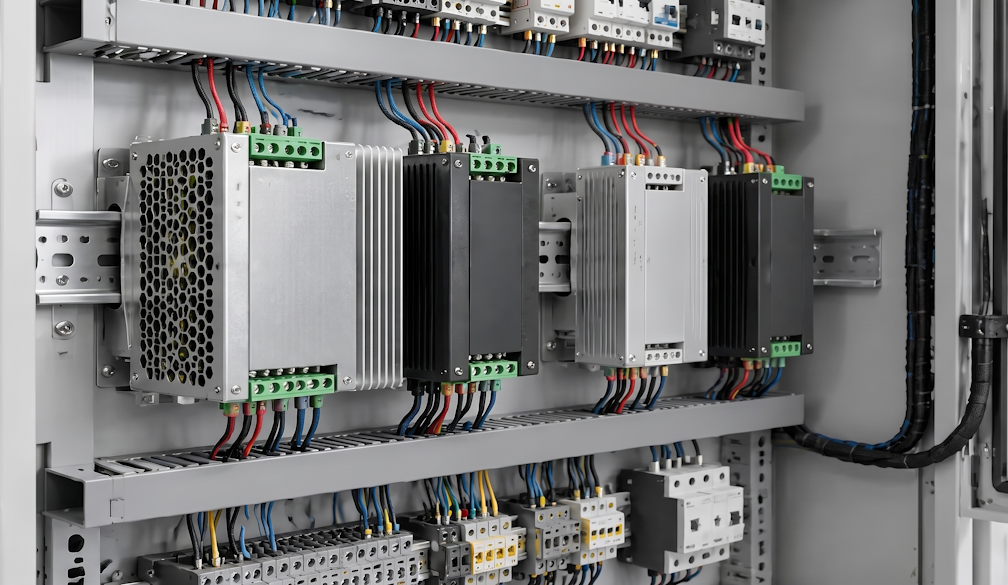
Australia argues about new generation and new vehicles with some regularity. It talks less about the cabinets already bolted down at mine sites, regional substations, pump stations and mobile towers.
A lot of that kit is still doing the work it was bought to do. The conversion brick inside the cabinet is another matter. Power modules age faster than the steel around them, and they go out of production on a timetable set in another country.
That mismatch is starting to show up as a maintenance problem rather than an engineering curiosity.
Remote Sites Feel It First
A failed converter in a metropolitan workshop is an afternoon. The same failure two hours off the highway is a roster, a flight, and a cabinet that may sit idle until the next planned shutdown.
Mining, energy and regional water operators already plan around distance. They do not always plan around a power brick that can no longer be reordered under the original part number. The mechanical plant can take the dust and the heat for another decade. The module often cannot.
The Brick Fails Before the Cabinet Does
Heat, wide input ranges and twenty-four-hour duty are ordinary in Australian industrial power. Isolated bricks, intermediate bus converters and point-of-load stages sit in that environment because they pack a lot of conversion into a small space.
When they fail, crews change the module. They do not change the switchyard. The habit makes sense until the replacement is no longer a stocked item. Then a routine swap becomes a redesign of mounting, airflow and qualification, usually at the worst possible time.
A Discontinued Module Is Not a Catalogue Problem
End-of-life (EOL) notices arrive after the asset has been standardised. Purchasing discovers the gap when the next order is refused. Engineering is then asked to approve a substitute that was never on the original drawing.
For long-life Australian plant, that sequence is how obsolete electronic components leave the datasheet and arrive on a work order. A last-time-buy still needs someone to own it while the site can wait. After the cabinet is already down, the options shrink to leftover stock or a board change nobody priced.
Power Modules Are a Different Kind of Part
A resistor can be crossed from a catalogue with some care. A high-density DC-DC module cannot. Pinout, thermal interface and documented input range are part of the design, not decoration.
Vicor-class bricks are used for that reason: they do a lot of work in a tight volume. They also attract the wrong kind of shopping when a site is desperate. Mixed lots and look-alike converters show up once authorised quantity is gone. Sourcing through vicor distributors is less about a brand preference than about staying inside a channel that still treats those modules as specialised hardware.
Remote sites will keep running equipment that has already outlasted the electronics inside it. The conversion brick is a small item until it cannot be reordered. Australian operators who treat last-time-buys and documented substitutes as ordinary maintenance will lose fewer shifts. Those who wait for the catalogue line to go blank will pay for it in labour and downtime, not in the price of the module.