Why Front Desks Are Being Rethought in Modern Healthcare
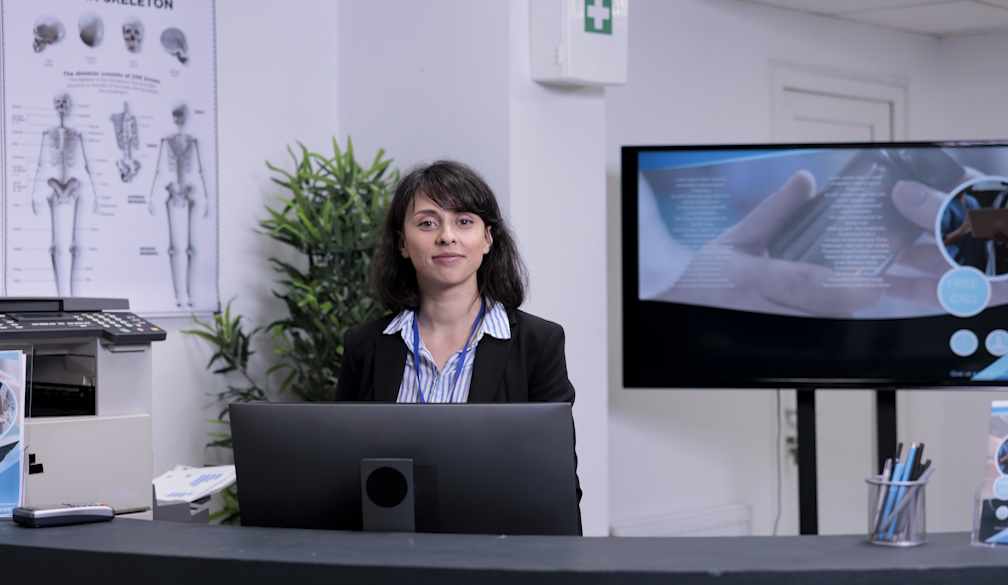
Walk into almost any busy medical practice and the front desk is doing far more than greeting patients. Phones are ringing, appointments are being moved, new patients are filling out forms, clinicians are asking questions, someone needs a referral chased up and another person is standing at the counter trying to work out whether they’re in the right place.
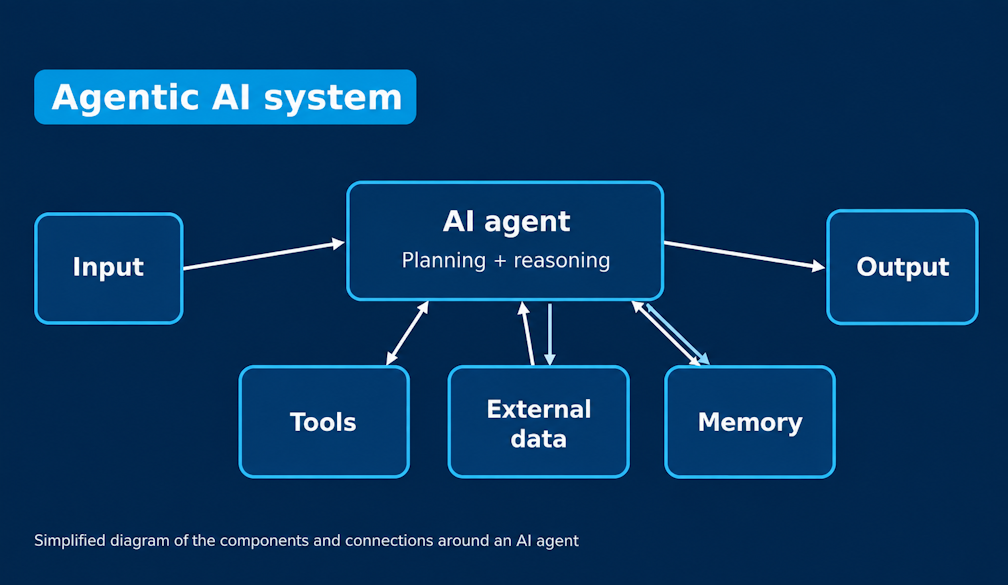
It’s no surprise that practices are looking for ways to take pressure off that part of the business. One emerging option is the use of AI medical receptionists, which can help handle routine enquiries and appointment-related tasks without requiring staff to answer every call manually. The idea isn’t necessarily to remove the human element from healthcare. It’s to stop highly repetitive administrative work from consuming so much of the day.
The Front Desk Has Become a Bottleneck
Reception work used to be relatively straightforward compared with what many practices now manage. Patient volumes have increased, communication channels have multiplied and expectations around responsiveness are much higher.
People don’t just call anymore. They email, fill out online forms, send messages through booking platforms and expect updates quickly. Meanwhile, reception teams are still responsible for checking patients in, processing paperwork and helping clinicians stay on schedule.
When too much happens at once, something inevitably gets delayed. Phone calls go unanswered, messages pile up and staff are forced to constantly switch between tasks.
That constant interruption doesn’t just slow things down. It makes ordinary work more tiring than it needs to be.
Missed Calls Aren’t Just an Inconvenience
If you’re trying to book a hair appointment and nobody answers, you might call back later. Healthcare can be different.
Patients may be calling because they need to reschedule an important appointment, clarify a booking or work out which service they need. If they struggle to get through, they may keep ringing, leave multiple messages or simply give up.
From the practice’s perspective, missed calls can translate into empty appointment slots, frustrated patients and extra follow-up work later.
Making routine enquiries easier to handle can therefore improve more than customer service. It can help a clinic run more predictably.
Not Every Conversation Needs a Person
Some calls genuinely need human attention. Others are highly repetitive.
“What time is my appointment?”
“Are you open on Saturday?”
“Can I move my booking?”
“Where are you located?”
When receptionists spend large parts of the day answering the same basic questions, they have less time for patients who actually need judgment, reassurance or a more complicated response.
Automation makes the most sense when it handles the predictable stuff. That leaves people to deal with situations where empathy, discretion or problem-solving matter.
The distinction is important. Technology is most useful when it supports staff rather than trying to pretend every interaction can be reduced to a script.
After-Hours Communication Is Changing Expectations
People don’t always remember to make appointments between nine and five.
A patient might realise at 8:30pm that they need to change a booking for the following morning. Someone else might want to organise an appointment during their lunch break but only get a chance to do it late at night.
Traditionally, those enquiries would simply wait until the practice reopened. Digital systems have changed expectations.
Online bookings already allow many patients to act outside business hours. Automated phone and messaging systems can extend that convenience further by handling straightforward requests without requiring someone to remain at reception.
For practices, that can mean fewer messages waiting at the start of the day.
Good Automation Needs Clear Boundaries
Healthcare isn’t the place for vague or overconfident systems.
If an automated receptionist can handle appointment scheduling, basic practice information and routine administrative questions, those responsibilities should be clearly defined. Anything outside that scope should have a sensible path to a human staff member.
That’s particularly important when conversations move beyond administration and into medical advice.
A patient describing symptoms needs a very different response from someone asking whether parking is available. Systems should be designed around that distinction rather than treating every caller the same way.
Clear escalation rules are what make automation useful instead of frustrating.
Staff Experience Matters Too
Technology discussions often focus entirely on what patients gain, but reception teams have plenty at stake as well.
Being interrupted every few minutes makes it difficult to complete more detailed work. Even simple tasks become harder when someone is simultaneously answering phones, greeting people at the counter and trying to remember three other things that need doing.
Reducing repetitive calls can create more breathing room.
That doesn’t necessarily mean reception becomes quiet. Healthcare administration will probably never qualify as peaceful. But staff may be able to spend more time helping the person in front of them instead of apologising while answering yet another ringing phone.
Patients Still Want to Feel Looked After
Efficiency is valuable, but healthcare is personal.
Nobody wants to feel as though they’ve entered an endless maze of automated prompts when they’re already stressed about an appointment. Any technology introduced at the front desk has to make communication easier, not merely cheaper or faster.
That means keeping interactions simple, making it obvious how to reach a person when necessary and avoiding unnecessarily complicated menus.
A good system should feel almost invisible. The patient gets what they need without having to think too much about how the request was handled.
The Best Front Desk May Be a Hybrid One
The future of medical reception probably isn’t completely human or completely automated. A combination of both makes more sense.
Machines are good at repetition, availability and consistency. People are good at reading situations, adapting to unusual circumstances and showing empathy when someone needs help.
Let technology handle the questions that are asked fifty times a week. Let staff concentrate on the situations where a human response genuinely matters.
That approach can make the front desk less chaotic without making the practice feel impersonal. And in healthcare, where efficiency and reassurance both matter, that balance may be far more useful than simply trying to automate everything.