How Men’s Safety Footwear Can Prevent Common Worksite Injuries
- Written by: Times Media
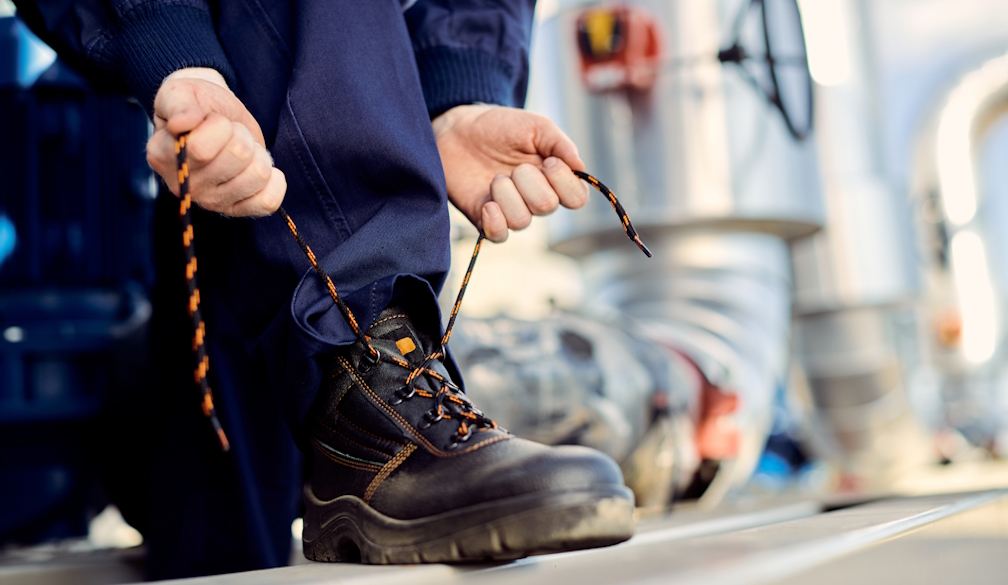
On most Australian worksites, injuries rarely happen because of one dramatic event. More often, they’re the result of small, preventable factors — fatigue, poor grip, inadequate protection or equipment that simply doesn’t hold up under pressure.
Footwear plays a bigger role in injury prevention than many people realise. While hard hats and high-vis clothing are highly visible symbols of compliance, boots are what carry workers across unstable ground, wet surfaces and debris every single day.
Quality safety boots form a critical part of any effective safety work gear setup. When chosen correctly, they address several of the most common injury risks on site.
Preventing Crush and Impact Injuries
Dropped tools, shifting materials and mobile equipment create constant foot-level hazards. Steel or composite toe caps are designed to absorb and disperse impact forces, reducing the likelihood of broken toes or more serious crush injuries.
The key isn’t just having a safety cap, but ensuring it maintains its structure over time. Inferior boots may meet standards initially but lose shape after months of wear, compromising protection. Durable construction ensures that impact resistance remains consistent.
Reducing Slip and Fall Incidents
Slips are one of the leading causes of workplace injuries in Australia. Concrete dust, mud, oil and water all reduce surface traction. A properly rated slip-resistant outsole provides grip across changing conditions.
Good tread design also helps channel water and debris away from the sole. Workers who feel stable underfoot move more confidently, reducing hesitation and overcompensation that can lead to strains or falls.
Protecting Against Puncture Wounds
Construction and industrial sites frequently contain sharp offcuts, nails or exposed fixings. Penetration-resistant midsoles add an extra layer of defence, preventing objects from piercing the sole and causing serious injury.
For crews working around demolition areas or temporary works, this feature becomes particularly important.
Minimising Fatigue-Related Injuries
Not all injuries are sudden. Many develop gradually.
Poor cushioning and inadequate arch support contribute to foot pain, which then affects posture and gait. Over time, this can lead to knee, hip and lower back strain. Fatigue reduces focus, and reduced focus increases the likelihood of mistakes.
Boots with shock-absorbing midsoles and supportive footbeds reduce repetitive impact stress. When workers finish a shift with less physical strain, they’re better positioned to maintain concentration and safe working practices.
Supporting Ankle Stability
Uneven terrain, trenches and scaffold platforms increase the risk of ankle rolls and sprains. Structured heel counters and appropriate ankle support help stabilise the foot during lateral movement.
Even minor ankle injuries can remove a worker from site for weeks. Stability features are often overlooked but provide measurable long-term benefits.
Encouraging Proper Fit and Compliance
Footwear that is uncomfortable tends to be worn incorrectly — laces left loose, boots half unlaced or replaced with non-compliant alternatives. Comfortable, well-fitted safety boots encourage consistent wear and proper use.
From a management perspective, reliable footwear supports broader safety culture. When workers trust their gear, compliance becomes easier to maintain.
Injury prevention on-site isn’t about a single piece of equipment. It’s about systems working together. Men’s safety footwear forms the foundation of that system, protecting against impact, slips, punctures and long-term strain.
When boots are selected with real working conditions in mind — not just price tags — they become more than protective gear. They become an active contributor to safer, more productive worksites across Australia.