Why Regional Communities Need Smarter, More Reliable Waste Solutions
- Written by: Times Media
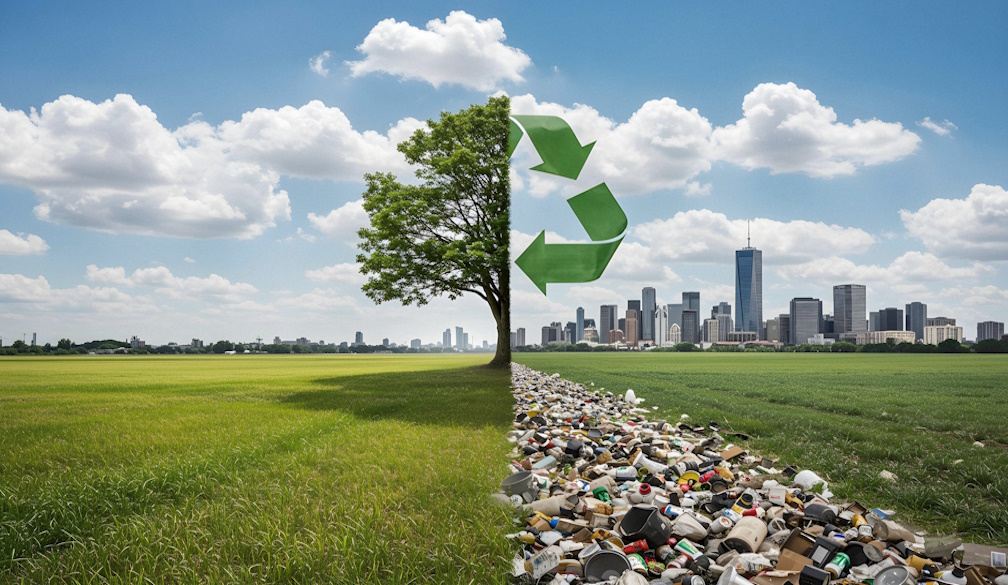
Waste management is one of those services that tends to go unnoticed when it works well. Bins are collected, streets stay relatively clean, businesses keep operating and most people don’t give the system much thought. That changes quickly when something goes wrong.
Missed collections, overflowing bins, limited disposal options and long distances between facilities can create much bigger problems in regional areas than they might in a major city. That’s why reliable waste management services in regional Victoria matter so much. They’re not just about taking rubbish away. They’re part of the infrastructure that helps towns, businesses and local industries function smoothly.
Regional Waste Isn’t Just a Smaller Version of City Waste
It’s easy to assume waste management works the same everywhere, only on a different scale. In reality, regional communities often deal with a completely different set of challenges. Homes and businesses can be spread across large distances, disposal and recycling facilities may be far apart, and some towns experience major seasonal fluctuations in population. Agricultural and industrial areas can also produce very different waste streams from suburban neighbourhoods.
All of that changes the logistics. A collection route that would be simple in a dense metropolitan area can become a long and complex operation when properties are separated by kilometres rather than streets. Fuel use, travel time, vehicle capacity and collection frequency all become more important. Good regional waste management has to be designed around geography rather than trying to force a city-style model onto a very different environment.
Local Businesses Need Flexible Collection
Regional businesses don’t all produce the same type or amount of waste. A café in a country town may deal with food scraps, glass and cardboard, while a manufacturing business could produce bulky packaging and industrial waste. Farms, workshops, supermarkets and construction companies all have their own requirements.
That makes flexibility essential. Some businesses may need frequent small collections, while others are better suited to larger bins collected less often. Certain materials may be suitable for recycling or recovery, while others need specialist handling. When collection arrangements reflect the actual waste being produced, businesses can avoid paying for unnecessary capacity while also reducing the risk of overflowing bins and messy storage areas.
Distance Changes Everything
One of the biggest differences between metropolitan and regional waste systems is the distance between collection points and processing facilities. If a recycling facility is nearby, transporting material there is relatively straightforward. If it’s several hours away, the economics and logistics become much more complicated.
This is where transfer stations and carefully planned transport routes can make a significant difference. Waste can be consolidated into larger loads before being moved longer distances, reducing the need for multiple smaller vehicles to make inefficient trips. It sounds like a minor operational detail, but those decisions can affect everything from fuel use to collection reliability.
Reliable Waste Collection Supports Public Health
Rubbish isn’t simply unpleasant to look at. When waste sits around for too long, it can attract pests, create odours and become a hygiene issue. Food waste in particular can become problematic quickly in warmer weather.
For hospitality venues, food businesses and healthcare facilities, dependable collection is especially important. A missed service isn’t just inconvenient; it can interrupt normal operations. Regional communities may have fewer backup options when problems occur, so consistency becomes even more valuable. If the nearest alternative service or disposal point is a considerable distance away, there isn’t always an easy Plan B.
Recycling Needs Practical Infrastructure
People are often willing to recycle, but good intentions only go so far if the infrastructure doesn’t support them. For recycling to work properly, materials have to be collected, sorted, transported and processed. In regional areas, each step may involve greater distances and fewer facilities.
That doesn’t mean recycling is unrealistic. It simply means systems need to be practical. Separating cardboard, metals, green waste or other recoverable materials can significantly reduce general waste volumes, particularly for commercial operations. The challenge is making collection and transport efficient enough that those materials can actually reach the right destination. Education matters too, because contamination can reduce the value of recyclable material and sometimes make entire loads unsuitable for recovery.
Growing Towns Need Waste Planning Too
Regional population growth often brings discussions about housing, roads, schools and healthcare. Waste infrastructure doesn’t always receive the same attention, but it needs to grow alongside everything else.
More homes mean more kerbside collections, while new shops and hospitality venues create additional commercial waste. Construction also generates large volumes of material before new residents have even moved in. If waste systems don’t keep pace with growth, problems can develop quickly. Forward planning allows councils, businesses and service providers to anticipate changing volumes rather than constantly reacting once capacity has already been exceeded.
Industry Can Create Sudden Changes in Demand
Regional economies are often closely connected to particular industries. Agriculture, food processing, manufacturing, tourism and construction can all create periods where waste volumes increase sharply. Harvest seasons, major events or large development projects may temporarily change the amount and type of material being generated.
Flexible waste systems are better equipped to respond to those fluctuations. A rigid collection schedule designed around average conditions may struggle when demand suddenly rises. Being able to adjust bin capacity, pickup frequency or transport arrangements helps communities absorb those changes without creating unnecessary disruption.
Smarter Waste Management Starts With Better Information
One of the most effective ways to improve waste systems is simply to understand what’s actually being thrown away. Businesses that examine their waste streams may discover that a large percentage of their general waste could be separated into recycling, cardboard or organic collections. Councils can use collection patterns and volume data to improve routes or identify areas where services need to change.
Better information leads to better decisions. There’s no point collecting half-empty bins unnecessarily, just as there’s little sense in allowing consistently overloaded bins to create ongoing problems. The more accurately services match real demand, the more efficient the entire system can become.
It’s Essential Infrastructure, Even If We Rarely Notice It
Waste collection doesn’t tend to receive much attention compared with roads, utilities or public transport, yet communities would notice its absence almost immediately. Reliable waste management keeps businesses operating, protects public spaces, supports recycling and helps towns deal with growth and changing industries.
In regional areas, where distance and infrastructure constraints can make everything more complicated, good planning matters even more. The most effective systems are rarely the ones people notice. They’re the ones that quietly keep working week after week, adapting to the needs of the communities they serve and making sure yesterday’s waste doesn’t become tomorrow’s problem.