How Quality Early Education Prepares Your Child for Primary School
- Written by: Times Media
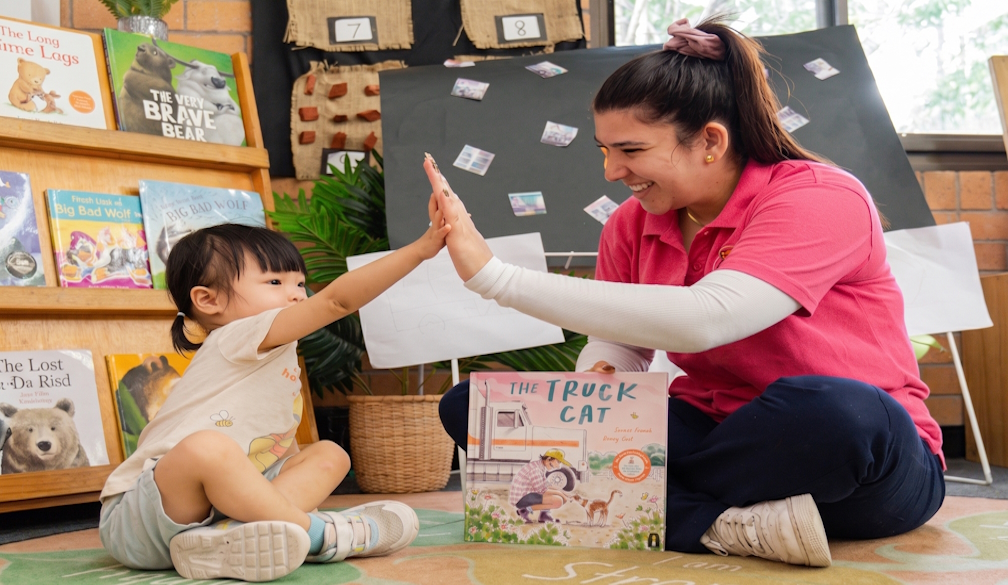
The transition to primary school is a major milestone for any family in Australia. While buying the first uniform and packing a lunchbox are exciting rites of passage, true school readiness happens long before the first day of kindergarten. The New South Wales Government emphasises that 90 percent of a child's brain development occurs by age five, making the early learning years a critical window for intervention and growth. As of 2025, over 350,000 children aged four or five were enrolled in a preschool program across Australia, representing steady nationwide growth in early childhood education participation. Structured early education provides the foundational skills these children need to thrive in a formal classroom environment. For families navigating this busy period, finding a centre that integrates formal school readiness into daily routines is essential. Selecting a reputable preschool in Liverpool parents trust can give children the consistency and local community connection they need right from the start.
The Changing Face of School Readiness
Modern school readiness goes far beyond knowing the alphabet or counting to ten. The updated Early Years Learning Framework has formally expanded this definition to mandate a focus on broader concepts like collaborative leadership, sustainability, and culturally responsive learning environments. Today, educators focus heavily on emotional regulation, sustained concentration, and social adaptability in a dynamic group setting.
Recent data from the 2024 Australian Early Development Census highlights why this shift is so important for young learners. The census revealed that approximately 10.7 percent of Australian children were assessed as developmentally vulnerable in social competence just before starting school, while 10.0 percent showed vulnerabilities in emotional maturity. High-quality early education programs actively reduce these vulnerabilities by giving children a safe, guided space to practice peer interactions and adapt to group routines under the supervision of qualified professionals.
Meeting National Standards for Early Learning
When parents evaluate early education options, the National Quality Framework offers an objective benchmark for making an informed choice. Quality ratings across Australia have reached record highs in recent years, with over 90 percent of approved early childhood education and care services now meeting or exceeding the national standards. This is a massive improvement from just 56 percent when the benchmarks were first published in 2013.
A crucial part of this framework is the requirement for centres to deliver an engaging curriculum that explicitly supports transition skills. According to the Australian Children's Education and Care Quality Authority, approved providers must ensure their educational program and practice enhances each child's learning outcomes regarding their identity, connection with community, wellbeing, confidence as learners, and effectiveness as communicators. This structured approach means that even during unstructured play, educators are intentionally guiding children toward specific developmental milestones.
Community Demand and Local Growth
As participation in early childhood education steadily grows, certain regions are experiencing surging demand for community-based care. Western Sydney is a prime example of this upward trend. Recent Census data shows that the Liverpool Local Government Area is home to over 16,600 babies and pre-schoolers. This intense local growth highlights the need for reliable, high-quality childcare options in rapidly expanding neighbourhoods.
Many community-focused centres build strong relationships with nearby primary schools, which can further smooth the complex transition process for young learners. When childcare providers and local primary schools collaborate, children benefit from a seamless educational journey that reduces anxiety and builds familiarity with school expectations.
Key Features of Effective Early Education
Parents evaluating their childcare options should look beyond the basic facilities and observe how educators interact with the children. A quality early learning environment actively prepares children for primary school through several targeted, play-based strategies that build both cognitive and emotional resilience.
When touring a potential centre, consider looking for the following indicators of a strong educational program:
- Play-based learning areas that encourage independent problem-solving and self-guided discovery.
- Consistent daily routines that help young children anticipate transitions and manage their emotions.
- Group work opportunities that intentionally build social competence, sharing, and active listening skills.
- Professional educators who use formal mapping tools to align their classroom activities with national teaching standards.
- Open, consistent communication channels between teachers and parents regarding individual developmental milestones.
Ultimately, quality early education is about building a strong, confident foundation for the future. By choosing a local centre that prioritises comprehensive emotional and social development, parents can ensure their children are not just ready for their first day of primary school, but prepared for a lifetime of learning.