Building a New House? Here's What Electrical Connection Costs
- Written by: Times Media
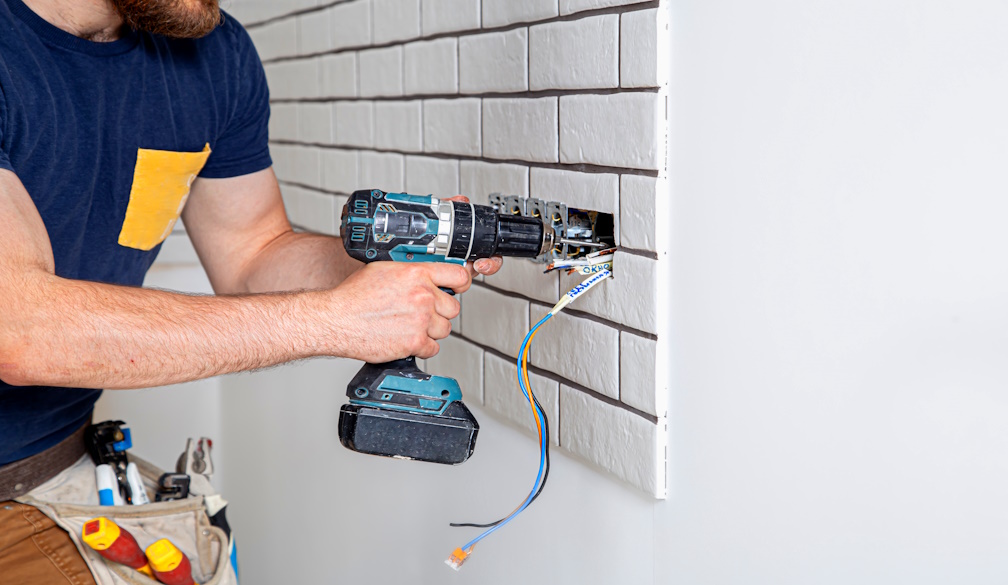
Most new home budgets cover the big ticket items: land, slab, frame, fit-out. One aspect they often forget to include is the cost to connect electricity to a new house in Australia. It's smaller than your wiring bill, but it's one of the few things that can stop you moving in on the date you'd planned, even when everything else has gone right.
Here's what it involves, what it costs, and where people get caught out.
Wiring your House and Connecting it to Power aren't the same job
It’s an easy assumption to make, thinking that once your house is wired, you're done. Not quite. Wiring the inside of the home and connecting that home to the grid are two separate jobs, run by two separate parties.
Your electrician does the inside work: cabling, power points, lighting circuits, the switchboard. Getting the property connected to mains power is a different process altogether, run through your local electricity distributor and retailer, who bring supply from the street to your meter box. Both need to happen, and neither is priced or booked by the other.
What Connection Costs
For a standard block in an established estate, where supply already runs nearby, connection to a new house usually costs between $2,000 and $6,000. That covers trenching on your property, running consumer mains from the street to the house, and the meter setup.
It climbs from there if your block sits further from existing infrastructure. New estates still being built out, rural blocks, or sites needing network upgrades can push the price up quite a bit, because the distributor may have to extend or reinforce infrastructure before your supply goes live.
Get a quote for your address rather than budgeting off a general figure. Distance from the nearest supply point, overhead versus underground, and any easements on the block can all shift it.
Timing is the Real Risk, Not Price
Once you know the cost, it's easy enough to budget for. Timing is where it goes wrong. Distributors can take weeks to process applications, book inspections, and finish the physical connection, particularly in busy building periods. Leave that application too late and it's suddenly the reason you're not moving in on schedule, despite every other trade finishing on time.
Get the connection application in well before the internal wiring is done, so both finish around the same time. We've seen owners wait until the house is fitted out and ready, only to be sitting on a finished home with no power.
Worth Asking Before you sign a Quote
- Is it itemised, with trenching, consumer mains, and meter setup as separate lines?
- Has the application gone to the distributor yet, or is that still ahead?
- Is the block within standard supply distance, or will it need network augmentation?
- Who's coordinating timing between the wiring and the connection?
An electrician who works on new builds regularly in your area usually knows local distributor turnaround times, and can flag early if your site's likely to need extra work.
What to Budget
Wondering what to budget? Expecting to pay $2,000 to $6,000 for the physical connection, on top of internal wiring, is a fair starting point for a standard suburban build.
Getting the process started early matters more than the exact number, because that's what stops you standing outside a finished house waiting for the power to turn on.