New research shows Australians support buying local for different reasons – and not all will pay more
- Written by: Susan Luckman, Professor of Culture and Creative Industries, Adelaide University
We have now passed the annual Australia Day peak of calls urging us to “buy Australian” – especially lamb[1]. The iconic green-and-gold “Australian Made, Australian Grown[2]” logo, launched by then-Prime Minister Bob Hawke in 1986, turns 40[3] this year.
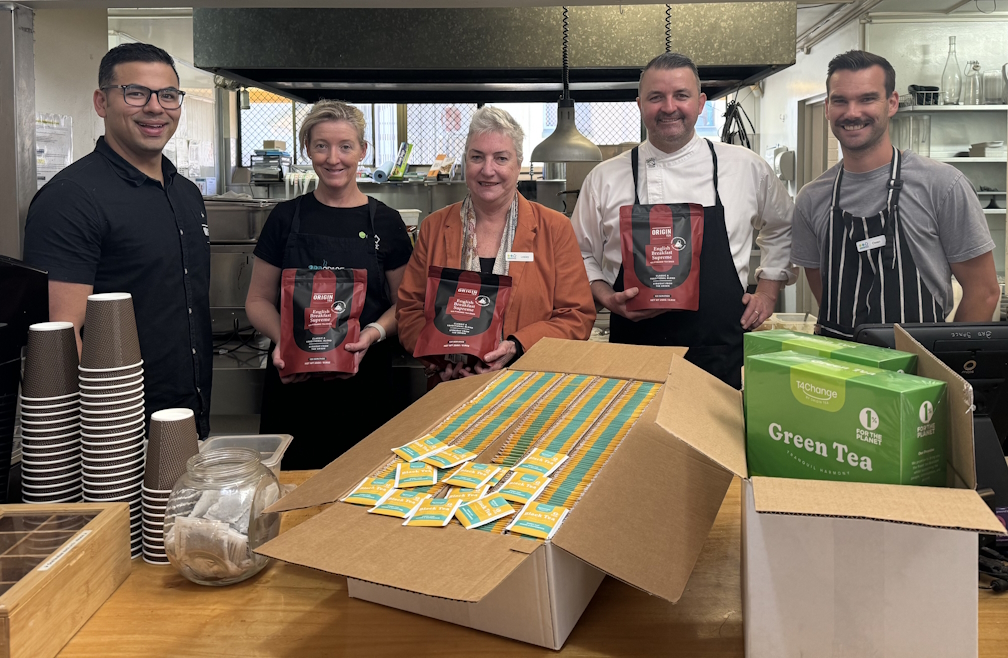
We are also often encouraged to support local businesses in tough times. The recent devastating impacts[4] of bushfires in Victoria highlights the importance of supporting local businesses in need.
But is buying local feasible or desirable for most Australians? Who buys Australian made – and why? These questions were at the heart of our latest research[5], which drew on a nationally representative survey[6] of 924 Australian consumers.
We found a majority of Australians support buying local. But their motivations for doing so vary significantly – and not all are willing to pay more.
Looking beyond the farmers’ market
Most previous research has focused on local food[7]. Much less is known about motivations for buying other kinds of local goods.
We asked people whether they sought to buy locally produced goods across a wide range of categories, including fruit and vegetables, meat, alcoholic drinks, clothing, furniture, decorative items, personal accessories and other household goods.
If the answer was yes, we asked why – and whether they were willing to pay more to do so.

Who buys Australian made and why?
We found the desire to “buy local” cannot be neatly categorised as progressive or conservative, nor is the desire to support local confined to any one demographic group.
We found most Australians had a strong desire to buy local. Overall, the top three reasons were:
- “to support the local economy and jobs”
- “better quality”
- “I prefer to support small business”.
This was consistent across all product categories, with supporting the local economy and jobs by far the strongest motivation.
What matters to men and women
But there were some notable variations. For example, while responses by gender were fairly similar, men were far more likely than women to seek out Australian-made alcoholic beverages, which they saw as “better quality” and “safer and more trustworthy”.
In the same product category, women were far more interested in the “story” of such products, choosing the response “I like to know where and how it is produced” more frequently than men.
When it came to clothing and personal accessories, concern for labour conditions and environmental impacts emerged as stronger drivers for women.

Who’s willing to pay more?
Perhaps surprisingly, we found income level has little to do with whether people are willing to pay more for locally produced goods. This is where other values come into play.
We found those aged over 45 had the strongest preference for buying local, and this was primarily motivated by a desire to support the local economy and jobs. However, they were also the least willing to pay more. Notably, ethical or values-based considerations were less of a driver for this group.
In contrast, younger people were more likely to buy local for environmental reasons or for reasons related to labour conditions and workplace ethics. Despite being on lower incomes, younger people were generally willing to pay more for these considerations.
Additional differences became clear when we considered respondents’ political views – particularly their views on immigration.
Those aged over 45, who held the strongest desire to support local economy and jobs, also held the most negative views about immigration – saying they felt that immigration numbers were too high and should be tightened.
This was in contrast to the younger respondents who also sought to buy local for reasons extending beyond supporting the local economy. More motivated to buy local for environmental or ethical reasons, this cohort tended to have more positive views about immigration, feeling that immigration numbers were “about right” or could be higher.
Why this matters
The disruption of COVID made local production and buying more urgent and more common. This sped up a shift[10] towards small-scale and local production that began before the pandemic.
Since the pandemic, Australian businesses have experienced further economic and environmental disruptions: natural disasters, the United States’ reintroduction of tariffs, and the ongoing cost of living crisis[11], to name a few.
However, our research suggests the same act of buying local holds different meanings across demographics and the political spectrum.
These findings are important to consider at the present moment, as anti-immigration sentiment becomes more visible[12].
References
- ^ lamb (www.youtube.com)
- ^ Australian Made, Australian Grown (academic.oup.com)
- ^ turns 40 (australianmade.com.au)
- ^ devastating impacts (www.theguardian.com)
- ^ latest research (doi.org)
- ^ survey (hdl.handle.net)
- ^ focused on local food (journals.sagepub.com)
- ^ Stephanie Gardiner/AAP (photos.aap.com.au)
- ^ James Ross/AAP (photos.aap.com.au)
- ^ This sped up a shift (www.commbank.com.au)
- ^ ongoing cost of living crisis (www.abc.net.au)
- ^ becomes more visible (www.abc.net.au)