From Montreux to Double Bay: Swiss Perfection Brings the Art of Skin Longevity to Australia
- Written by: Times Media
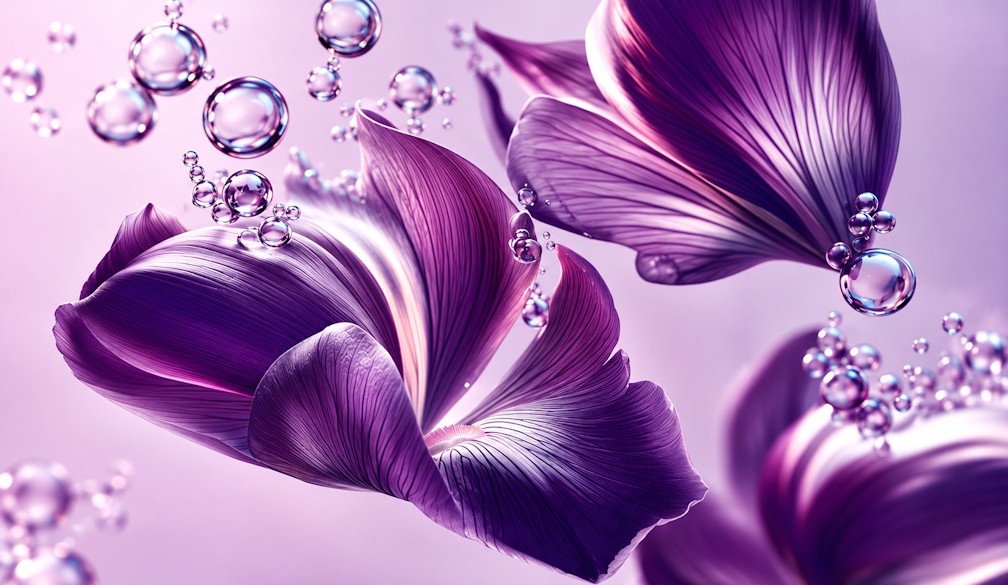
A quietly influential Swiss skin house, built around cellular science, a centuries-old iris and the rituals of the world’s finest spas, has arrived in Australia.
There are skincare launches, and then there are arrivals that feel more like the opening of a new chapter. Swiss Perfection belongs to the latter. In September 2026, the Montreux-born luxury skincare house makes its official Australian debut through an exclusive professional partnership with One Cosmetic in Sydney’s Double Bay, bringing with it a philosophy of skin longevity shaped over almost three decades by Swiss cellular research, botanical science and the exacting world of luxury spa culture.
The timing is significant. As Australian beauty consumers become increasingly sophisticated about skin health, the conversation is moving beyond quick fixes and the increasingly familiar language of “anti-ageing”. Swiss Perfection enters with a different proposition: not simply to correct what time has changed, but to support the skin’s own capacity to renew, regenerate and remain resilient over time. Founded in 1998, Swiss Perfection emerged from a very particular Swiss ecosystem: Montreux, a place internationally associated with longevity science, medical innovation and some of the world’s most discreet luxury wellness destinations. From the beginning, the brand’s point of difference was its focus on plant cellular extraction and the regenerative potential of Iris Germanica.
That idea remains at the heart of the house today. Swiss Perfection describes its philosophy as “The Art of Skin Longevity” - an approach that places the skin’s ability to renew itself at the centre of the conversation. Its formulations combine Swiss cellular science with highly concentrated actives and a distinctly ritualistic approach to skincare, reflecting the brand’s origins in professional treatments rather than conventional retail beauty.
The most intriguing part of the Swiss Perfection story begins not in a laboratory, but in a garden. At the historic Château de Vullierens in Switzerland, the Bovet family has cultivated irises for generations. The estate dates back around 700 years and is now renowned for its extraordinary gardens, including more than 400 varieties of iris. It was here that researchers turned their attention to Iris Germanica and, specifically, to the plant’s rhizome - the underground structure that enables it to survive harsh conditions and return to bloom season after season.
From that research came Cellular Active IRISA®, the proprietary cellular technology that has become the signature of Swiss Perfection. The brand continues to source and cultivate Iris Germanica for its proprietary research at Château de Vullierens, preserving an unusually direct connection between botanical provenance, scientific development, and finished product.
There is an elegance to the metaphor. The iris does not defeat winter; it endures it and renews itself. Swiss Perfection has built its skincare philosophy around a similar premise: supporting the skin’s natural renewal processes rather than treating ageing as something to be fought at every turn.
Long before Swiss Perfection became a luxury skincare collection, it was a professional treatment philosophy. Today, its treatments are offered through 88 prestigious spa partners across Europe and Asia, with a network that includes Four Seasons, Mandarin Oriental, Ritz-Carlton, Kempinski and InterContinental destinations. That spa heritage is important to understanding the brand. Swiss Perfection is not simply about applying a beautiful cream at home. Its protocols were developed around the idea that product, touch, technique and time can work together to create a more complete skin experience.
The house has also established relationships with influential practitioners, including internationally recognised facialist Joanna Czech, who has incorporated Swiss Perfection into her signature protocols and curated a selection of the brand’s essentials.
Australia therefore represents more than another retail territory. Its first local address is a professional skin destination: One Cosmetic, Double Bay, founded by Specialist Plastic Surgeon Dr Louis Wessels. The partnership brings Swiss Perfection into a setting where clinical expertise, aesthetic medicine and advanced skin health already sit alongside highly personalised treatment.
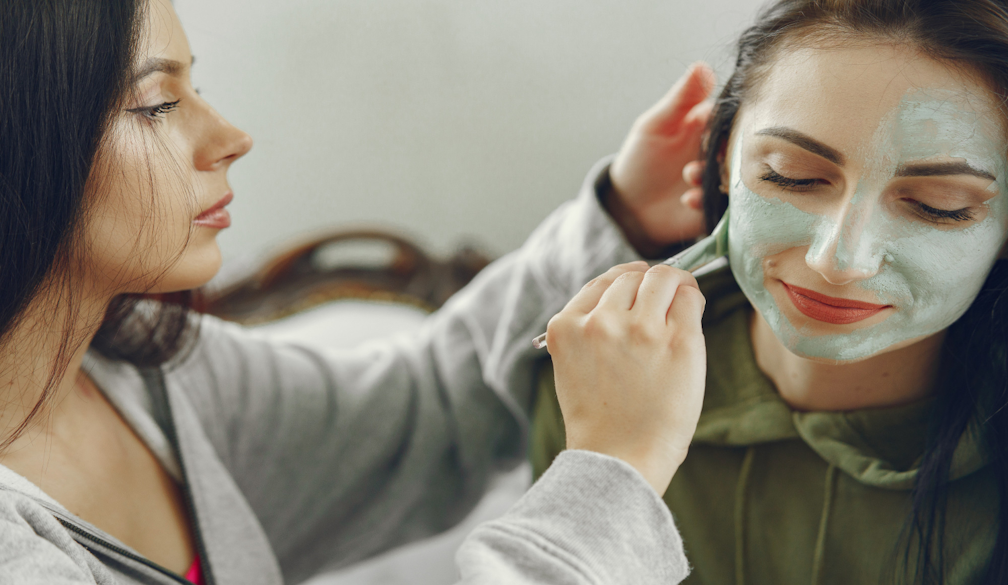
At One Cosmetic, Australian clients can now experience Swiss Perfection’s professional treatment philosophy through the signature Blooming Glow Facial, a 60-minute treatment designed around hydration, radiance and revitalisation. The ritual combines Swiss Perfection formulations with specialised facial techniques, with the treatment tailored to the individual needs of the skin. It is an introduction to the brand’s broader philosophy: sophisticated skincare is not simply about the product itself, but about how it is selected, layered, and delivered.
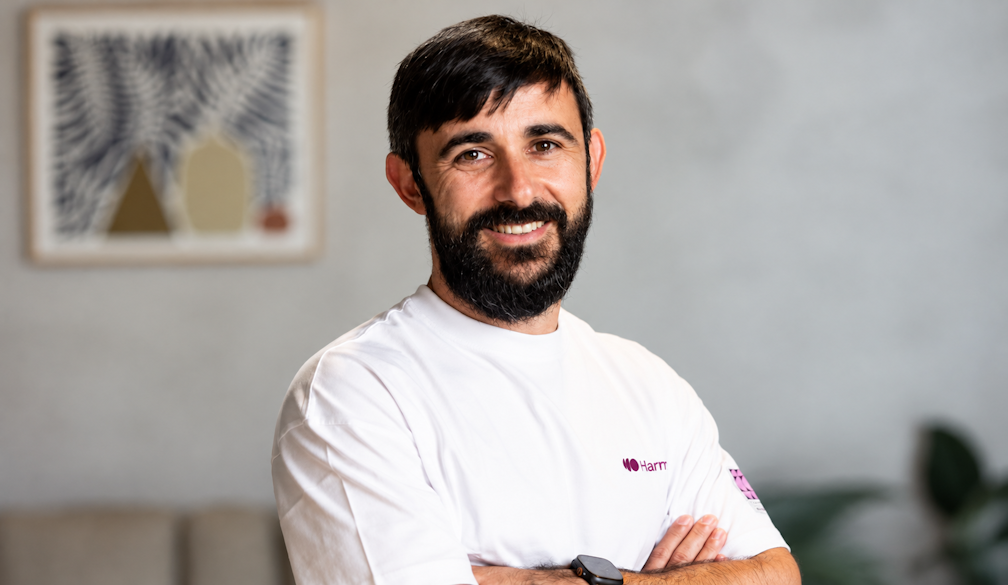
For Dr Louis Wessels, the partnership reflects a shared commitment to expertise and long-term skin health. “We are incredibly selective about the brands we introduce at One Cosmetic and Swiss Perfection stood out for its unique combination of advanced cellular science, exceptional formulations and extraordinary international heritage,” he says. “Swiss Perfection’s philosophy aligns closely with our own approach to skin health and we’re extremely proud to bring the spectacular brand and its signature treatments to our clients.”
The Australian launch also arrives at an interesting moment in Swiss Perfection’s own evolution. Its latest major collection, RS-28, translates the brand’s cellular philosophy into a programme built around the skin’s natural 28-day renewal cycle.
RS-28 combines Cellular Active IRISA® technology with a new generation of active ingredients and proprietary technologies. At the centre of the collection is the RS-28 Rejuvenation Serum Advanced, incorporating the brand’s patented IRISA® Exosome Technology alongside ingredients including NAD+ boosters, yeast extract and Alteromonas ferment.
The concept is deliberately more expansive than conventional anti-ageing skincare. RS-28 is positioned around skin renewal, firmness, density, hydration, texture and luminosity, with the larger idea being to support skin vitality over time. It is a particularly contemporary proposition for a brand with such a long history: the science continues to evolve, but the underlying philosophy remains remarkably consistent. Preserve, regenerate, reveal.
Australia is one of the world’s most sophisticated skincare markets, but it is also an unusually demanding environment for skin. High levels of UV exposure, heat, wind and changing humidity have helped create a consumer culture that understands the value of prevention, protection and active skincare. Swiss Perfection enters that market from a different angle. Its proposition is rooted in the idea that skin longevity is not a single intervention but a long-term relationship between the skin, the science supporting it and the rituals that help maintain it. That makes its Australian debut particularly well matched to the direction in which premium beauty is moving: away from an endless cycle of novelty and towards expertise, provenance, personalisation and meaningful treatment experiences.
The choice of Double Bay is equally telling. One Cosmetic provides an intimate, professional environment in which the brand can be experienced rather than simply displayed. And with Swiss Perfection’s anticipated luxury beauty launch at MYER in Sydney, Melbourne and Perth later in 2026, the Double Bay partnership offers a first introduction to a house whose identity has been built around discretion, expertise and exceptional standards.
Perhaps the most compelling aspect of Swiss Perfection is the coherence of its story. The iris is not simply a decorative motif. It connects the brand’s botanical origins, its proprietary science, its Swiss heritage and its philosophy of renewal. From the gardens of a 700-year-old château to the treatment rooms of some of the world’s most celebrated hotels and spas, and now to a specialist clinic in Double Bay, Swiss Perfection has maintained an unusually clear sense of identity. Australia is now its newest chapter, and the first Australian encounter with a Swiss skin house that has spent nearly three decades refining the art of making science feel like ritual.