The Role of Retail Security Tags in Preventing Shoplifting
- Written by: The Times
Shoplifting is a major problem for retailers, with billions of dollars worth of goods stolen each year. One way that retailers try to combat this issue is by using retail security tags. In this blog post, we will explore the role of retail security tags in preventing shoplifting.
What Are Retail Security Tags?
Retail security tags are small electronic devices attached to store merchandise. These tags are designed to prevent shoplifting by triggering an alarm if someone tries to remove the item from the store without first deactivating or removing the tag.
There are several different types of retail security tags, but the most common ones are radio frequency (RF) tags and magnetic tags. RF tags use radio waves to communicate with a sensor at the store's exit, while magnetic tags use a magnetic field to activate an alarm.
The Benefits of Retail Security Tags
Retail security tags offer several benefits to retailers, including:
- Deterrent Effect: The presence of security tags can deter potential shoplifters from attempting to steal merchandise.
- Detection: If someone does try to steal an item with a security tag, the alarm will alert store personnel to the theft.
- Reduced Inventory Shrinkage: By deterring and detecting theft, retail security tags can help reduce inventory shrinkage, which is the difference between a store's expected and actual inventory.
- Cost-Effective: Retail security tags are relatively inexpensive and can be reused multiple times.
The Psychology of Shoplifting
To understand the role of retail security tags in preventing shoplifting, it is important to understand the psychology of shoplifting. Many people who shoplift do not do so because they need the item but because they experience a thrill or sense of excitement from stealing.
However, shoplifters are also motivated by the perceived value of the item they are stealing. Retail security tags can reduce the perceived value of merchandise by making it more difficult to steal. When a shoplifter sees a security tag on an item, they may be less likely to attempt to steal it because they know they will have to go through the extra effort to do so.
Retail Security Tags in Practice
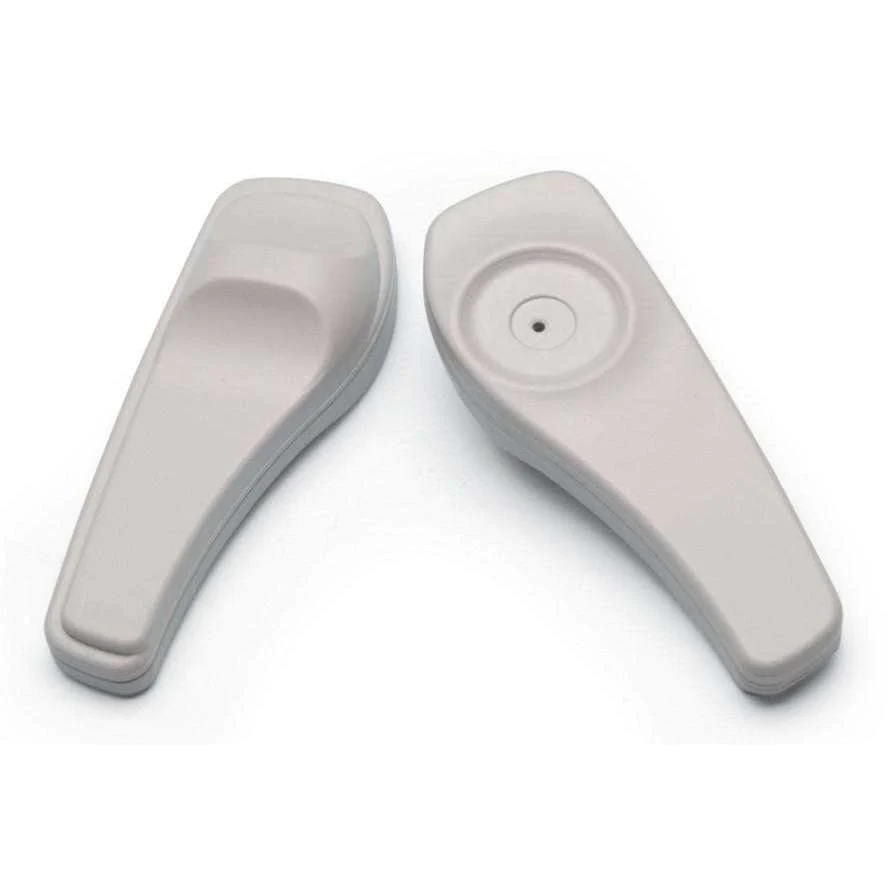
Retail security tags are widely used in stores of all types, from small mom-and-pop shops to large department stores. In addition to using security tags, many retailers also use other security measures, such as security cameras, security personnel, and anti-theft sensors.
One potential downside of retail security tags is that they can be somewhat cumbersome to remove at the point of sale. However, this inconvenience is usually outweighed by the benefits of deterring theft.
In addition to deterring theft, retail security tags can also help retailers identify patterns of theft and monitor inventory levels. By analyzing the data from security tag activations, retailers can gain insights into which items are most frequently stolen and adjust their inventory and security measures accordingly.
Retail security tags are a valuable tool for preventing shoplifting and reducing inventory shrinkage. By deterring and detecting theft, security tags can help retailers protect their merchandise and their bottom line. While they may not eliminate shoplifting, they can make it more difficult and less attractive to potential thieves.