two leading economists on Australia's post-COVID economy
- Written by: Michelle Grattan, Professorial Fellow, University of Canberra
With three months before JobSeeker is due to end and calls for billions of dollars in extra spending[1], there is a growing debate about how Australia’s post-coronavirus economy will actually look.
While Scott Morrison has said Australia will need to lift economic growth by “more than one percentage point above trend” through to 2025, a 22-economist panel [2] hosted by The Conversation forecast a bleaker result.
Read more: No big bounce: 2020-21 economic survey points to a weak recovery getting weaker, amid declining living standards[3]
Growth one percentage point above trend would average almost 4% per year.
The Conversation’s economic panel forecast an annual growth averaging 2.4% over the next four years, much less than the long-term trend.
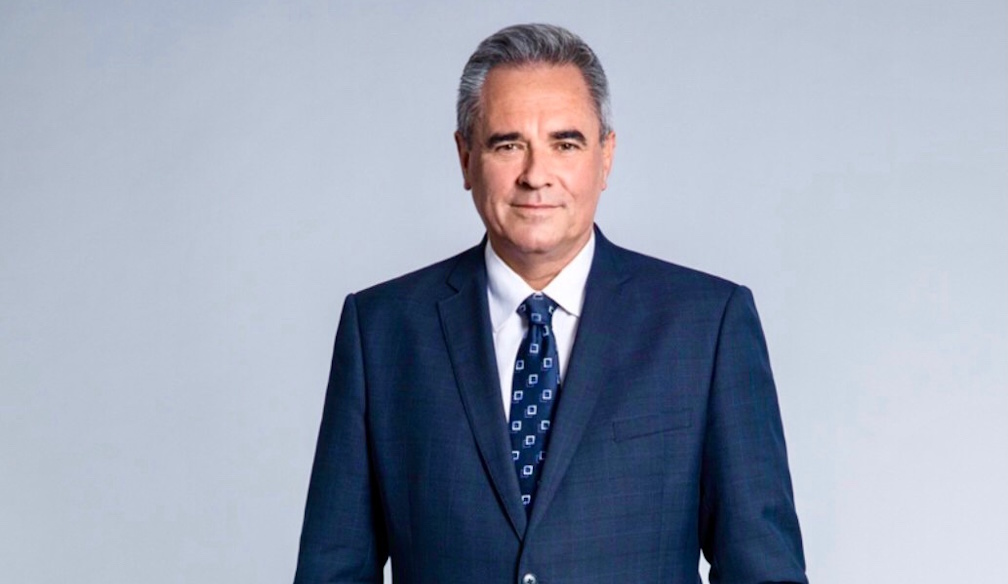
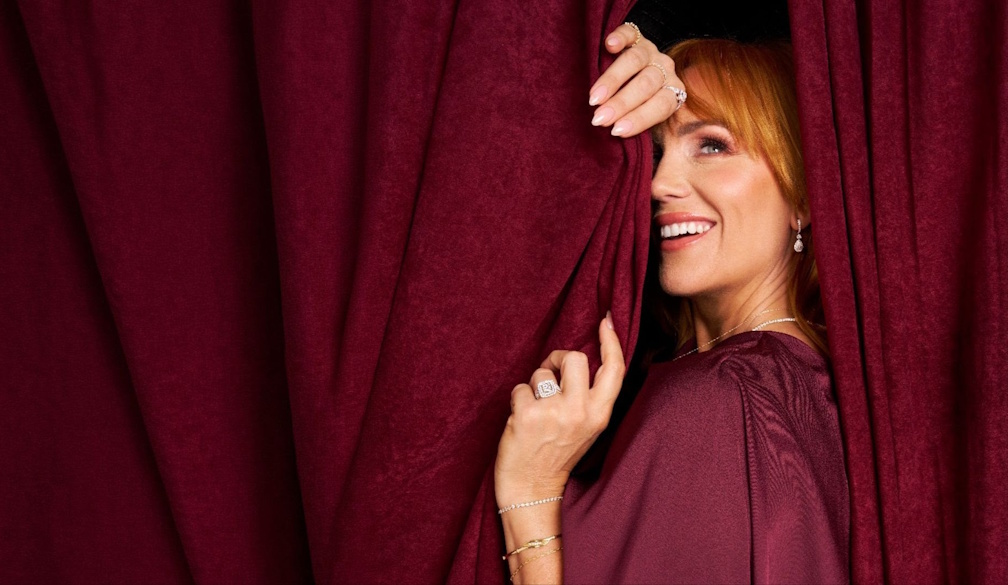
In this podcast, Michelle Grattan discusses the economic pathway ahead with two economists featured on the panel: Professor of Economics at the UNSW Business School Richard Holden, and Professor of Economics and Public Policy at the Australian National University Warwick McKibbin.
McKibbin argues for a major change to the national cabinet. “I think it would be very useful if the leader of the opposition was on that cabinet, and perhaps even a couple of the key ministerial portfolios from the opposition side, so that you truly have… both sides of the political spectrum represented.”
Making the body more inclusive, McKibbin says, would assist a bipartisan approach. “If you are going to go for the big bipartisan approach, which I think is fundamental to most of the problems we face, you have to do something like the national cabinet,” he said.
“It worked very effectively during the worst parts of the virus, it is breaking down now it appears, because Australians seem to think things are okay now. But I think you’ll see it re-emerge very shortly.”
Richard Holden warns an increase in taxation should not be contemplated to pay for some of the large spend the COVID crisis is requiring.
“I don’t think there will be an increase in taxation under this government, and I definitely don’t think there should be under any government,” he says.
“The coalition has made the debt and deficits mantra part of their political brand, and I understand that from a political perspective. And there’s nothing wrong with aspiring to balancing the budget over the economic cycle.”
“But when you’re in one of the largest economic crises in a hundred years, it is not the time to be penny-pinching and focusing on economic management credentials as measured by the budget bottom line in the short term.”






A List of Ways to Die[4], Lee Rosevere, from Free Music Archive.
References
- ^ billions of dollars in extra spending (theconversation.com)
- ^ 22-economist panel (theconversation.com)
- ^ No big bounce: 2020-21 economic survey points to a weak recovery getting weaker, amid declining living standards (theconversation.com)
- ^ A List of Ways to Die (freemusicarchive.org)
Authors: Michelle Grattan, Professorial Fellow, University of Canberra