Select the right toilet for you
- Written by: NewsServices.com
Thinking about replacing the toilets in your bathroom? The choices can be overwhelming. If you do not know the simple yet critical details about the toilet and its structure, you may end up making a wrong choice. Here we explain the basics about a toilet and offer you some quick tips on how to select the right toilet for you.
Structure of a toilet suite
A toilet typically has two parts, the cistern and the toilet pan. A cistern is where the water is stored. Triggered by the flush, the water comes out and goes into the pan to flush out the waste. The toilet pan is the part where you sit. These two parts often come separately and not as a set. So, make sure they are a good pair while buying your toilet suite.
Different types of toilet designs
You must make sure the design you choose suits your bathroom decor and fits the space. Depending on their design, toilets can be put into four broad categories.
The traditional and most common design is the connector toilet. Here the cistern and the toilet bowl are two separate pieces, and a pipe connects these two parts. These toilets are easy to install and come cheap. However, you need to clean them routinely, which is a little time-consuming.
The second and slightly more advanced design is the closed coupled toilet. Unlike Connector toilets, this design doesn’t have any gap between the cistern and the pan. The design looks more compact but still requires you to clean the back of the toilet seat.
The third type of design is called the Back-to-Wall toilet, where the toilet seat is set against the wall and attached to it, so there is no need to clean the back.
The fourth and most advanced design is Concealed Cistern, where the water tank is concealed behind a wall or cabinet. Concealed Cistern toilets can come in various designs. It comes with an access panel with flush buttons. These toilets are more expensive, but offer a smart look to your bathroom.
Set outs and water inlets
The look of your toilet depends on two more things: the position of the set outs and the water inlets. The set out is where the waste exits the toilet bowl. It can be of three types - S trap, P trap, and Skew trap. In the S trap, the pipe connects the sewer through the floor. In the P trap, the pipe goes through the wall and exists from the backside of the toilet. Skew traps, which are not so common in Australia, can exit either side of the toilet.
If you are only replacing the toilet, you will have to buy a toilet that fits the previous design. However, in the case of a bathroom makeover, you can change the style, but this may be costly.
A water inlet, the pipe that supplies water to the cistern, can come out either from the back of the cistern or from the bottom. Usually, all toilets fit both types but may require some adjustment. Toilets with bottom inlets are more compact and require less effort in cleaning.
Attaching bidets and getting smart toilets
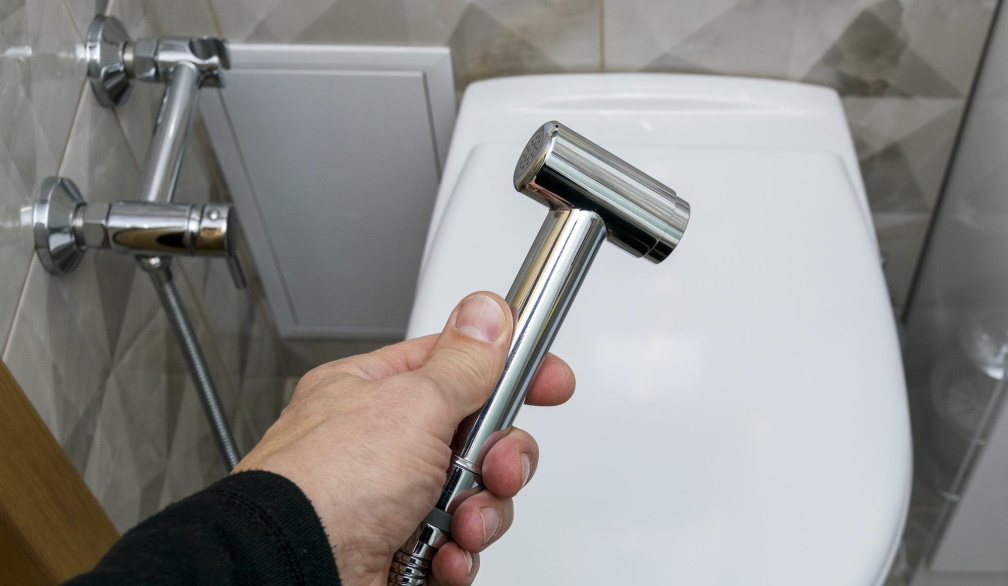
A simple bidet can be easily attached to your existing toilet. It requires you to split from your water inlet to supply water to the bidet. However, some models require a power supply and need you to replace the toilet bowl.
Smart toilets come with a range of features like water coming straight from the inlet valve, controlled water temperature and pressure, and seat warming. The operations are usually pretty intuitive but may require some plumbing expertise to install.
Remember to take those measurements
You have ample choice when it comes to toilets and their styles, but remember to take the measurements before you buy a toilet.
Three primary measurements will guide your choice. If it's an S-trap toilet, you need to know the distance between the wall and the centre of the waste outlet. In the case of P-traps, measure the gap between the outlet and floor. Also, measure the projection of the toilet so that it fits the space you have in your bathroom. The height of the toilet can also be critical, especially for people who are taller than average or have mobility challenges.
Make your choice wisely, and take expert advice to avoid complications.