5 Ways to Improve Air Quality in the Home
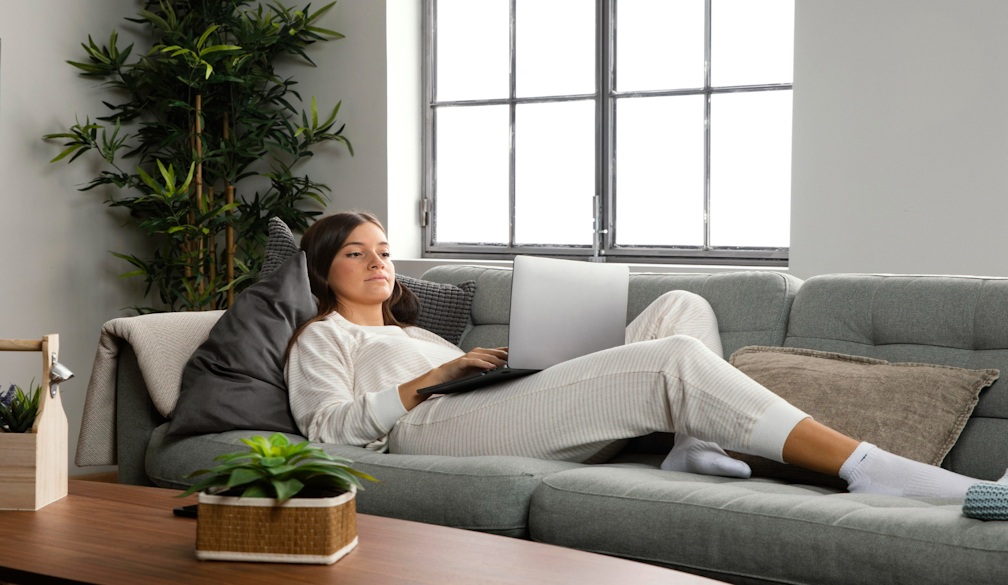
Indoor air quality is an essential aspect of maintaining a healthy and comfortable living environment, but it’s often overlooked by homeowners, leading to poor air quality that contributes to allergies, respiratory issues and even long-term health problems. One effective method to improve the air quality in your home is by installing ducted split systems in Melbourne. However, there are several other ways to enhance the air quality in your home. This article will discuss five simple yet effective strategies to improve your indoor air quality.
Regular Cleaning & Vacuuming
Dust, dirt and allergens naturally accumulate on surfaces and in carpets, contributing to poor indoor air quality. Regular cleaning and vacuuming can help remove these pollutants, reducing the risk of allergies and respiratory issues. Focus on areas that are prone to dust accumulation, such as shelves, blinds and vents. Using a vacuum cleaner with a HEPA filter can help capture smaller particles that contribute to poor air quality.
Install Ducted Split Systems in Melbourne
Ducted split systems in Melbourne are an efficient way to improve indoor air quality. These systems help to regulate the temperature and humidity levels in your home, creating a comfortable living environment. They also filter out pollutants and allergens, ensuring that the air you breathe is clean and fresh. By maintaining optimal temperature and humidity levels, ducted split systems can prevent the growth of mould and mildew, helping to reduce allergies and other health issues.
Proper Ventilation
Proper ventilation is crucial for maintaining good indoor air quality. Ensure that your home has adequate ventilation by opening windows and doors to let fresh air in, especially during activities that generate indoor air pollutants, such as cooking or cleaning. Additionally, consider installing exhaust fans in bathrooms and kitchens to remove humidity, odours and pollutants. Proper ventilation helps dilute indoor air pollutants, promoting better air circulation.
Use Air Purifiers
Air purifiers can be an effective addition to your home to improve air quality. These devices work by filtering out pollutants, allergens and irritants from the air. Opt for air purifiers with HEPA filters, as they can capture particles as small as 0.3 microns, including pollen, mould spores and pet dander. Place air purifiers in rooms where you spend the most time, such as bedrooms and living areas, for maximum effectiveness.
Limit the Use of Chemicals
Many household products, such as cleaning agents, paints and air fresheners, contain chemicals that can negatively impact indoor air quality. To reduce your exposure to these chemicals, opt for natural cleaning products or make your own using ingredients like vinegar and baking soda. When using chemical products, ensure proper ventilation to minimise the concentration of pollutants in the air.
Final Thoughts
Improving indoor air quality is essential for maintaining a healthy and comfortable living environment. By following these five simple strategies, from regular cleaning and vacuuming to installing ducted split systems in Melbourne, you can significantly enhance the air quality in your home and promote better health and wellbeing for you and your family.