8 Things Every Cancer Patient Must Know About Chemotherapy
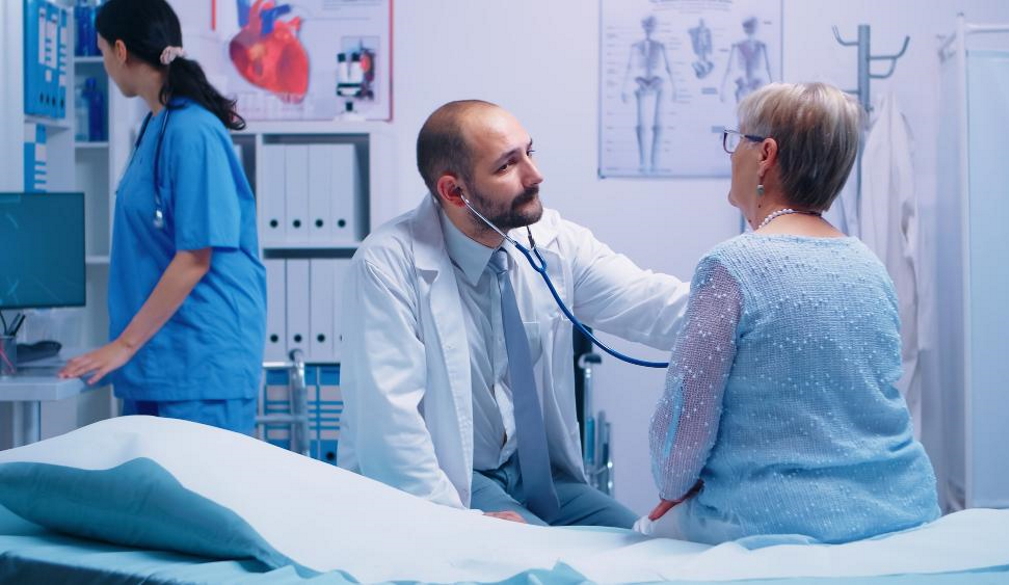
Most humans are aware of almost all of the life-threatening diseases that are present in our lives and among these deadly diseases one of the most dangerous and hard to overcome is cancer. One of the few common things present in treating this disease is Insulin Potentiation Therapy. This is a technique that basically makes a dangerous environment for cancer cells to live in. To protect the immune system and organs, this form of low-dosage chemotherapy is used. Chemotherapy is combined with other medicinal substances that are used for reducing blood sugar levels and this rather safe and light on the body technique is called Insulin Potentiation Therapy (IPT).
-
Cancer Is Different for Every Patient
Each type of cancer is treated differently but they all have chemotherapy in common. Although your family history can be a basis, geneType risk assessments revealed that it could be different for other members. The amount of chemotherapy given to each cancer patient also depends on the cancer stage they are on. The classical method of chemotherapy that has always been used is known for weakening the body.
-
Cancer Has More Than One Type
There are different types of chemotherapy. The most typical type of chemo is done through an IV, in the hospital, called infusion chemo. For some patients, who have cancer spread in more than one area of their body, the chemo they receive is different from the one given in the hospital through infusion. They take pills that are milder and they don’t visit the hospital as regularly but, pain is a way of life.
-
The Reactions Caused On Each Individual Can Vary
Another thing you should know about chemo is that not all chemo drugs cause hair loss. This happens through infusion chemo, in the hospital. You go there for a few hours of treatment and the side effects of chemo can last for days. The side effects totally depend on the type and combination of drugs you get. There are many types of side effects which can include hair loss, nausea, vomiting, diarrhea, aches, and pains. You can have a sore mouth and a loss of appetite, taste, smell, or maybe all three of them together.
-
Chemotherapy Is Different for All Patients
The journey of chemotherapy is different for everyone. What you hear about other people's experiences regarding chemo may not apply to you. It is always better to be meticulous about your health and ask your doctor about the information that is pertinent to the condition you are in.
-
Your Treatment Depends On Your Cancer Type
What type of chemotherapy you will get, where you will get the treatment and how often you get it depends on a number of things. It depends on the type of cancer you have and the level of advancement it is on. It also depends on whether you’ve had chemo before. Other health problems also contribute a lot like diabetes or heart disease.
-
Get Some Rest and Don’t Stress Out
Cancer patients undergoing chemotherapy experience fatigue as one of the most common problems that come along with chemo. Getting plenty of rest is very important and don’t push yourself too hard. Practice patience with yourself and others because it definitely takes time to get back to your normal energy levels.
-
Hydration Is Important
After undergoing chemo treatment, vomiting and diarrhea are very common which makes you dehydrated. This is why in order to not have low energy or have other health issues, it is important to drink plenty of water during your treatment.
-
Avoid Becoming Malnourished
Nausea and appetite loss are very common in chemotherapy which is why it is necessary to eat so you don’t get malnourished. Eating will help you retain your energy. Also, many foods may taste different as you go through chemo. For some patients, their food may have a metallic aftertaste when they are under treatment.
Conclusion
Cancer is a serious disease and it is best to get it treated on time. For this, you can consult VeritaLife because they offer many possibilities that cater to the needs of all kinds of oncology treatments and bridges the gap between conventional and alternative cancer treatments.