Hongkongers predict over 20 years of poor health in retirement highlighting need to plan for the future – Manulife Asia Care Survey
- Residents expect to retire at 63 and chronic or other health issues to set in at 64
- With the average life expectancy at 85, they possibly face over 20 years in retirement with poor health
- Hongkongers recognize importance of health planning but savings timeline is unrealistic
HONG KONG SAR - Media OutReach - 29 March 2023 - Hongkongers live longer than most people in the world, but they expect their later years to be dogged by poor health, a period many think will start when they enter their early-to-mid sixties. These findings show there is a compelling need for people in Hong Kong to have a savings plan in place to help with the medical costs in later life.
According to Manulife Asia Care Survey 2023, which was conducted across seven markets in Asia, Hong Kong residents expect to retire at 63 and for poor health to set in at 64. With the average life expectancy in the city at 85, many people face the prospect of over 20 years in retirement with poor health. The pessimism is strongest among 25- to 34-year-olds who expect poor health to start at 57 before retiring at 60. This pessimism, however, fades with age, with the 45-plus age group more upbeat, expecting to retire at 64 and stay healthy until they are 69.
In terms of physical and mental health, just one-in-ten Hongkongers describe their physical (10%) and mental (11%) health to be excellent, less than half the regional average for each (respectively 21% and 24%). Interestingly, it is the 25-34 age group that drags Hong Kong's overall percentages down with 7% and 8% for physical and mental health respectively.
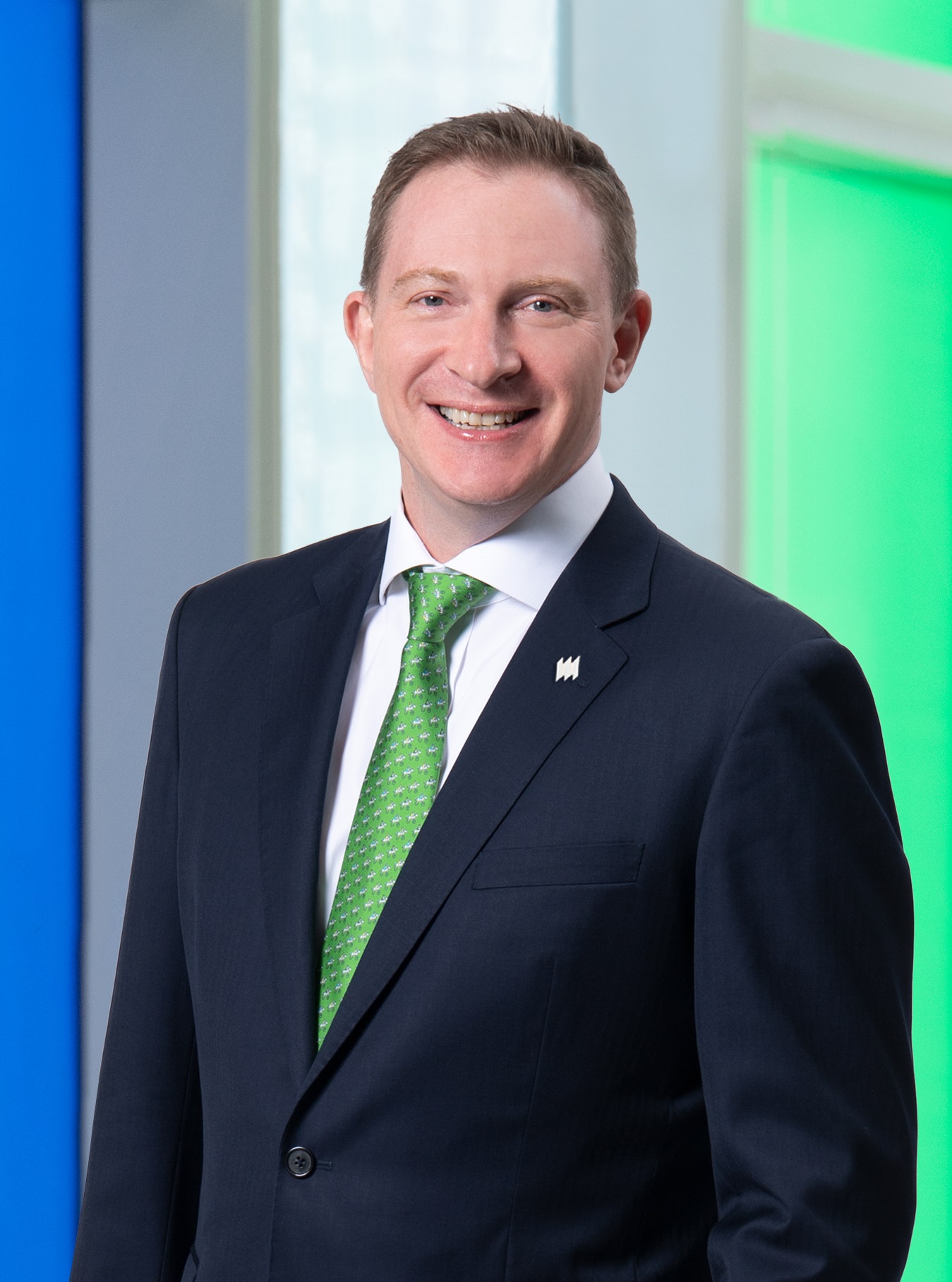
"Hong Kong people enjoy a long-life expectancy but early onset of poor health might affect their quality of life in retirement," said Patrick Graham, Chief Executive Officer, Manulife Hong Kong and Macau. "They will need to find a way to tackle their health issues to stretch out their retirement. Putting a plan in place can open the door to a happier retirement with peace of mind, while offering more freedom and flexibility in choosing quality healthcare."
The Manulife Asia Care Survey takes a deep dive into local economies across the region to explore in detail the health and wealth trends and sentiment, along with insurance buying habits. This year, more than 7,000 people across Asia shared their health and financial thoughts and concerns in the post-Covid environment.
According to the survey, Hongkongers' main concern is the challenge of paying for medical treatment, which continues to rise, and finding ways to mitigate or delay its impact. Nearly half (47%) of Hong Kong respondents said they are concerned about the cost of treatment if diagnosed with a serious illness, while just over a third (36%) worry about loss of income or job if they become seriously ill. More than a quarter (29%) are not sure who will take care of them if they become ill.
Hongkongers recognize importance of health planning but savings timeline is unrealistic
In general, Hongkongers think rising healthcare costs (45%) and poorer health (40%) are barriers to achieving their financial goals, especially among those aged 45 or over. More than a third (37%) of those surveyed identified saving for healthcare or medical needs as one of their top three financial goals and are working towards it to support themselves in retirement.
Among these respondents, more than half (56%) said they use cash savings to achieve the financial goal of saving for healthcare or medical needs. However, insurance also plays a significant role, with a third saying they had health and critical illness insurance (33%), and a fifth utilizing savings and endowment insurance to cover healthcare costs. Beyond that, a quarter said they rely on their Mandatory Provident Fund (MPF) savings to support their medical needs.
On average, the Hong Kong respondents expect to achieve this financial goal within seven years. The younger segment and mid-income group are more optimistic – or aggressive – in their expectations, aiming to achieve their goals in six years.
Alongside financial planning, taking personal action to improve health and well-being is important to delay health issues in later life. The vast majority – more than 9-in-10 – said they are taking action to help address health issues, with more exercise (54%), better diet (47%), regular body check (40%) and closer self-monitoring of their health (35%) the main methods.
"The timeframe for meeting savings targets reflected in our survey may not be realistic, given a lengthy retirement and much of it possibly in poor health, especially with the over-reliance on cash. After all, cash is particularly exposed to inflation, which can erode its value very quickly," said Graham. "To avoid getting caught short, we would encourage people to talk to a financial planner on how best to plan for their future."
Hashtag: #Manulife
The issuer is solely responsible for the content of this announcement.
About Manulife Asia Care Survey
The Manulife Asia Care Survey was conducted via online self-completed questionnaires in seven markets: mainland China, Hong Kong, Indonesia, Malaysia, Philippines, Singapore, and Vietnam. A total of 7,224 people, aged 25 to 60 years old, were surveyed in late December 2022 and early January 2023. In Hong Kong, 1,035 people were surveyed. Each respondent either owns insurance or intends to buy insurance.
About Manulife Hong Kong
Manulife Hong Kong has been a trusted name for 126 years. Since our operations started in Hong Kong in 1897, we have grown to become one of the top-tier providers of financial services, offering a diverse range of protection and wealth products and services to over 2.4 million customers in Hong Kong and Macau. We are committed to helping make decisions easier and lives better for our customers.
Manulife Hong Kong, through Manulife International Holdings Limited, owns Manulife (International) Limited, Manulife Investment Management (Hong Kong) Limited and Manulife Provident Funds Trust Company Limited.
About Manulife
Manulife Financial Corporation is a leading international financial services provider, helping people make their decisions easier and lives better. With our global headquarters in Toronto, Canada, we provide financial advice and insurance, operating as Manulife across Canada, Asia, and Europe, and primarily as John Hancock in the United States. Through Manulife Investment Management, the global brand for our Global Wealth and Asset Management segment, we serve individuals, institutions, and retirement plan members worldwide. At the end of 2022, we had more than 40,000 employees, over 116,000 agents, and thousands of distribution partners, serving over 34 million customers. We trade as 'MFC' on the Toronto, New York, and the Philippine stock exchanges and under '945' in Hong Kong.
Not all offerings are available in all jurisdictions. For additional information, please visit manulife.com.