President Xi Jinping’s visit to Vietnam: Marking the 75th anniversary of diplomatic relations and boosting bilateral trade in agriculture, forestry and fisheries
HA NOI, VIETNAM - Media OutReach Newswire - 14 April 2025 - China is Vietnam's largest export market for agricultural, forestry and fishery products. This market will continue to allow more Vietnamese agricultural goods to be officially exported.
The state visit to Vietnam by Party General Secretary and President of China Xi Jinping is expected to enhance bilateral relations, particularly in agricultural trade.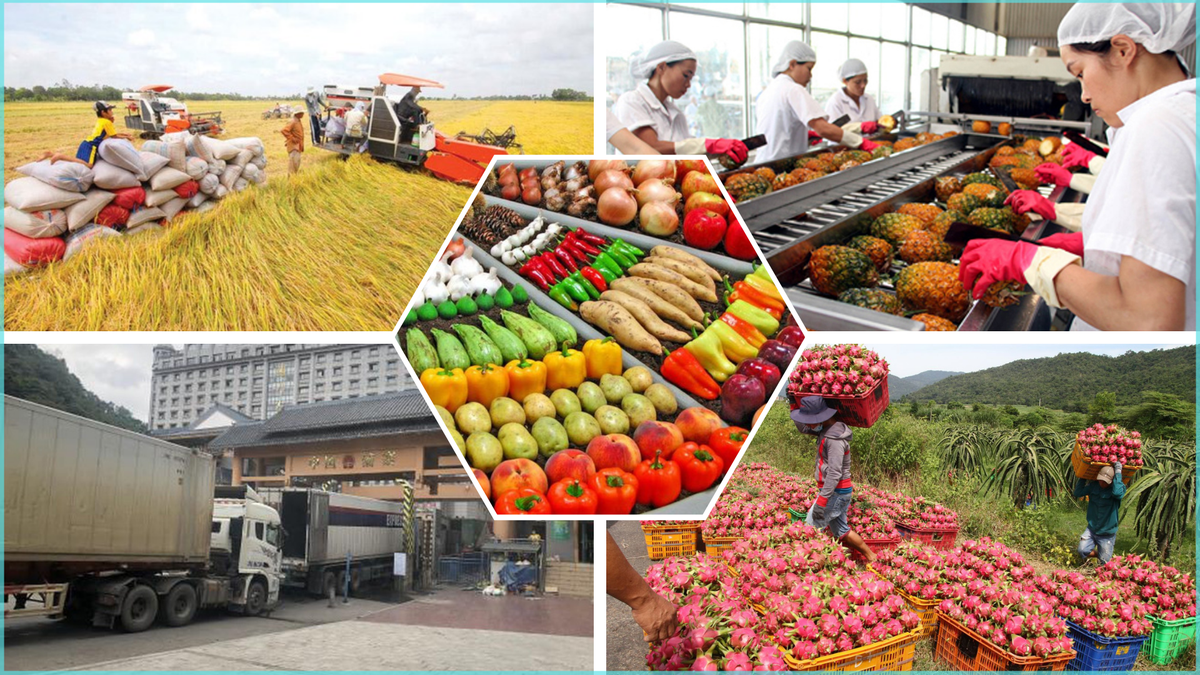
China shows strong demand for Vietnam’s high-quality agricultural products.
Nurturing the traditional friendship
General Secretary of the Communist Party of China Central Committee and President of China Xi Jinping is going to pay a state visit to Vietnam from April 14 to 15. The visit will be made at the invitation of General Secretary of the Communist Party of Vietnam Central Committee Tô Lâm and State President Lương Cường.
Vietnam and China are friendly neighbouring countries, and the peoples of both nations share a long-standing traditional relationship. In 2008, the two countries established a comprehensive strategic cooperative partnership. It aims to strengthen and deepen Vietnam-China relations in the interests of both peoples and for the sake of peace, stability and prosperity in the region. Bilateral economic, trade and investment cooperation has grown increasingly substantial.
In recent years, high-level delegations from the two Parties and States have frequently exchanged visits, elevating Vietnam-China comprehensive cooperation to a new height. Political trust has been strengthened, while economic, trade and investment cooperation maintain its growth momentum. Notably, the agricultural and rural development sector has consistently received close attention and guidance from the leaders of both Parties and States.
For 20 consecutive years, China has remained Vietnam's largest trading partner. Vietnam is currently China's largest trading partner in ASEAN.
China is also the largest export market for Vietnam's agricultural, forestry and fishery products. According to the General Department of Vietnam Customs, two-way trade reached US$205 billion in 2024. Of this, Vietnam's exports amounted to $60.6 billion, while imports rose significantly to $144.6 billion.
The enormous potential of the Chinese market is further reflected in its GDP, which is close to $20 trillion. With a population 14 times that of Vietnam and consistent GDP growth, Chinese consumers are increasingly receptive to Vietnam's unique agricultural products. China also shares similar cultural traditions and consumption habits with Vietnam. Both countries have maintained economic and trade ties for centuries. Economic and trade relations with China are one of the top priorities in Vietnam's foreign economic policy.
China shows strong demand for Vietnam's high-quality agricultural products
During the official overseas visit to China by Party General Secretary Tô Lâm in 2024, Chinese Party General Secretary and President Xi Jinping affirmed that China is ready to increase imports of high-quality goods from Vietnam, especially agricultural products. The strategic significance of building a 'Vietnam-China Community with a shared future' is also emphasised.
Meanwhile, at his official visit to Vietnam in 2024, Chinese Premier Li Qiang affỉmed that China considers Vietnam a priority direction in its neighbourhood diplomacy. China will further open the market to Vietnamese goods, particularly high-quality agricultural, fishery and fruit products.
He also highlighted plans to upgrade trade infrastructure, enhance 'soft connectivity' in smart customs systems and explore new models for cross-border economic cooperation.
With a population of over 1.4 billion and a rapidly growing middle class, China is a massive market for high-quality agricultural, forestry and fishery products. Yet Vietnamese agricultural products currently account for less than 5 per cent of China's total imports in this category. This presents a major opportunity for businesses to expand their market share in China.
In 2024, the bilateral trade turnover in agricultural, forestry and fishery products between Vietnam and China reached $17.8 billion, a 14.6 per cent increase compared to 2023. Of this, Vietnam's exports to China were estimated at $13.5 billion (up 14.3 per cent year-on-year), while imports were estimated at $4.3 billion (up 21 per cent). China currently accounts for nearly 54 per cent of the total value of Vietnam's fruit and vegetable exports. Of this, about 90 per cent of exported lychee volume, 80 per cent of dragon fruit and over 90 per cent of cassava and cassava-based products.
The two sides have signed 24 Memorandums of Understanding (MoUs) and Protocols on the import-export of agricultural, forestry and fishery products. The protocols signed have significantly facilitated Vietnam's fruit and vegetable exports to China. Currently, Vietnam is officially exporting 12 types of agricultural products to China. Six items for which two sides have signed official export protocols, including watermelons, mangosteens, black jellies, durians, fresh bananas and sweet potatoes.
Vietnam also exports dairy products, 128 species/product types of seafood products and 48 species of live aquatic animals. Passion fruit and chilli peppers are currently undergoing pilot export procedures.
Enhancing agricultural product quality to meet China's standards
Vietnam possesses significant agricultural potential, with a wide variety of speciality products highly favoured by Chinese consumers. Its geographic proximity to China gives Vietnam a logistical advantage over other countries. Fresh produce, including vegetables, fruits and seafood, can be transported to China in a short time, helping preserve their natural freshness and quality by the time they reach consumers.
To reaffirm the quality and reputation of Vietnamese agricultural products and expand access to the Chinese market, Vietnam is set to intensify efforts to monitor agricultural exports following China's import regulations. Key focus areas include regularly updating information on market demand and China's regulations regarding quality standards and food safety, and strictly managing and monitoring product quality and traceability.
Negotiations on official export will be promoted, ensuring that products meet standardised and synchronised requirements on quality, packaging, labelling, food safety, traceability and national branding (including logos and trademarks). Vietnam will standardise cross-border trade practices and maintain close coordination with China to address and resolve logistical bottlenecks.
Hashtag: #MARD
The issuer is solely responsible for the content of this announcement.