Is white rice bad for me? Can I make it lower GI or healthier?
- Written by: Emma Beckett, Adjunct Senior Lecturer, Nutrition, Dietetics & Food Innovation - School of Health Sciences, UNSW Sydney
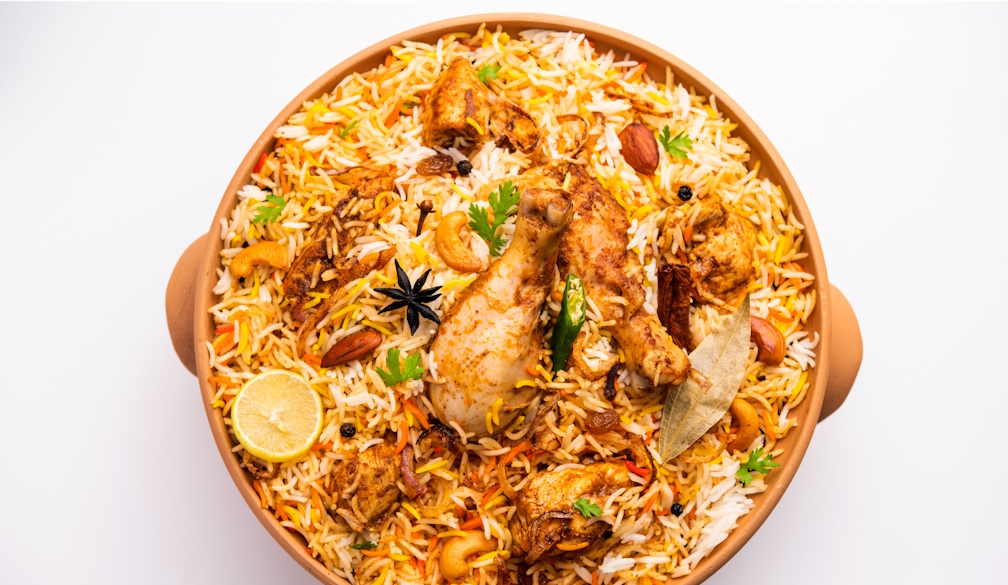
Rice is a culinary staple[1] in Australia and around the world.
It might seem like a given that brown rice is healthier than white and official public health resources[2] often recommend brown rice instead of white as a “healthy swap”.
But Australians definitely prefer white rice[3] over brown. So, what’s the difference, and what do we need to know when choosing rice?
What makes rice white or brown?
Rice “grains” are technically seeds. A complete, whole rice seed is called a “paddy”, which has multiple parts[4]:
- the “hull” is the hard outer layer which protects the seed
- the “bran”, which is a softer protective layer containing the seed coat
- the “germ” or the embryo, which is the part of the seed that would develop into a new plant if was germinated
- the “endosperm”, which makes up most of the seed and is essentially the store of nutrients that feeds the developing plant as a seed grows into a plant.
Rice needs to be processed[5] for humans to eat it.
Along with cleaning and drying, the hard hulls are removed since we can’t digest them. This is how brown rice is made[6], with the other three parts of the rice remaining intact. This means brown rice is regarded as a “wholegrain”.
White rice, however, is a “refined” grain, as it is further polished[7] to remove the bran and germ, leaving just the endosperm. This is a mechanical and not a chemical process.
What’s the difference, nutritionally?
Keeping the bran and the germ means brown rice has more[8] magnesium, phosphorus, potassium B vitamins (niacin, folate, riboflavin and pyridoxine), iron, zinc and fibre.
The germ and the bran also contain more bioactives (compounds in foods that aren’t essential nutrients but have health benefits), like oryzanols and phenolic compounds[9] which have antioxidant effects.
But that doesn’t mean white rice is just empty calories. It still contains[11] vitamins, minerals and some fibre, and is low in fat and salt, and is naturally gluten-free.
White and brown rice actually have similar[12] amounts of calories (or kilojoules) and total carbohydrates.
There are studies that show eating more white rice is linked to a higher risk[13] of type 2 diabetes. But it is difficult to know if this is down to the rice itself, or other related factors such as socioeconomic variables or other dietary patterns.
What about the glycaemic index?
The higher fibre means brown rice has a lower glycaemic index[14] (GI), meaning it raises blood sugar levels more slowly. But this is highly variable between different rices within the white and brown categories.
The GI system[15] uses low (less than 55), medium (55–70) and high (above 70) categories. Brown rices[16] fall into the low and medium categories. White rices[17] fall in the medium and high.
There are specific low-GI types available[18] for both white and brown types. You can also lower the GI of rice by heating and then cooling it[19]. This process converts some of the “available carbohydrates” into “resistant starch”, which then functions like dietary fibre.
Are there any benefits to white rice?
The taste and textural qualities[20] of white and brown rices differ. White rice tends to have a softer texture and more mild or neutral flavour. Brown rice has a chewier texture and nuttier flavour.
So, while you can technically substitute brown rice into most recipes, the experience will be different. Or other ingredients may need to be added or changed to create the desired texture.
Removing more of the outer layers may also reduce the levels of contaminants[21] such as pesticides.
We don’t just eat rice
Comparing white and brown rice seems like an easy way to boost nutritional value. But just because one food (brown rice) is more nutrient-dense doesn’t make the other food (white rice) “bad”.
Ultimately, it’s not often that we eat just rice, so we don’t need the rice we choose to be the perfect one. Rice is typically the staple base of a more complex dish. So, it’s probably more important to think about what we eat with rice.
Adding vegetables and lean proteins to rice-based dishes can easily add the micronutrients, bioactives and fibre that white rice is comparatively lacking, and this can likely do more to contribute to diet quality than eating brown rice instead.
References
- ^ culinary staple (www.ipni.net)
- ^ public health resources (www.eatforhealth.gov.au)
- ^ Australians definitely prefer white rice (pubmed.ncbi.nlm.nih.gov)
- ^ multiple parts (www.fao.org)
- ^ processed (www.tandfonline.com)
- ^ brown rice is made (ift.onlinelibrary.wiley.com)
- ^ further polished (ift.onlinelibrary.wiley.com)
- ^ brown rice has more (onlinelibrary.wiley.com)
- ^ oryzanols and phenolic compounds (www.mdpi.com)
- ^ Sung Min/Shutterstock (www.shutterstock.com)
- ^ still contains (www.glnc.org.au)
- ^ similar (ift.onlinelibrary.wiley.com)
- ^ a higher risk (diabetesjournals.org)
- ^ lower glycaemic index (www.sciencedirect.com)
- ^ GI system (www.betterhealth.vic.gov.au)
- ^ Brown rices (glycemicindex.com)
- ^ White rices (glycemicindex.com)
- ^ low-GI types available (www.gisymbol.com)
- ^ heating and then cooling it (pubs.acs.org)
- ^ taste and textural qualities (www.realsimple.com)
- ^ contaminants (www.ncbi.nlm.nih.gov)
- ^ Chay_Tee/Shutterstock (www.shutterstock.com)
Read more https://theconversation.com/is-white-rice-bad-for-me-can-i-make-it-lower-gi-or-healthier-236767