Chalmers says the budget’s better than it was; Taylor says it’s much worse than it should be
- Written by: Michelle Grattan, Professorial Fellow, University of Canberra
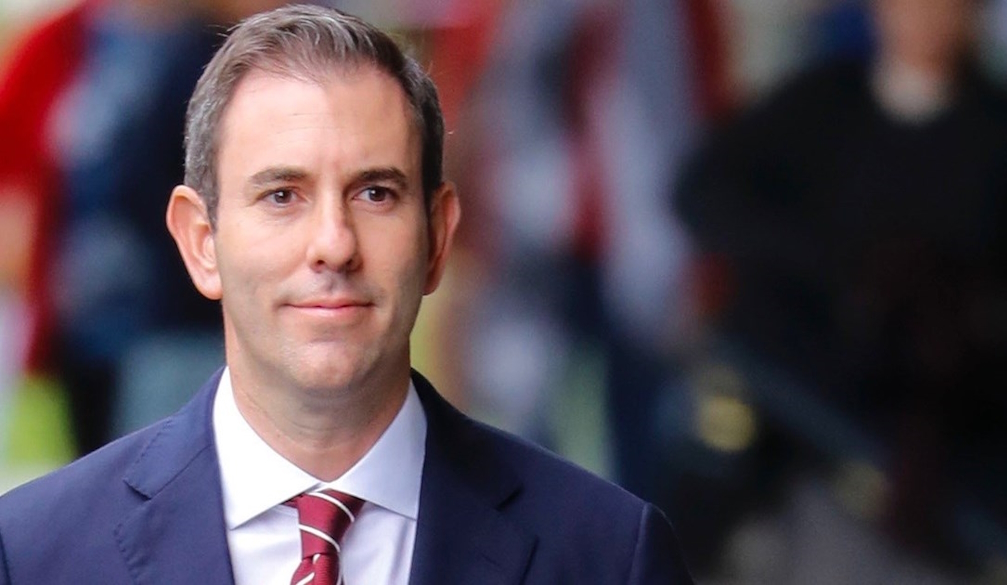
Appropriately, we finish our podcast for 2024 talking to Treasurer Jim Chalmers and his shadow, Angus Taylor because, as the saying goes, “it’s the economy, stupid!”
This week’s mid-year budget update showed Australia’s economy in poor shape and the buget’s trajectory mired in a decade of red.
Chalmers acknowledges the problems, but looks for positives:
yes there are pressures on the budget. Yes, some of those pressures are intensifying. But don’t forget, the budget is $200 billion stronger because of our efforts. That means we avoid $177 billion in the debt that we inherited, and that saves us $70 billion in interest costs. And so I understand that people are focused on the fact that the budget position remains difficult, but it is much, much stronger than it was two and a half years ago.
Looking to the next election, Chalmers outlines his ambitions for a second Labor term, if the government is re-elected:
well, the energy transformation, for me, is the most important thing. If you think about the earlier reform periods in our economy and in our politics, I think the thing that comes closest to the magnitude and the importance of those earlier waves of reform is the energy transformation. I genuinely feel that people in the future will look back on the 2020s and they’ll judge us on whether we succeeded or failed to get this energy transformation right. And obviously, that’s a big political contest now because of this nuclear insanity from the opposition.
I’m very interested in the intersection of technology and human capital and the way our industrial base is changing. So that’s a big part of the story. And then thirdly, where competition policy and productivity policy intersect, trying to make our economy more productive, more competitive and more dynamic. Those are the three things. In addition to all the things you’d expect me to say ongoing budget repair, cost-of-living relief, getting on top of inflation.
For Taylor, the economic challenge is getting the supply side right:
we needed a plan from this government to restore Australians’ prosperity, to restore their standard of living. We’ve seen a reduction of well over 8% in their standard of living since Labor came to power. And in fact, if anything, there’s a downgrade in Australians’ standard of living in this statement.
At the heart of this statement is a big spending, big taxing, high immigration Labor government. $233 billion of red ink over the forwards and deficits as far as the eye can see to the end of the decade.
What Labor is seeking to do is make government the centre of the economy. What we need is a private sector that’s mobilised, that’s investing, that’s employing, that’s taking risks and not being crowded out by the public sector. If you want to see sustainable lower inflation and lower interest rates, we know from history the answer isn’t a cash splurge. The answer is getting the supply side of the economy right and encouraging the private sector to get out there and invest.
Asked whether, as has been suggested, the Coalition had walked back its migration target, Taylor says:
the answer is there’s been no change. It’s as simple as that.
But I tell you what has changed. The baseline we’re dealing with on migration has changed quite dramatically. Labor has consistently failed to meet its targets. Its migration targets have increased by over 700,000 over the forwards since Labor came to power. Every time they put an update out, we see an increase in the numbers. The increase in MYEFO was another 80,000 over the forwards, much of which is in the short term in the next year or two. Labor has lost control of immigration.
That means that to get to our targets, which we’ve been very clear about, 160,000 in the NOM [net overseas migration] in the short term, bringing down permanent immigration by 25%, it means that the starting point is higher.