40% of children leaving primary school do not achieve National Benchmarks for swimming
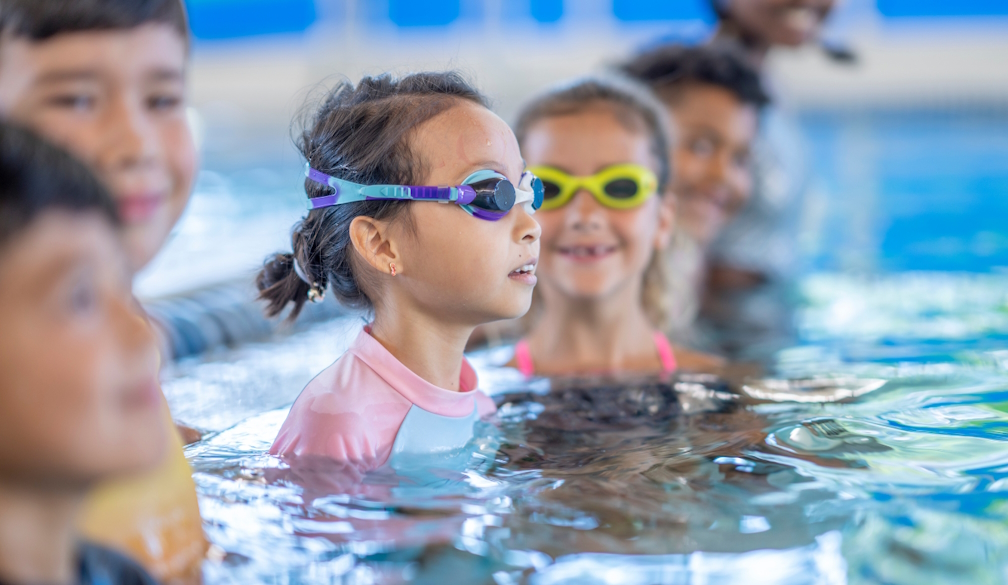
Royal Life Saving CEO Justin Scarr says many children are now missing out on lessons, receiving too few lessons or dropping out of swim programs altogether.
Royal Life Saving says it is deeply concerned that more than 40% of all children now leaving primary school have not achieved the National Benchmarks for swimming and water safety education for 12-year-olds.
Royal Life Saving Chief Executive Officer, Justin Scarr says the increased drowning rate in teenagers is a very worrying trend, clearly linked to gaps in education. He says many children are now missing out on lessons, receiving too few lessons or dropping out of swim programs altogether – particularly between the ages of 8 and 10.
Justin Scarr says for too many years, too many children have not been able to swim 50 metres and float for more than 2 minutes. He says this is now having far reaching consequences.
Justin Scarr says the latest Royal Life Saving Australia National Drowning Report reveals the risk of drowning increases tenfold for youth and young adults aged 10 to 20 because of a clear decline in swimming, water safety, and lifesaving skills and an increase in risk-taking activities in this age group.
Justin Scarr said, "Our new research shows the effects of insufficient swimming and water safety skills can be undoubtedly severe, ranging from an increased risk of drowning to a lack of confidence when participating in water-based activities, particularly as children move into their teenage years and early adulthood.”
"Many young adults are quite simply being left unprepared for the dangers they may encounter in and around the water as they grow older. Without immediate action to address this skills gap, more lives could certainly be at risk.”
"Parents and carers play a critical role in their children's swimming and water safety education, and we strongly recommend they enrol them in lessons or a program such as Swim and Survive, that adheres to the National Swimming and Water Safety Framework and assesses progress against the National Benchmarks," said Mr Scarr.
The National Swimming and Water Safety Framework provides a nationally recognised, structured and consistent approach to swimming and water safety education, and by ages 6, 12 and 17, children should have the minimum swimming and water safety skills and knowledge set out in the Framework. While these are the basic skills children need, exceeding them can boost their confidence, competency and overall safety in the water.
For example, there are eight basic skills a child should have by the age of 17, which include being able to swim continually for 400 metres; float, scull or tread water for five minutes and signal for help; and rescue a person and apply emergency care.
Royal Life Saving Australia's Swim and Survive program has been a cornerstone of water safety education for over 40 years. Aligned with the National Swimming and Water Safety Framework, it equips children with essential swimming, survival and lifesaving skills. This fun and engaging program helps participants meet and exceed national benchmarks, ensuring they stay safe and confident around water.
There are more than 400 Swim and Survive program providers throughout Australia. For more information about the program, visit Swim and Survive. To find the nearest provider in your state or territory, use the online Swim and Survive Locator Map.
For more information about the National Swimming and Water Safety Framework and the National Benchmarks, please visit the Royal Life Saving Australia website.