Genome sequencing developed to trace COVID is now protecting babies in intensive care from infectious diseases
- Written by: Rhys Thomas White, Scientist, Genomics and Bioinformatics, ESR
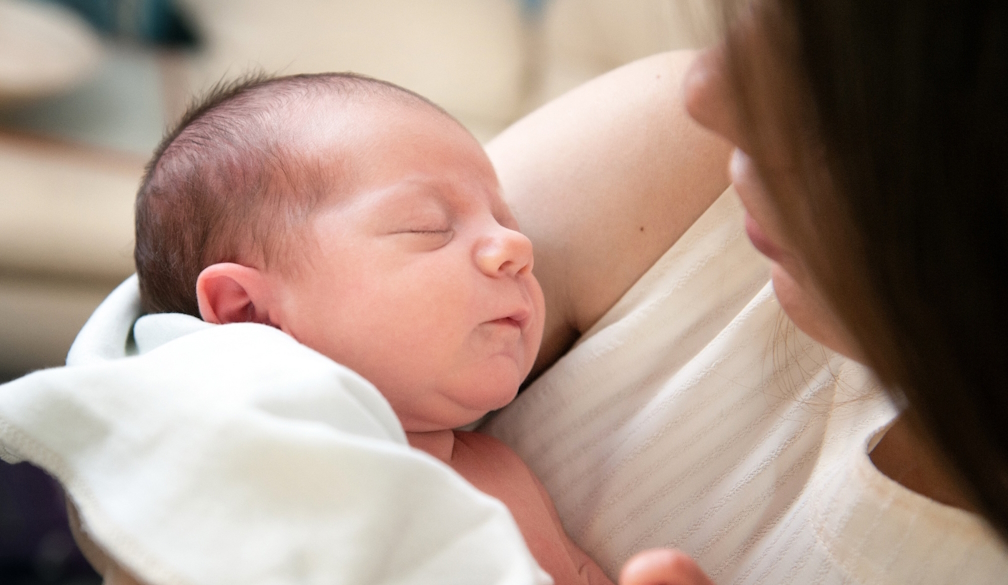
Anyone who has spent time inside a neonatal intensive care unit (NICU) knows it’s intense.
For the tiny babies cared for in these wards, any infection could prove fatal. Great care is taken to prevent the spread of pathogens, but outbreaks still occur.
Traditionally, detecting outbreaks within a NICU has been reactive – only after multiple babies fall ill at the same time.
Our research[1] is advancing the use of whole-genome sequencing technologies to detect outbreaks early and stamp out bacteria before they threaten more babies.
From reactive to proactive
NICU outbreak surveillance usually involves monitoring rates of illness and identifying spikes and long-term trends that may point to a pathogen circulating on the ward.
When a potential outbreak is identified, bacteria may be cultured and retrospectively sequenced to determine if they can be linked to a shared source or transmission on the ward.
Wellington Regional Hospital has changed its approach to infection surveillance in the NICU. Rather than waiting for infants to fall ill, they are using the same sequencing technology we developed at the Institute of Environmental Science and Research (ESR[2]) for genomic contact tracking during the COVID pandemic.
Infants in the unit have diagnostic swab samples taken as part of routine practice. If any key bacteria are cultured from these samples, they are sequenced promptly to identify possible transmission events in near real time. This allows us to monitor the situation closely and respond quickly to emerging outbreaks.
Because not all infants carrying a particular bacterial strain will experience a severe infection, this proactive approach can detect an outbreak before any babies fall ill.
And because whole-genome sequencing decodes the entire genetic makeup of bacteria, it also provides the NICU team with information on how pathogens are related to each other. This allows them to differentiate one-off cases imported to the unit from any circulating within it.
This level of detail allows for precise infection monitoring and fast, informed decisions on outbreak control.
A case study
This shift was recently tested when proactive genomic surveillance showed two infants in the NICU had eye infections[4] caused by the same organism, an uncommon strain of methicillin-resistant Staphylococcus aureus (MRSA[5]).
MRSA is notorious for its resistance to common antibiotics, making it particularly dangerous in hospitals.
The onsite sequencing showed the two cases were likely linked. The priorities were to establish whether other infants were affected and limit the pathogen’s spread as quickly as possible. Screening of infants in the NICU found six more carrying the same strain of MRSA (though none with serious illness).
This meant these infants could be isolated rapidly and the outbreak contained before any others developed a significant infection. ESR’s experience as genomic contact tracers helped establish how these infections spread in the unit.
An outbreak response takes up resources and involves multiple steps, from the initial confirmation of the infection and its transmission route to communication with parents.
This proactive approach to infection surveillance provides an early-warning system. It means the NICU team can be confident an outbreak is underway and act quickly to contain it.
MRSA in New Zealand
The power of genome sequencing extends beyond immediate outbreak control.
By comparing the genomic data generated in the lab to that collected in national surveillance projects, our team was able to show the strain that caused the eye infections may have emerged in the early 1990s.
This strain has slowly accumulated the genes required to evade first-choice antibiotics, underpinning the risk of antibiotic-resistant bacteria in Aotearoa New Zealand.
We also highlighted the power of genomics to reveal connections when we found the MRSA strain causing illness in the NICU was related to bacteria collected from cattle. This discovery[6] underscores the concept of “One Health” – the idea that human health, animal health and environmental health are inextricably linked.
The data suggest bacteria from a cow milk tank and from babies in a hospital may have shared a common ancestor at some point.
Future focus
As we continue to unravel the complex world of microbes, tools like whole-genome sequencing offer hope in the ongoing battle against infectious diseases. The work at Wellington Regional Hospital’s NICU is just the beginning.
From protecting our most vulnerable newborns to uncovering unlikely connections between farm animals and hospital patients, genomic technology is changing how we combat infectious diseases.
As this technology continues to evolve, it promises to play an increasingly crucial role in safeguarding public health, one DNA sequence at a time.
In the face of growing antibiotic resistance and emerging pathogens, this proactive, genomics-based approach to infection control may well be our best defence.
We would like to acknowledge the contributions by Max Bloomfield and the teams at Awanui Labs, and Emma Voss and team at Livestock Improvement Corporation.
References
- ^ Our research (doi.org)
- ^ ESR (www.esr.cri.nz)
- ^ Getty Images (www.gettyimages.com.au)
- ^ two infants in the NICU had eye infections (doi.org)
- ^ MRSA (www.mayoclinic.org)
- ^ discovery (doi.org)