The Times Australia
Google AI
The Times News

.

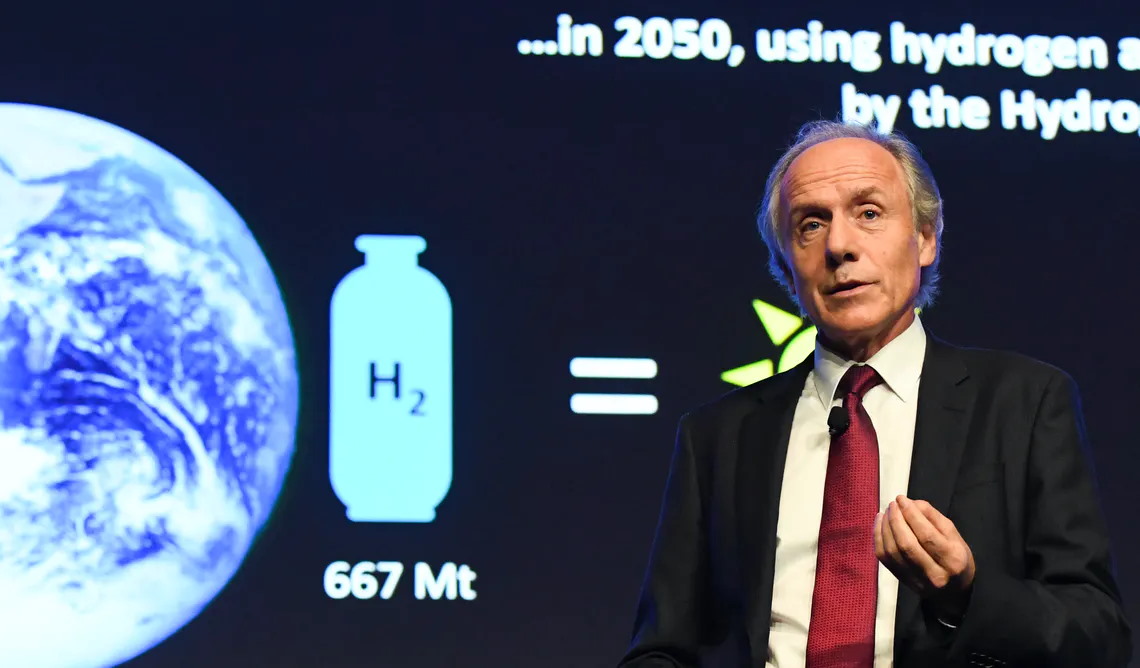
Chief Scientist Alan Finkel on climate, energy and emissions

  • Written by The Conversation

This month Alan Finkel ends his term as Australia’s Chief Scientist.

An entrepreneur, engineer, neuroscientist, and educator in his former life, Finkel describes the role he’s held since 2016 as consisting of two activities.

There’s “reviewing” – briefing government on all matters scientific, including energy and climate change. And then there’s “making things up” – developing programs to support the communication of science, technology, innovation, and research across the community.

Writing for The Conversation, Finkel expresses confidence Australia will achieve the “dramatic reduction in emissions” that is “necessary”.

However the road has not been easy, with many political setbacks.

“I was certainly somewhat personally disappointed, and disappointed for the country, that the Clean Energy Target wasn’t adopted,” Finkel tells the podcast.

“On the other hand, I took a lot of comfort from the fact that the other 49 out of 50 recommendations [in his report] were accepted and adopted and most of them have been implemented.”

“Those recommendations – a lot of them have been part of the reason that we’ve been able to introduce solar and wind electricity at extraordinary rates in the last three years.”

The debate currently is whether Australia will sign up for zero net emissions by 2050. While Finkel says “that’s a question for politicians, not for me”, he adds that “we’re taking the right measures already consistent with a drive towards zero or low emissions”.

These measures, he says, involve cheaper batteries, solar, wind, pumped hydro, and gas as a “backstop”, as we transition out of coal fire electricity.

Asked if a new coal-fired power station project could ever be started, Finkel said that to comply with carbon capture and storage, the cost of electricity from the plant would be “five or six times higher” than electricity produced by solar and wind.

“I would never predict anything…but I can say with some degree of confidence that that economics would be challenging”. His message was clear.


Listen on Apple Podcasts Chief Scientist Alan Finkel on climate, energy and emissions

Stitcher Listen on TuneIn

Listen on RadioPublic Chief Scientist Alan Finkel on climate, energy and emissions

A List of Ways to Die[1], Lee Rosevere, from Free Music Archive.

References

  1. ^ A List of Ways to Die (freemusicarchive.org)

Read more https://theconversation.com/politics-with-michelle-grattan-chief-scientist-alan-finkel-on-climate-energy-and-emissions-151770

Times Magazine

With Nvidia’s second-best AI chips headed for China, the US shifts priorities from security to trade

This week, US President Donald Trump approved previously banned exports[1] of Nvidia’s powerful ...

Navman MiVue™ True 4K PRO Surround honest review

If you drive a car, you should have a dashcam. Need convincing? All I ask that you do is search fo...

Australia’s supercomputers are falling behind – and it’s hurting our ability to adapt to climate change

As Earth continues to warm, Australia faces some important decisions. For example, where shou...

Australia’s electric vehicle surge — EVs and hybrids hit record levels

Australians are increasingly embracing electric and hybrid cars, with 2025 shaping up as the str...

Tim Ayres on the AI rollout’s looming ‘bumps and glitches’

The federal government released its National AI Strategy[1] this week, confirming it has dropped...

Seven in Ten Australian Workers Say Employers Are Failing to Prepare Them for AI Future

As artificial intelligence (AI) accelerates across industries, a growing number of Australian work...

The Times Features

Statement from Mayor of Randwick Dylan Parker on Bondi Beach Terror Attack

Our community is heartbroken by the heinous terrorist attack at neighbouring Bondi Beach last nigh...

Coping With Loneliness, Disconnect and Conflict Over the Christmas and Holiday Season

For many people, Christmas is a time of joy and family get-togethers, but for others, it’s a tim...

Surviving “the wet”: how local tourism and accommodation businesses can sustain cash flow in the off-season

Across northern Australia and many coastal regions, “the wet” is not just a weather pattern — it...

“Go west!” Is housing affordable for a single-income family — and where should they look?

For decades, “Go west!” has been shorthand advice for Australians priced out of Sydney and Melbo...

Housing in Canberra: is affordable housing now just a dream?

Canberra was once seen as an outlier in Australia’s housing story — a planned city with steady e...

What effect do residential short-term rentals have on lifestyle and the housing market in Brisbane?

Walk through inner-Brisbane suburbs like Fortitude Valley, New Farm, West End or Teneriffe and i...

The Sydney Harbour Bridge faces tolls once again — despite tolls being abolished years ago. Why?

For many Sydney motorists, the Harbour Bridge toll was meant to be history. The toll booths cam...

The Victorian Paradox: how Labor keeps winning elections even when it feels “unpopular”

If you spend any time in a Melbourne café, a tradie ute yard, a Facebook comments section, or th...

I’m heading overseas. Do I really need travel vaccines?

Australia is in its busiest month[1] for short-term overseas travel. And there are so many thi...