How to Arrange a Funeral: A Step-by-Step Guide for Peace of Mind
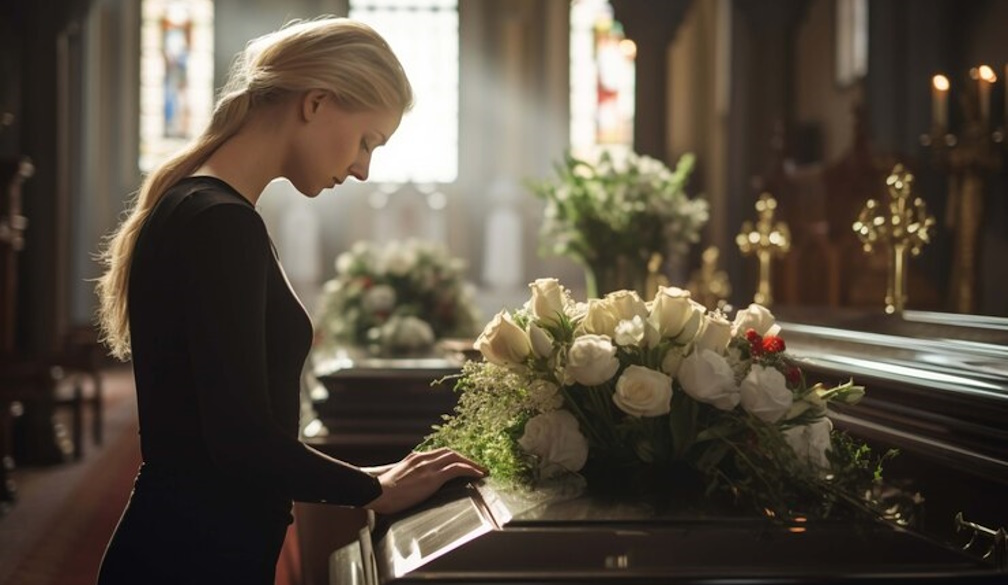
When faced with the loss of a loved one, arranging a funeral can feel overwhelming. There are many decisions to be made, and it can be challenging to know where to begin.
However, with the right guidance and planning, the process can be much more manageable, providing peace of mind during a difficult time.
Step 1: Notify the Relevant Parties
Once a death has occurred, one of the first steps is to inform the relevant people. This includes close family members, friends, and anyone else who should be aware of the passing. Additionally, you may need to notify authorities, especially if the death was unexpected. If the deceased passed away in a healthcare facility, the staff will typically handle the necessary notifications and paperwork.
Step 2: Choose a Funeral Home
Choosing a funeral home is one of the most important decisions when arranging a funeral. Funeral homes provide a wide range of services, from preparing the body to organising the funeral service and burial. The right funeral home will support you through every step, ensuring that your loved one’s wishes are respected and that the service runs smoothly.
If the deceased has already expressed their preferences for their funeral, share this information with the funeral director. It’s essential to communicate clearly so that the service reflects their wishes. Many funeral homes offer a pre plan funeral package that can guide you in making choices that align with your values and budget.
Step 3: Select the Type of Funeral
Funerals can take different forms depending on cultural traditions, religious beliefs, and personal preferences. You’ll need to decide whether the deceased will be buried or cremated. Each option comes with its own set of considerations, such as selecting a burial plot or arranging for a cremation ceremony. Here’s a brief overview of both options:
- Burial: If you choose burial, you’ll need to select a cemetery and a burial plot. You will also need to decide whether to have a traditional service with a wake, or if you prefer a simpler gathering with close family and friends.
- Cremation: If cremation is chosen, you will need to decide whether the ashes will be kept in an urn, scattered, or placed in a memorial space. Some families opt for memorial services that take place after the cremation.
Step 4: Make the Necessary Legal and Administrative Arrangements
There are several legal and administrative tasks involved in arranging a funeral. You will need to obtain a death certificate from the relevant authorities. This certificate is required for many aspects of the funeral, including handling the deceased’s estate and settling insurance claims.
If the deceased had life insurance, the funeral home may assist with filing the claim to help cover funeral expenses. It’s also essential to review any pre-existing funeral arrangements, including whether the deceased had a pre-plan funeral in place, which could make the process easier.
Step 5: Organise the Funeral Service Details
The funeral service itself is a crucial part of the process. It’s where family and friends gather to celebrate the life of the deceased and say their final goodbyes. There are a number of details to consider when organising the service:
- Location: You can choose to hold the service at a funeral home, a church, or another location of significance to the deceased, such as a park or family home.
- Officiant: Decide who will conduct the service. It could be a religious leader, a celebrant, or a close family member or friend.
- Eulogy and Tributes: If you plan on having a eulogy or other tributes, you’ll need to arrange for people to speak. It’s common for family members to share memories, readings, or stories that celebrate the life of the deceased.
- Music: Music plays an important role in many funerals. Choose meaningful songs or hymns that reflect the deceased’s preferences or the tone you want to set for the service.
The funeral director will guide you through these decisions, helping you to arrange the service and ensure that everything is in place.
Step 6: Choose Floral Arrangements and Other Personal Touches
Floral arrangements are often a significant part of funeral services, symbolising love, remembrance, and respect. You can work with a florist to select arrangements that reflect the deceased’s favourite flowers, colours, or style. Many funeral homes have partnerships with florists and can assist with this process.
In addition to flowers, consider adding personal touches that celebrate the deceased’s life. This could include photographs, artwork, or special items that reflect their interests and passions. Personalised details help make the service more meaningful and unique.
Step 7: Arrange for Transportation
You may need to arrange transportation for the funeral service. This could include transportation for the family and friends to the service, as well as for the deceased’s body if required. Many funeral homes provide hearse services and can arrange for cars for immediate family members.
If you want to ease the burden on your loved ones, consider pre-planning your funeral. Pre-planning ensures that your wishes are followed and gives your family the peace of mind knowing that the arrangements are already in place. By taking proactive steps today, you can ensure that your final farewell is as meaningful as the life you lived.