How to Build the Perfect Beach Capsule Wardrobe
- Written by: Times Media
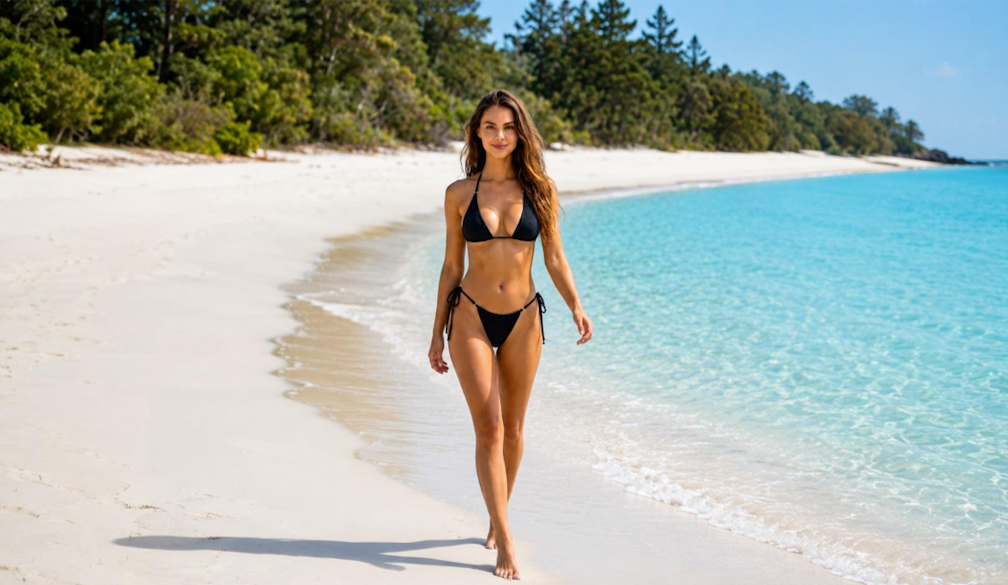
A suitcase filled with multiple swimsuits, outfits that only get worn once and accessories that never leave the hotel room is a familiar story for many travellers. Yet the most stylish beach wardrobes are often the simplest.
The idea of a capsule wardrobe has transformed everyday fashion over the past decade, encouraging people to buy fewer, higher-quality pieces that work together effortlessly. The same philosophy applies perfectly to beachwear.
Whether you're planning a long weekend on the Gold Coast, a tropical escape to Fiji or a European summer by the Mediterranean, a thoughtfully curated beach capsule wardrobe makes packing easier while ensuring every outfit feels polished and intentional.
Here are the essential pieces every Australian woman should consider.
Why Less Is Often More
Fashion has shifted away from overflowing wardrobes towards versatility.
Rather than packing ten different outfits, many women now focus on selecting a handful of pieces that can be mixed and matched throughout an entire holiday.
A carefully planned capsule wardrobe offers several advantages.
It reduces packing weight, saves time getting dressed, creates a more cohesive personal style and often results in buying better quality clothing rather than chasing fast-changing trends.
The goal isn't to own less for the sake of minimalism—it's to own pieces that genuinely work together.
Start With One Timeless Black Bikini
Every successful beach capsule begins with one dependable swimsuit.
While seasonal colours and prints are fun additions, a classic black bikini remains one of the most versatile items you can pack.
It pairs effortlessly with linen shirts, denim shorts, oversized hats and lightweight trousers. It works equally well beside the pool, on the beach or relaxing at a resort, and it never feels out of place regardless of current fashion trends.
Instead of purchasing multiple trend-driven designs every summer, many women choose one beautifully made black bikini as the foundation of their swimwear collection because it continues to look sophisticated year after year.
Build Around Neutral Colours
Once your core swimwear is chosen, the rest of the wardrobe becomes much easier.
Neutral colours such as white, beige, cream, black and soft earthy tones naturally complement one another. They also allow a single bikini to work with multiple outfits throughout a holiday.
Choosing neutral pieces doesn't mean your wardrobe becomes boring.
Simple jewellery, colourful sandals or a patterned beach bag can easily introduce personality without requiring an entirely new outfit each day.
The result is a wardrobe that feels relaxed, cohesive and effortlessly stylish.
Add a Lightweight Linen Shirt
Few pieces are as useful as an oversized linen shirt.
Thrown over swimwear for breakfast, worn open while walking along the beach or paired with shorts for lunch, it quickly becomes one of the hardest-working items in a holiday wardrobe.
Linen also remains comfortable during hot weather thanks to its breathability and relaxed appearance.
White remains the classic choice, although soft beige and pale blue work equally well.
Comfortable Shorts Are Essential
Whether you prefer tailored linen shorts or relaxed denim, one versatile pair can create countless outfits.
They're perfect for beach walks, exploring coastal towns, visiting local markets or grabbing coffee after a morning swim.
Choosing neutral colours makes coordinating outfits much easier and reduces the temptation to overpack.
Simple styling often creates the most elegant result.
Slides That Work Everywhere
Footwear is often where holiday packing becomes excessive.
In reality, one comfortable pair of quality slides can handle most situations throughout a beach holiday.
Modern leather slides transition effortlessly between the beach, cafés and casual evening dinners, allowing you to leave multiple pairs of shoes at home.
Comfort becomes especially valuable when exploring coastal destinations on foot.
Sunglasses That Suit Everything
Accessories complete a capsule wardrobe without taking up valuable luggage space.
One timeless pair of sunglasses works with every outfit while offering practical sun protection throughout the day.
Classic shapes generally remain stylish far longer than heavily trend-driven designs, making them a worthwhile long-term investment.
A Beach Bag You'll Use Every Day
Every capsule wardrobe needs one reliable beach bag.
Look for something spacious enough to carry sunscreen, a towel, water bottle and a change of clothes without feeling bulky.
Natural woven materials remain popular because they complement almost every summer outfit while adding a relaxed coastal feel.
Again, versatility should guide every purchase.
Choosing Quality Over Quantity
Perhaps the biggest lesson behind every successful capsule wardrobe is learning to prioritise quality.
Well-made clothing generally fits better, lasts longer and continues looking stylish for multiple seasons.
Instead of filling a wardrobe with dozens of inexpensive trend pieces, investing in fewer items often creates a more refined personal style while reducing unnecessary consumption.
The same principle applies particularly well to swimwear, where fit, comfort and fabric quality make a noticeable difference.
Confidence Is Always the Best Accessory
No wardrobe, regardless of how carefully planned, matters as much as confidence.
The most stylish women aren't necessarily wearing the latest trends.
They're wearing clothes that suit their personality, fit comfortably and allow them to enjoy every part of their holiday without constantly worrying about what they're wearing.
A thoughtfully curated beach capsule wardrobe removes much of the stress from packing, leaving more time to enjoy the experiences that matter.
Final Thoughts
Building the perfect beach capsule wardrobe doesn't require dozens of outfits or constant shopping.
Instead, focus on versatile pieces that complement one another, prioritise quality over quantity and choose timeless styles you'll continue reaching for every summer.
A dependable black bikini, lightweight linen shirt, comfortable shorts, versatile slides and a handful of carefully selected accessories provide everything needed for countless beach days, coastal lunches and relaxed evenings away.
The result is a wardrobe that's simple, practical and effortlessly stylish—proof that sometimes less really is more.
Zara Dekota Fashion & Lifestyle Contributor
About the Author
Zara is a fashion and lifestyle writer with a passion for timeless style, Australian beach culture and helping women build versatile wardrobes that combine confidence, comfort and effortless elegance.